test
asdasd
Dive into how Star Trek: Strange New Worlds' haunted house episode parallels the franchise's first horror moment, exploring themes of fear and the unknown.
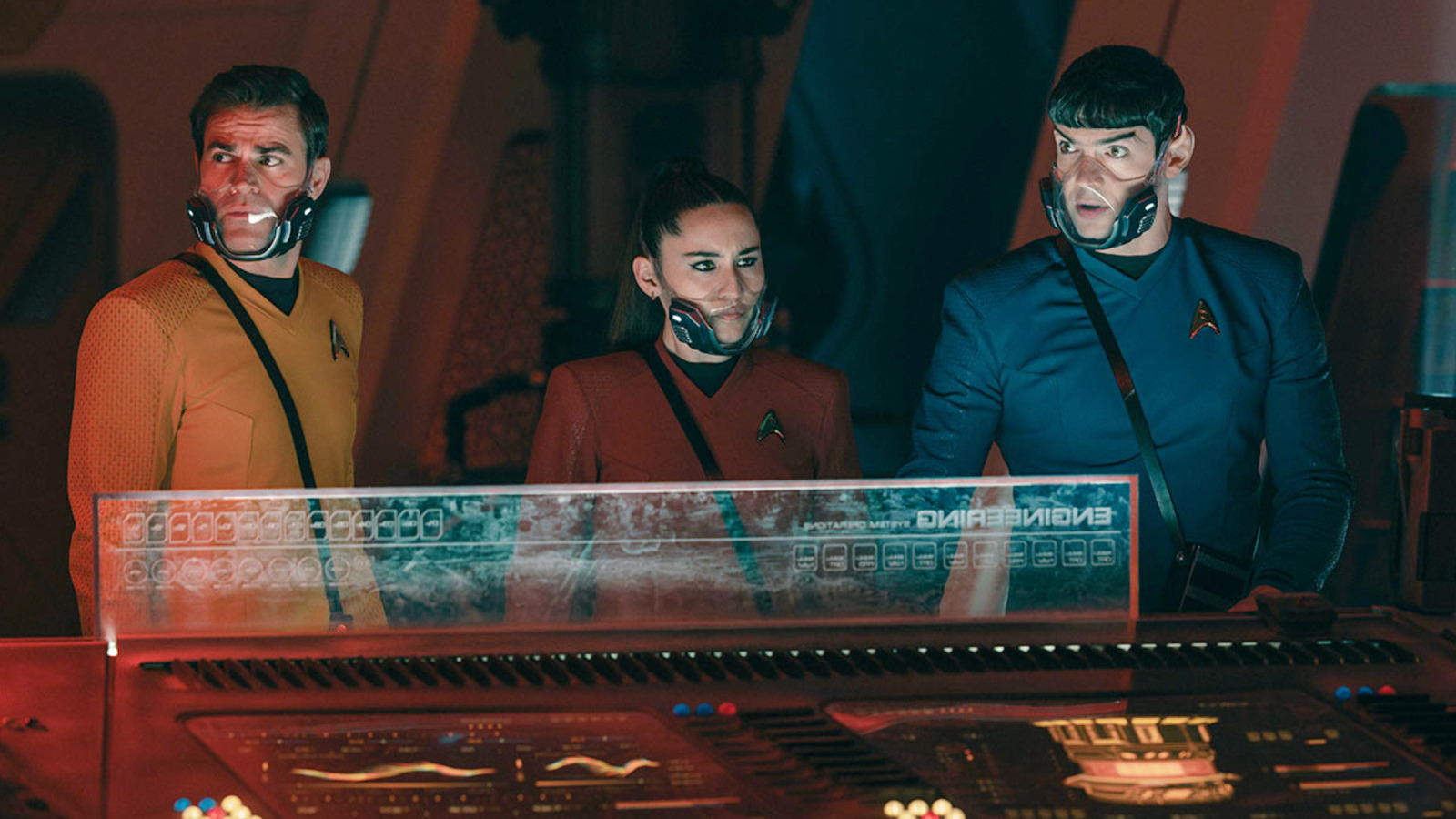
In simple terms, the latest episode of Star Trek: Strange New Worlds, titled "The Griffin Incident," delves into horror territory, evoking the franchise's early encounters with fear. The story parallels the ominous atmosphere established in the original series' episode "Catspaw," showcasing a haunted house narrative that invites audiences to reflect on the complexities of fear in sci-fi.
Set against the backdrop of an abandoned Starfleet ship, the USS Griffin, the episode follows characters Jim Kirk, Spock, and La'an as they stumble upon a mysterious and deserted vessel. Quickly, the narrative transforms into a typical haunted house scenario, resembling a horror movie with ghostly apparitions and characters grappling with their own sanity. Unlike many Star Trek episodes which typically search for rational explanations, this episode leaves viewers unsettled without definitive answers—keeping the ghostly fate of the Griffin’s crew ambiguous and enhancing the eerie atmosphere.
Fans of the franchise familiar with Star Trek's history might recall 'Catspaw,' the series' first foray into gothic horror, scripted by renowned horror author Robert Bloch. Originally airing in 1967, it featured elements like apparitions, witches, and dark castles which contrasted with the typical sci-fi themes of logic and rationality. The Griffin Incident invokes a similar aesthetic, but with modern storytelling techniques and effects, elevating the horror experience. Both episodes maintain a tension filled with the eerie uncertainty of the supernatural, appealing to audiences seeking thrills.
Star Trek has always leaned heavily on scientific explanations for its fantastical elements. However, "The Griffin Incident" chooses to step away from this tradition, inviting viewers into a world with no scientific basis for the haunting. Where Catspaw ultimately revealed that the eerie occurrences were engineered by advanced aliens, this latest episode leaves motivations and origins shrouded in mystery, allowing for a scarier, more open-ended experience.
Strange New Worlds has embraced horror more effectively than previous entries in the Star Trek canon. While episodes like "Through the Lens of Time" showcased Lovecraftian influences, The Griffin Incident introduces an atmosphere of genuine dread, culminating in a spine-tingling climax that resonates with the hallmarks of modern horror. The episode's ending, with La'an experiencing a chilling moment at the hull window, leaves a lasting impression that horror has merely been postponed, reinforcing the series’ engagement with fear on a deeper level.
What remains compelling about the horror found in episodes like Catspaw and The Griffin Incident is their place within the broader context of Star Trek's legacy. While Strange New Worlds showcases advanced production values and storytelling techniques that heighten the suspense and fear, it also pays homage to the foundational episodes that first explored these themes. Within Trek’s universe, the exploration of fear serves as a contrast to its optimistic portrayal of humanity's future, reminding viewers of the unseen terrors lurking beyond the stars.
As Strange New Worlds continues to tread into darker themes, it prompts an intriguing conversation about what constitutes effective horror within science fiction. The ambiguities left unresolved in "The Griffin Incident," alongside the franchise's rich history of fear, provide fertile ground for exploring humanity’s confrontation with the unknown. Whether the series will revisit the haunting themes introduced in this episode remains to be seen, but one thing is certain: the blend of sci-fi and horror in Star Trek continues to evolve, captivating long-time fans while inviting newcomers into its enigmatic legacy.
For more insights into Star Trek and horror, check out related content such as Exploring AHS Season 13: A Return to Horror Roots and White House Claps Back at Noah Kahan for Criticizing Trump's Use of His Song.
Episode breakdown
EpisodeBreakdown may use automated tools to assist research, drafting, and formatting. Published pages are governed by our editorial and corrections policies, and source links are shown when they are available in the article record.
Discovery source: Slashfilm. The source identifies where the topic was discovered; EpisodeBreakdown is responsible for the commentary published on this page.
Reader response
Reactions and poll results are based on real reader responses. No account is required.


