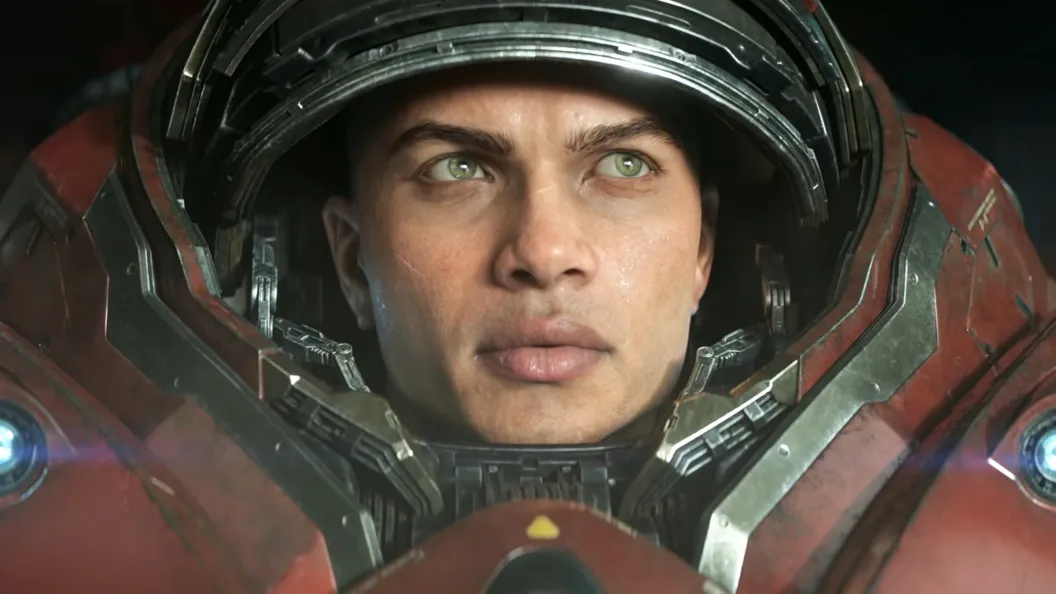
Blizzard's upcoming StarCraft 2030 sequel, announced at BlizzCon 2026, has clarified its timeline placement to occur decades after StarCraft II's events, resolving fan concerns about continuity while expanding the franchise's narrative potential.
Blizzard Entertainment has confirmed that its upcoming StarCraft 2030 sequel will take place decades after the events of StarCraft II, resolving initial fan concerns about how the game fits into the franchise's timeline. The announcement, made at BlizzCon 2026, revealed the game would be an open-world, narrative-driven experience shifting from real-time strategy to third-person shooter gameplay. However, early speculation about its placement in the StarCraft universe created uncertainty, with some fans questioning whether it would occur during or after the established storylines.
The clarification comes from subtle cues in the game's teaser trailer and developer comments. A Dominion commander's speech to new soldiers in the trailer states that the Zerg have 'returned to destroy our lands and slaughter our families,' indicating a resurgence of the alien race after a period of peace. This confirms the game's timeline is set decades after StarCraft II's conclusion, where the Dominion had crystallized into a more just society and began peace negotiations with the Protoss.
Timeline Context: Post-StarCraft II Universe
Following the StarCraft II campaign Into the Void, Raynor, Kerrigan, and Artanis successfully destroyed the Xel'naga Amon entity. The epilogue revealed the Dominion had formed a stable society and initiated peace talks with the Protoss, while Zagara controlled the Zerg on Char in a seemingly peaceful state. The trailer for StarCraft 2030 shows a young Dominion soldier training for battle, only to be killed by the Zerg—a stark contrast to the earlier resolution.
The trailer's dialogue also suggests the Protoss remain distant, with the commander stating that 'the so-called "Firstborn" judges us from the shadows.' This implies the ancient alien race has not re-engaged with humanity, leaving the Dominion to navigate its future alone. Given the Protoss' long lifespan, established figures like Artanis may have evolved or disappeared, creating opportunities for fresh storytelling without canonical constraints.
Why This Timeline Choice Matters for Fans
This timeline placement addresses a major concern among StarCraft fans who have spent the last decade wondering where the franchise's universe goes after StarCraft II. By avoiding direct overlap with the established storylines, Blizzard gains creative freedom to explore new narratives without the risk of undermining the franchise's momentum.
The decision also sidesteps potential pitfalls of setting the game during StarCraft II's events. While some fans speculated about playing as minor characters in the original battles, this approach would have limited the game's storytelling potential and risked recycling familiar conflicts. Instead, the post-StarCraft II timeline allows for a fresh exploration of the galaxy, with humanity facing new threats and alliances.
Developer Insights and Fan Reactions
Blizzard's development team emphasized that the game's narrative will focus on the Dominion's struggle to rebuild after the Zerg resurgence, with no direct involvement from the Protoss. This aligns with the trailer's depiction of a Dominion society rearming itself against the Zerg, who have once again become a 'mindless horde.'
Fan reactions have been largely positive, with many noting that the timeline shift resolves long-standing questions about the franchise's future. The trailer's subtle hints about the Zerg's resurgence—without revealing the cause—have generated excitement for a story that could redefine the StarCraft universe while staying true to its roots.
What This Means for the Franchise
The StarCraft 2030 sequel represents a significant evolution for the franchise, shifting from real-time strategy to a third-person shooter while expanding the narrative scope. By placing the game decades after StarCraft II, Blizzard ensures the story can explore new themes and conflicts without revisiting past events. This timeline choice also sets the stage for future StarCraft projects, allowing the franchise to grow organically without conflicting with established lore.
The game's focus on the Dominion's struggle to survive against the Zerg, combined with the absence of major factions like the Protoss, creates a unique opportunity for StarCraft to tell a story that feels both familiar and fresh. This approach has been praised by fans for its potential to deliver a meaningful narrative while respecting the franchise's history.
[Star Trek’s Most Important Episode Was Originally Banned in Britain (But Not For the Reason You Think)]
Blizzard's StarCraft 2030 Sequel Clarifies Timeline PlacementTimeline Context: Post-StarCraft II UniverseWhy This Timeline Choice Matters for FansDeveloper Insights and Fan Reactions
EpisodeBreakdown may use automated tools to assist research, drafting, and formatting. Published pages are governed by our editorial and corrections policies, and source links are shown when they are available in the article record.
Discovery source:ComicBook.com. The source identifies where the topic was discovered; EpisodeBreakdown is responsible for the commentary published on this page.
Reader response
What did you think?
Be the first to react
Reactions and poll results are based on real reader responses. No account is required.
Continue the story
news
Captain America, Iron Man, and Thor Don’t Define the Avengers, These 5 Heroes Do
ComicBook.com reports that while Captain America, Iron Man, and Thor are often considered the core Avengers, the team’s true identity is defined by five key members who have shaped its legacy.Read next →