Spider Man
Steven Spielberg Made a Comedy Once — and It Went Spectacularly Wrong
Despite being one of Hollywood's most legendary filmmakers, Steven Spielberg faced a significant setback with his only straight comedy, '1941'.
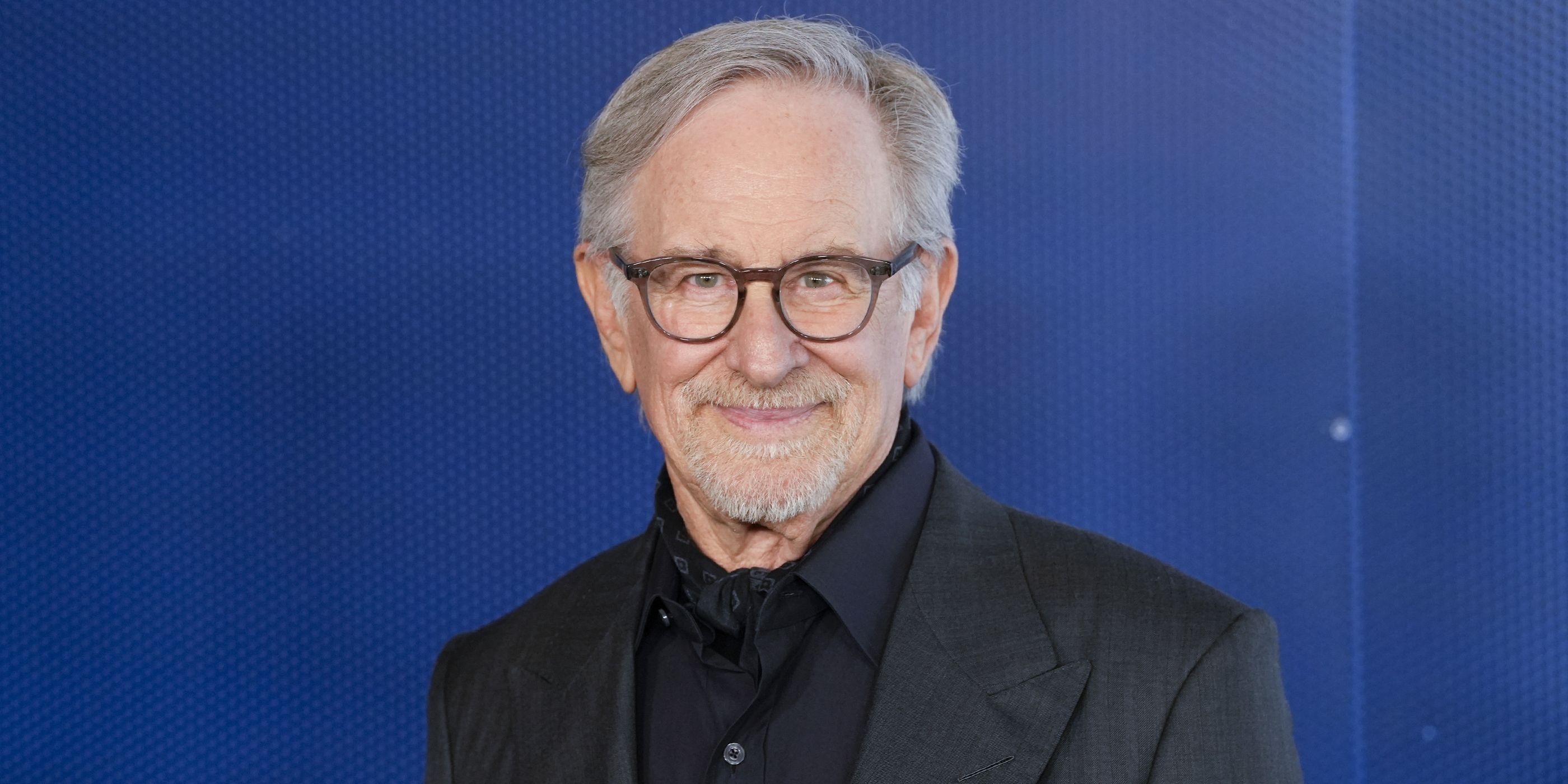
Despite being one of Hollywood's most legendary filmmakers, Steven Spielberg faced a significant setback with his only straight comedy, '1941'.
Steven Spielberg is celebrated for his incredible contributions to cinema, known for blockbusters that blend adventure, drama, and the fantastical. However, buried beneath his iconic filmography lies a less-known chapter: his foray into comedy with the 1979 film "1941." This ambitious project represents a unique misadventure, with a story that fascinates both fans and critics alike. Although it didn’t achieve the expectations set by the Spielberg name, the experience offered invaluable lessons that would shape his career in profound ways.
"1941" was Steven Spielberg's attempt to step away from genres like thriller and science fiction, venturing into broad comedy. The film was set in the chaos following the bombing of Pearl Harbor, depicting the paranoia and antics in Los Angeles where citizens believed that the West Coast was under threat from Japan. While the movie had a star-studded cast and a hefty budget, it fell flat, failing to resonate with audiences or critics, which ultimately made it one of the more notorious flops in Spielberg's legacy.
The narrative of "1941" takes place in California just after the United States’ entry into World War II, showcasing the fear and absurdity that gripped the nation. Spielberg set out to capture the cultural moment of the time—a quirky lens into wartime panic mixed with comedic elements. The film intertwined various plots involving characters from different walks of life, highlighting how the looming threat of war influenced everything from family dynamics to military operations.
The key setting of the film is Los Angeles, capturing a sprawling city caught up in the frenzy. It opens with the massive police response to a false alarm about a Japanese attack, setting the tone for the film's comedic chaos. This scenario serves as a rich backdrop for the ensuing slapstick situations and misunderstandings that ensue as the characters grapple with their fears and the eccentricities of wartime life.
The ensemble cast includes notable names such as:
The film attempts to juggle these varied characters, each portraying a different perspective on the war and its impact on everyday life, creating a complex narrative canvas that ultimately struggles to find a cohesive comedic voice.
Based on available public metadata, the film ends with a series of frenetic scenes involving military blunders, mistaken identities, and comedic misunderstandings. The climax unfolds with a chaotic confrontation, where various characters converge, highlighting their differing motivations. However, the conclusion leaves audiences with more questions than answers, lacking the satisfying resolution typically expected from Spielberg’s storytelling.
In the wake of the film's commercial failure, Spielberg returned to the genre that suited him best. Ironically, the comedic misfire of "1941" provided pivotal lessons in narrative structure, character development, and the importance of audience connection, shaping future works that would become hallmarks of cinematic storytelling.
Speculatively, had Spielberg decided to continue in comedy with the insights gained from "1941," he could have evolved into a master of the genre. His ability to blend humor with poignant themes—as seen in later works—might have offered a fresh take on how comedy could reflect societal truths.
The trending conversation surrounding "1941" taps into the contemporary fascination with the duality of successes and failures in entertainment. As society continues to witness numerous reboots, sequels, and adaptations in Hollywood, the discourse reflects a broader understanding that every artist has missteps along their creative journey. Spielberg’s comedic endeavor also resonates with audiences when considering the importance of taking risks in art, a vital aspect of his filmmaking philosophy.
Additionally, the retrospective analysis of the film invites a deeper exploration into how mainstream filmmakers adapt and pivot after setbacks, particularly in today’s fast-paced entertainment environment.
Steven Spielberg’s only straight comedy, "1941," remains a notable chapter in the history of film, not merely for its abysmal reception but for the profound lessons it imparted. As Spielberg transitioned back to dramatic narratives and thrilling blockbusters, the experience shaped his career in ways that may not be immediately visible. Despite its failures, "1941" serves as a reminder that even the most esteemed filmmakers can falter, but what truly matters is the journey of learning and evolution that follows.
While the film may never achieve cult status like other comedies of its era, it stands as a testament to the risks and creativity experienced by artists willing to step outside their comfort zones. This exploration serves as both a cautionary tale and an inspiration for newcomers in the industry, emphasizing that failure can often lead to groundbreaking success.
Movie explanation
EpisodeBreakdown may use automated tools to assist research, drafting, and formatting. Published pages are governed by our editorial and corrections policies, and source links are shown when they are available in the article record.
Discovery source: Collider. The source identifies where the topic was discovered; EpisodeBreakdown is responsible for the commentary published on this page.
Reader response
Reactions and poll results are based on real reader responses. No account is required.
Explore the dynamics behind the soaring success of the highest-grossing films, revealing trends and standout moments in cinematic history.