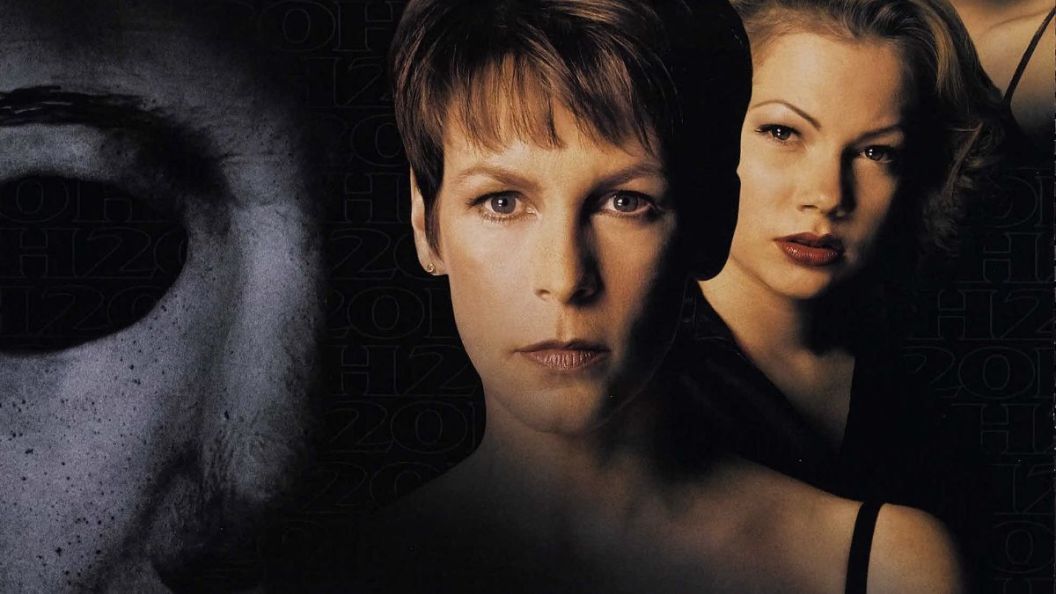
In an age where blockbuster films dominate the box office, the conversation around storytelling methods has gained tremendous popularity. Recently, acclaimed filmmaker Taylor Sheridan took a stance against the narrative techniques employed in Marvel movies, criticizing their reliance on what he terms "information dumps." This notion highlights a larger issue about storytelling in modern cinema and raises questions about the direction of mainstream filmmaking.
Quick Summary
Taylor Sheridan, known for his work in crafting compelling narratives in both film and television, made headlines with his bold criticism of Marvel movies. He argued that the franchise tends to fall back on extensive exposition, sacrificing organic storytelling for the sake of context. Sheridan’s comments invite viewers to reflect on the kind of storytelling they want to see in future films and whether the Marvel formula remains sustainable.
Story Setup
Marvel movies have become cultural phenomena since the release of "Iron Man" in 2008, establishing a shared universe that audiences have followed for over a decade. The challenge for such an expansive universe is to ensure that each film stands on its own while still contributing to an overarching narrative. This is where the concept of information dumps frequently enters the picture: characters deliver long, often tedious backstories or pivotal plot points to bring new viewers up to speed. While this may serve a purpose, Sheridan argues that it detracts from the immersive experience of cinema, reducing rich narratives to mere exposition.
A typical Marvel film may require audiences to digest complex timelines and interconnected plots through characters delivering massive amounts of information in quick succession. It’s a narrative shortcut, allowing filmmakers to gloss over character development in favor of plot progression. This approach raises the question: are these films sacrificing depth for breadth?
Main Characters
While Taylor Sheridan did not name specific characters in his critique, it’s important to consider how the writing style in Marvel movies affects character development overall. In a universe driven by superhero personas—ranging from household names like Iron Man and Captain America to newer entries like Shang-Chi and Ms. Marvel—the depth of each character often gets lost amid cliffhanger battles and action sequences.
For example, the intricate narratives surrounding characters like Loki or Wanda Maximoff could be overshadowed by the necessity to explain their powers and their roles in the broader conflict of the Marvel Cinematic Universe. In many instances, characters are forced to deliver exposition about past events or their motivations, diminishing the emotional connection that the audience can build with them. Sheridan’s critique underlines that such practices can leave audiences feeling more like spectators of a checklist than engaged participants in a story.
Ending or Latest Episode Explained
Based on available public metadata, there isn't a specific ending or latest episode to highlight in relation to Taylor Sheridan's remarks, as they are contextualized within a broader criticism of Marvel's cinematic approach. However, this conversation undoubtedly adds to the ongoing debate about how superhero stories evolve as franchises burgeon. As audiences witness events unfold and confrontations escalate, they often require explanation—and herein lies the challenge for writers: how to convey vital information without resorting to heavy-handed exposition.
What Could Happen Next
Looking ahead, the question of whether Marvel will adapt its storytelling methods in response to criticisms is paramount. As viewers grow more discerning about narrative craft, filmmakers might start to pivot toward more nuanced storytelling strategies. This could mean focusing on character-driven plots and organic dialogue rather than resorting to convenience in exposition. Such a move may not only enhance the emotional resonance of future Marvel films but also ensure that they maintain relevance in an ever-changing cinematic landscape.
Furthermore, as other studios observe the success of Marvel’s universe, they may be tempted to replicate its model, for better or worse. However, if these similar franchises face criticisms about their own narrative oversights, we could see a shift in Hollywood toward more innovative storytelling. The audience response to this evolving landscape could dramatically shape the choices filmmakers make.
Why This Is Trending
Sheridan's critique has sparked a debate among film enthusiasts and critics alike, particularly in online forums and social media platforms. Fans of storytelling, both in and outside the industry, have rallied around the idea of returning to fundamentals—character development and emotional storytelling—while others argue that the spectacle of superhero films can never be underestimated. The trend is about more than just a single critique; it encapsulates an industry grappling with tradition versus innovation.
The increasing awareness around narrative integrity reflects broader sentiments regarding content consumption in a world inundated with visual media. As streaming services and cinematic universes vie for attention, audiences yearn for authenticity and depth. This longing can be partially traced back to Sheridan’s remarks, making it a hot topic in movie news and critiques.
Final Thoughts
Taylor Sheridan’s criticism of Marvel movies for their tendency toward information dumps opens the floor for a vital discussion about the future of storytelling in cinema. As audiences increasingly expect layered narratives that expand beyond mere spectacle, the industry may need to reevaluate its approach. Sheridans's insights are not just criticisms of a particular franchise; they are calls for a broader reassessment of how stories are told in an age where audiences are more informed than ever.
As filmmakers navigate this evolving landscape, it remains to be seen whether they will take the cue from Sheridan and explore new avenues for storytelling. The ability to balance epic proportions with deep character exploration could redefine what blockbuster movies look like in the coming years. Until then, the dialogue around such critiques will continue to emphasize the need for growth and adaptation within Hollywood.
Movie explanation
About this breakdown
PublishedJune 30, 2026
Last updatedJuly 10, 2026
Topics coveredStory SetupMain CharactersEnding or Latest Episode ExplainedWhat Could Happen Next
EpisodeBreakdown may use automated tools to assist research, drafting, and formatting. Published pages are governed by our editorial and corrections policies, and source links are shown when they are available in the article record.
Discovery source: Collider. The source identifies where the topic was discovered; EpisodeBreakdown is responsible for the commentary published on this page.
Reader response
What did you think?
Reactions and poll results are based on real reader responses. No account is required.
Weekly editorial digest
Get the next breakdown in your inbox
Choose what you follow and receive one focused email with original anime, movie, TV, ending, timeline, and character coverage.
One email a weekNo spamCancel anytime