test
asdasd
HBO's The Baby intertwines horror and comedy to explore the complexities of motherhood and societal pressures on women.
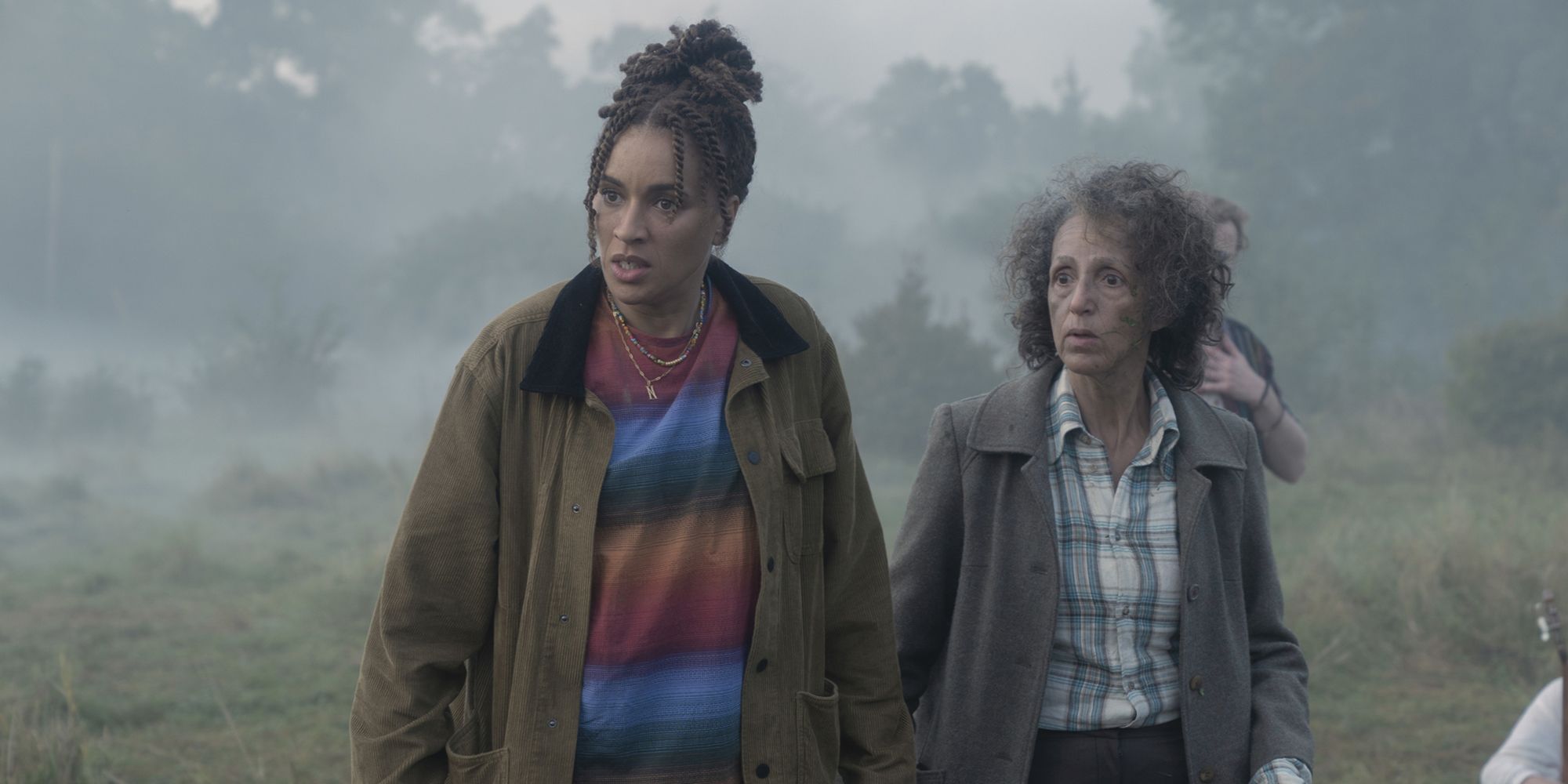
HBO's The Baby is a unique eight-episode horror-comedy series that explores the intricate struggles of motherhood through a supernatural lens. This miniseries, created by Lucy Gaymer and Siân Robins-Grace, showcases the life of Natasha, a 38-year-old woman who is thrust into the chaotic world of parenting without any desire or preparation. What sets this show apart is its ability to blend the horrors of motherhood with humor, ultimately offering a critique of societal expectations around motherhood.
In simple terms, The Baby provides a fresh, and often unsettling, perspective on the parenting experience by mixing comedy with horrifying elements, particularly through its depiction of a demonic baby who disrupts Natasha's life. This duality not only entertains but also prompts viewers to reflect on the deeper implications of motherhood.
The titular baby in The Baby is not merely a frightening figure; rather, he represents the overwhelming demands and societal pressures placed upon women, particularly regarding motherhood. Unlike the traditional portrayals of children in horror, this baby is fundamentally tied to the emotional and psychological landscapes of the adult women surrounding him.
From the moment Natasha encounters the baby on an empty beach, the narrative takes a dark turn as the baby imprints on her, leading to chaos wherever they go. With psychic abilities and a penchant for violence, this creature forces Natasha into a harsh lesson about responsibility, relationships, and judgment. The horror lies in how he not only physically harms others but also compels Natasha to confront her previously dismissive attitudes towards motherhood.
At the heart of The Baby is Natasha’s journey from a carefree, judgmental woman to someone who learns the complexities and burdens of motherhood. Initially unsympathetic to her friends who struggle with parenting, Natasha’s life undergoes a dramatic transformation once she becomes entwined with the supernatural infant.
Through her interactions with the baby, Natasha learns about unconditional love, support, and community. The horror comedy cleverly uses her character development to showcase the realities of parenting—balancing a self-centered lifestyle with the needs of a dependant being and ultimately challenging the damning stereotypes surrounding mothers who struggle.
Much of The Baby also highlights the generational expectations placed on women regarding motherhood. The backstories woven into the series show several contrasting mother figures, including Natasha's estranged mother, Barbara. Barbara’s life experiences reflect the societal pressures and emotional baggage that can lead women to feel trapped within their roles.
For instance, the series dives into the haunting story of Helen, another mother figure from the past who faces insurmountable societal pressures. Unlike Natasha, who grapples with apathy towards motherhood, Helen’s narrative serves as a cautionary tale of forced motherhood, ultimately leading her to tragic outcomes. This dual narrative structure allows the audience to grasp the multifaceted struggles women face regarding their identities as mothers—both desired and undesired.
The series serves as a critique of how society romanticizes motherhood while often overlooking its complexities. Natasha's transformation helps to bring to light the exhausting expectations placed on mothers to embody perfection and selflessness. The supernatural elements of the story poignantly mirror these pressures, revealing that being a mother is rarely as straightforward or idyllic as often portrayed in mainstream narratives.
As viewers witness Natasha battle a baby who demands to be loved and nurtured, they are reminded of the relentless expectations that women endure. The series encourages reflection on the often-unspoken burdens that accompany motherhood, challenging audiences to empathize with the struggles mothers face in today's society.
In conclusion, The Baby invokes laughter, fear, and reflection. While it features horror elements that shock, its most significant contribution is the way it addresses motherhood’s complexities. Through Natasha's arc and the symbolism of the demonic baby, the series forces a reevaluation of how we view both mothers and the society that pressures them to conform.
As a viewer, the experience is layered; the horror and comedy intersect to reflect genuine truths about gender, family expectations, and self-identity. The show may not be designed for new mothers, but its incisive commentary on the struggles of womanhood is worth serious reflection.
HBO's The Baby stands out in the horror-comedy genre by blending supernatural elements with poignant social commentary. It compels viewers to confront the unrealistic expectations surrounding motherhood and celebrates the resilience that comes with navigating these turbulent waters. Whether audiences find humor or horror in the series, it ultimately provokes necessary conversations about motherhood today—an aspect of the show that could resonate for years to come.
For further insights into the horror genre and its portrayal of complex characters, you might find interest in our discussions of 8 Horror TV Shows Scarier Than Films or explore impactful character resolutions in Forging Justice Episode Breakdown: Key Events and Character Insights.
Story breakdown
EpisodeBreakdown may use automated tools to assist research, drafting, and formatting. Published pages are governed by our editorial and corrections policies, and source links are shown when they are available in the article record.
Discovery source: Collider. The source identifies where the topic was discovered; EpisodeBreakdown is responsible for the commentary published on this page.
Reader response
Reactions and poll results are based on real reader responses. No account is required.