movies
George and Amal Clooney Evacuate Their France Home
Kavinsky's contribution to the Drive soundtrack is a masterclass in how music shapes cinematic experiences.
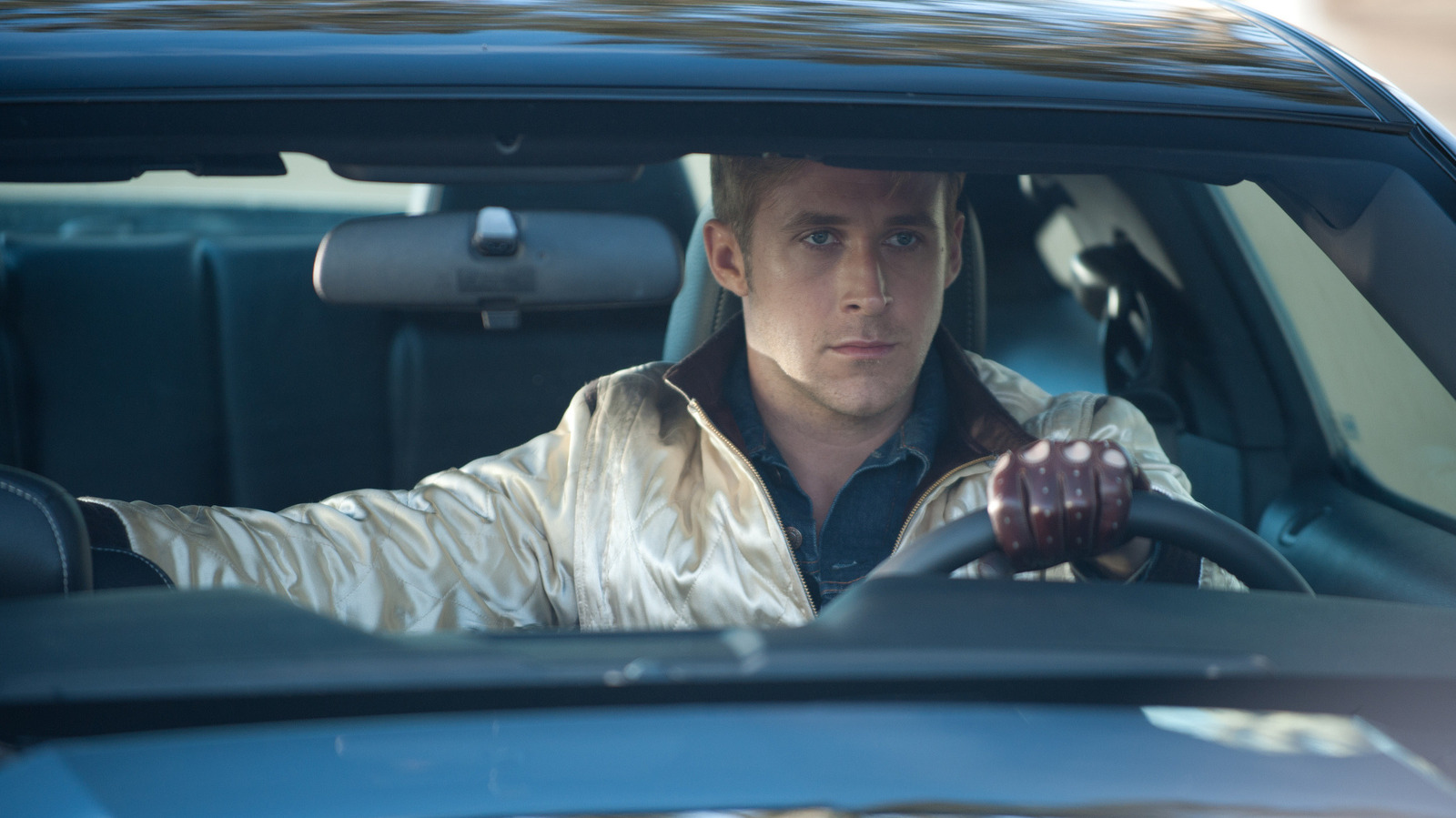
In simple terms, the core question surrounding Kavinsky’s legacy is how his music contributed to defining the soundscape of modern cinema, especially through his iconic track "Nightcall" in Nicolas Winding Refn's Drive. The answer is profound: Kavinsky's music not only enhances the film's emotional depth but also establishes an atmospheric connection that lingers long after the credits roll.
Born Vincent Pierre Claude Belorgey in 1975, Kavinsky emerged from the vibrant French electronic music scene of the early 2000s. He infused his tracks with a cinematic flair that mirrored his love for movies. His untimely passing at the age of 50 leaves a notable absence in the music world, but his impact, particularly through the soundtrack of Drive, remains a testament to his genius.
Kavinsky’s "Nightcall" plays during the opening credits of Drive, setting a hauntingly melancholic tone that resonates throughout the film. The hypnotic blend of synths and dreamy vocals creates an emotional backdrop that mirrors the protagonist's lonely journey through Los Angeles at night. As viewers watch Ryan Gosling’s portrayal of The Driver, the music captures not just the aesthetic of the film but the character's internal struggles. This alignment of sound and visual is crucial, as it immerses the audience in a world of nocturnal mysteries.
Confirmed: The choice of "Nightcall" was deliberate and strategic; it primes the viewer for an atmospheric experience that aligns closely with the film’s slow-burn narrative.
The soundtrack of Drive, featuring contributions from various artists alongside Kavinsky, plays a pivotal role in advancing the narrative. Each musical selection evokes specific emotions and enriches key scenes, creating a synergy between the audio and visual elements. For instance, while "Nightcall" opens the film, other tracks punctuate pivotal moments—each piece amplifying the stakes and emotional weight of The Driver’s actions.
Kavinsky tackles themes of love, loss, and existential longing through his track. As The Driver navigates a world filled with violence and moral ambiguity, the song serves as a reflective lens, emphasizing his isolated existence. It’s more than just background music; it’s a narrative device that underscores character motivations and thematic depth.
Kavinsky’s work transcended the confines of the Drive soundtrack, leaving a lasting impact on both electronic music and film. His second album, Reborn, released in 2022, demonstrated his continued evolution as an artist, even as it stands as his final collection. Critics lauded it for recapturing the electric essence of OutRun, with tracks that resonate with the mood established in Drive. Though some may argue it doesn't quite reach the heights of his debut, it clearly shows his dedication to crafting evocative soundscapes.
Kavinsky's music laid the groundwork for a resurgence in retro-styled soundtracks, inspiring many contemporary filmmakers to seek similar atmospheric scoring. His influence is palpable in recent films, blending nostalgia with modernity, akin to how directors like Quentin Tarantino or Edgar Wright utilize music to enhance storytelling.
The essence of Drive transcends just its plot; it’s about the emotions stirred within the viewer. The film wrestles with concepts of identity and morality—questions embedded in the very fabric of the narrative. As The Driver oscillates between his roles of protector and killer, Kavinsky's tracks are there to amplify the emotional stakes.
Confirmed: The intricacy of Kavinsky's music enhances the film's existential themes, allowing audiences to connect with The Driver on a deeper, more visceral level.
Drive stands as a landmark film that redefined cinematic expression through its visual style and sound design. The aesthetics of L.A. at night—its empty streets, neon lights, and shadows—coupled with the evocative soundtrack, create an immersive experience that mirrors the protagonist's psychological landscape. Kavinsky’s music embodies this, inviting viewers into a space that feels simultaneously romantic and dangerous.
Directors like Nicolas Winding Refn have been influential in shaping the sound of modern cinema. The collaboration with Kavinsky on Drive speaks to the importance of music as a partner to visual storytelling. Jay Johnson’s title design that complements the music reinforces the overall aesthetic unity, making it a case study for future filmmakers aiming to echo that kind of emotional sophistication.
For those interested in understanding more about the vital role of music in film, it’s worth exploring other noteworthy soundtracks that achieve similar feats, such as Trent Reznor and Atticus Ross's compositions for The Social Network or Gone Girl.
Kavinsky's passing marks the loss of not just a musician but a visionary who uniquely understood the interplay between music and film. His contribution to Drive is a celebration of how sound can elevate cinematic experiences. While we mourn his absence, we also celebrate the legacy he leaves behind—a corpus of work that continues to inspire filmmakers and musicians alike. Future cinema will undoubtedly feel his influence, as his tracks will become staples for storytellers seeking to forge connections between sound and emotion.
As we reflect on Drive, Kavinsky’s music remains a haunting reminder of the intimacy and depth that art can capture. His sound will continue to echo through the corridors of cinema, reminding us of the narratives that connect us all.
Movie explanation
EpisodeBreakdown may use automated tools to assist research, drafting, and formatting. Published pages are governed by our editorial and corrections policies, and source links are shown when they are available in the article record.
Discovery source: Slashfilm. The source identifies where the topic was discovered; EpisodeBreakdown is responsible for the commentary published on this page.
Reader response
Reactions and poll results are based on real reader responses. No account is required.
George and Amal Clooney's evacuation from their French home amid wildfires emphasizes community and family values in uncertain times.