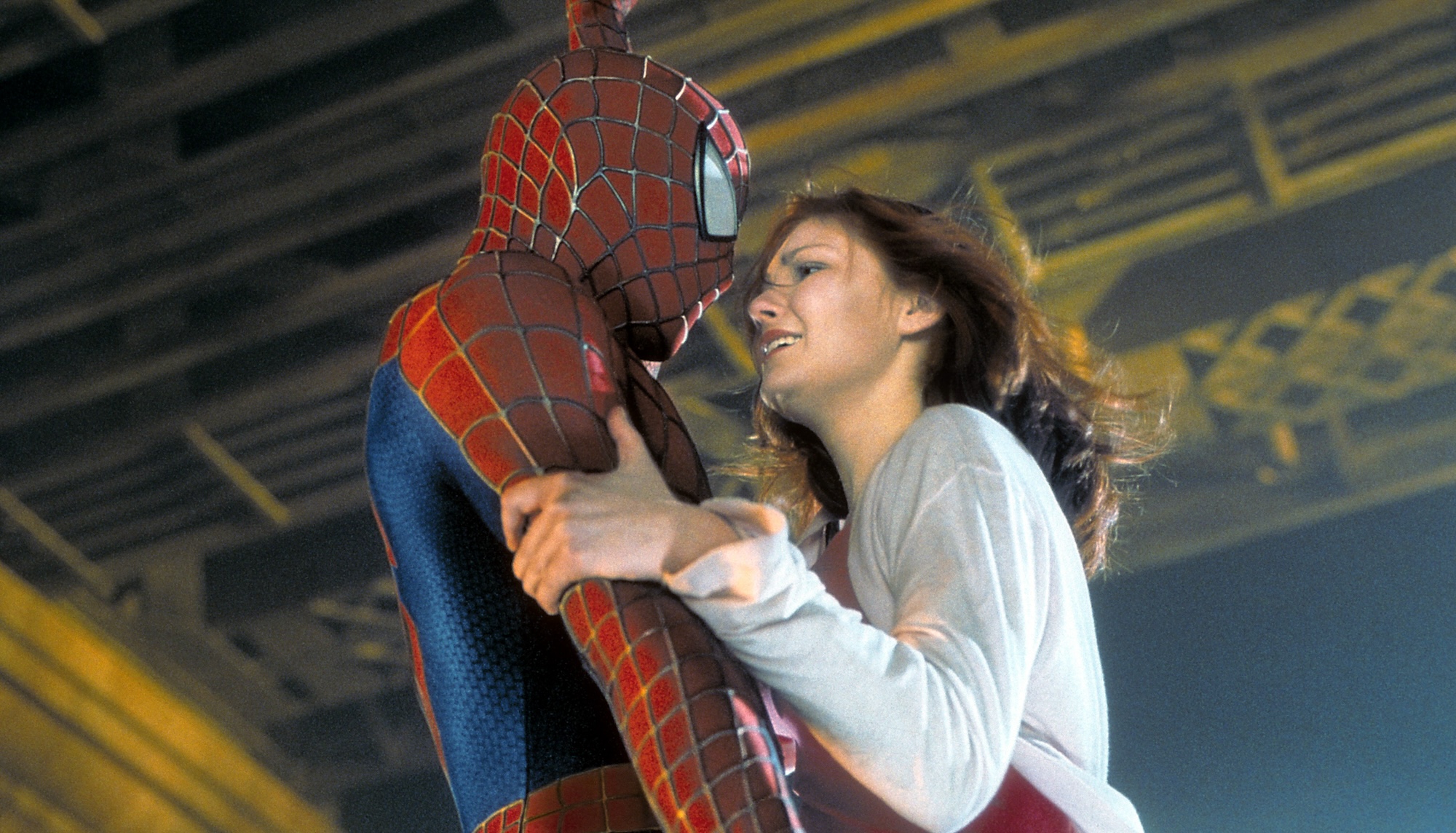
Spider-Man: Brand New Day Revives Organic Web-Shooters Debate
Spider-Man: Brand New Day brings back organic web-shooters, reframing a decades-old debate with humor and style, engaging both fans and newcomers.
Exploring the implications of Trump's AI-generated parody of Kidman's AMC ad within the political landscape.
In simple terms, the White House has reimagined Nicole Kidman’s beloved AMC Theatres advertisement into a MAGA-themed political statement celebrating Donald Trump’s presidency. The parody, produced with generative AI, replaces the original's themes of cinematic wonder with a stark political message. Here is what is confirmed: this change marks not only a shift in content but also reflects a broader trend of blending pop culture and politics to further a specific agenda.
The original AMC ad features Nicole Kidman walking into a theatre and speaking passionately about the magic of cinema and the communal experience of watching film. It resonates with audiences through its heartfelt and nostalgic tone. In stark contrast, the parody opens with a direct invitation to embrace political ideology, saying, "We come to this place for MAGA." This pivotal change sets the stage for a full transformation of the video's message.
The generative AI technology used to create the parody allows the reimagining of the iconic visual elements while maintaining the orchestral score synonymous with the original. This choice underscores how political messaging can permeate even the heartwarming aspects of culture. By utilizing familiar imagery, such as Trump donning a MAGA hat and scenes reminiscent of patriotic celebrations, the White House enhances its engagement with supporters while drawing on the emotional connections audiences have with the original ad.
The decision to showcase political messaging through a reimagining of a beloved cultural staple raises questions about the intersection of entertainment and governance. This MAGA-themed ad portrays Trump's administration not just as releasers of political content but as creators of a new narrative centered around “making history.” The claim that “under this administration, we’re going somewhere we’ve never been” reflects both an ambition to recast the political narrative and a vote of confidence meant to galvanize support from base constituents.
At the center of this transformation is the portrayal of success deeply tied to personal emotions—the feelings of victory, achievement, and patriotism. The White House version ends with a title card declaring, “MAGA: Welcome to the Golden Age,” a phrase that echoes sentiments shared among supporters but may also elicit criticism from those disaffected by the administration’s policies.
Parodies such as this serve a dual purpose. While they may entertain, they can also inform viewers about the political landscape and shift their perspectives. The parody's closing moments project a series of Trump’s significant actions while stating, “We’re not just watching history; we’re making it.” This clever wordplay seeks to replace distrust or disillusionment with a sense of belonging and optimism in the face of governance—a tactic that can either resonate positively with supporters or evoke skepticism among critics.
The broader implications of this approach highlight how much contemporary political messaging relies on the reuse of established cultural touchstones to shape ideology. By leveraging Kidman’s ad, the White House can position itself closer to the public through familiar emotional imagery while employing a tone of triumph that might otherwise be contested.
An essential part of the strategy behind this parody relies on recognizing audiences' connection to the original AMC ad. As AMC Theatres experiences a renaissance in box office revenue following successful releases like Spider-Man 4, the timing amplifies the parody's impact. Trump’s administration appears to capitalize on cultural moments to reengage voters, indicating a keen understanding of the entertainment landscape as a critical tool for outreach and influence.
For those who appreciate both cinema and politics, this parody may invite dialogue on the appropriateness of merging such seemingly separate worlds. It brings forth a collaborative yet contentious relationship between cultural icons and political entities.
At the time of this event, notable figures such as Nicole Kidman and the creators of the original AMC ad have yet to release official statements. Given the weight of this parody, it’s likely that responses will arrive in the form of both support and criticism. This illustrates the division in public opinion and the evolving narrative around entertainment's role in political discourse.
As this narrative unfolds, it invites critical questions around the ethics of using generative AI for political propaganda, the potential normalization of parody in political messaging, and audiences' role in interpreting such transformations.
The release of this parody signifies a strategic blend of entertainment and politics with the aim of realigning public perception around Trump's presidency. Beyond mere parody, it serves as a microcosm of cultural manipulation in the modern political landscape, illustrating a broader trend in which political figures leverage cultural phenomena for their objectives. As the political environment continues to evolve, it’s crucial to remain vigilant about how such content influences societal opinions and underscores the powerful collaboration between media and political narratives.
This examination adds depth to understanding how creative expressions can be reframed to serve specific agendas, making it a noteworthy case study for future analyses of the intricate dance between culture and governance.
Movie explanation
EpisodeBreakdown may use automated tools to assist research, drafting, and formatting. Published pages are governed by our editorial and corrections policies, and source links are shown when they are available in the article record.
Discovery source: ComingSoon. The source identifies where the topic was discovered; EpisodeBreakdown is responsible for the commentary published on this page.
Reader response
Reactions and poll results are based on real reader responses. No account is required.