test
asdasd
Numerous TV series are criticized for being too dark, leading to viewer frustration. Here’s a breakdown of the trends behind this trend.
Explore the franchise
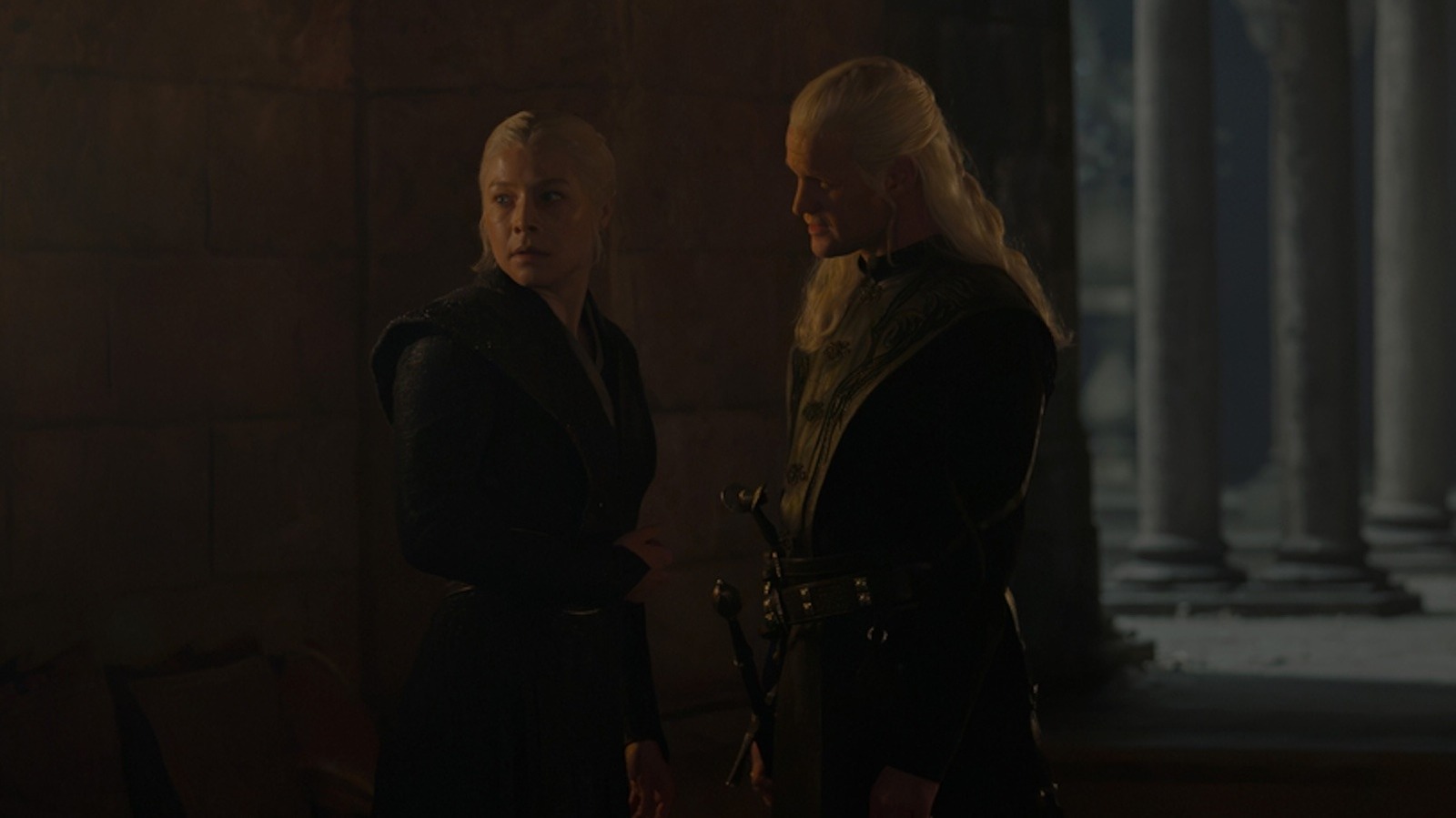
In simple terms, many popular TV shows, including HBO's "House of the Dragon," have faced criticism for being excessively dark, making it difficult for viewers to follow the action. This issue extends beyond mere personal preference; numerous shows over the past decade have consistently deployed dim lighting and muted colors that detract from the viewing experience.
The problem of overly dark visuals has become a staple complaint among audiences, emerging prominently in shows like "House of the Dragon," which is currently airing its third season. In its pursuit of a gritty aesthetic, the series often incorporates poorly lit scenes—like those in dark castle rooms—where viewers are left guessing about the characters’ identities and emotional states. Such choices sometimes result in confusion, as seen with moments where characters appear almost invisible, like Alys navigating through Harrenhal.
Reflecting on past series, this concern isn't new. Shows such as "Game of Thrones," "Euphoria," and Netflix's "Black Rabbit" have drawn similar complaints regarding their lighting choices. Significantly, "Game of Thrones" faced particular scrutiny during the infamous Battle of Winterfell in its final season, where viewers struggled to grasp the events unfolding on screen due to the poorly lit setting.
Several factors contribute to the trend of darker imagery in modern television. The shift towards streaming platforms and the advent of digital cinematography in the mid-2010s heralded a new era where natural lighting became less prioritized. As creators rely increasingly on digital special effects, lighting was often compromised, especially during the pandemic when crew sizes were reduced on set. These conditions created an environment where scenes were not adequately lit, ultimately dimming the viewer’s experience.
While nighttime scenes are intrinsic to many narratives, creating atmospheric tension, it is essential for viewers to discern what is happening. The creators’ inclination toward moody aesthetics often deviates into a territory where scenes become incomprehensible. Despite the artistic merits of shadowy tones, an excess of dimness leads to frustration, detracting from the very enjoyment that viewers seek from well-crafted stories.
Viewers are not merely asking for brighter lights, but rather for a balanced approach to lighting that incorporates dark elements without sacrificing clarity. Great storytelling should be complemented by the audience’s ability to actually see the nuances within it. The discourse surrounding this issue urges content creators to reconsider how they balance moodiness with visibility, pushing for standards that enhance, rather than obscure, crucial plot points.
For more insights into contemporary TV trends, check out our pieces on The Best New Sci-Fi Shows of 2026 You Can Binge and the Must-Watch Shows to Binge-Watch This August.
This ongoing criticism highlights the need for a reevaluation in the television industry's approach to lighting design. As viewers express their dissatisfaction with the inability to fully engage with content that pushes visual boundaries, creators may find it necessary to adapt their techniques. The future of television could shape a landscape where artistic choices coexist with the viewer's ability to connect with the story, ensuring that we are not left squinting at our screens.
Story breakdown
EpisodeBreakdown may use automated tools to assist research, drafting, and formatting. Published pages are governed by our editorial and corrections policies, and source links are shown when they are available in the article record.
Discovery source: TVLine. The source identifies where the topic was discovered; EpisodeBreakdown is responsible for the commentary published on this page.
Reader response
Reactions and poll results are based on real reader responses. No account is required.