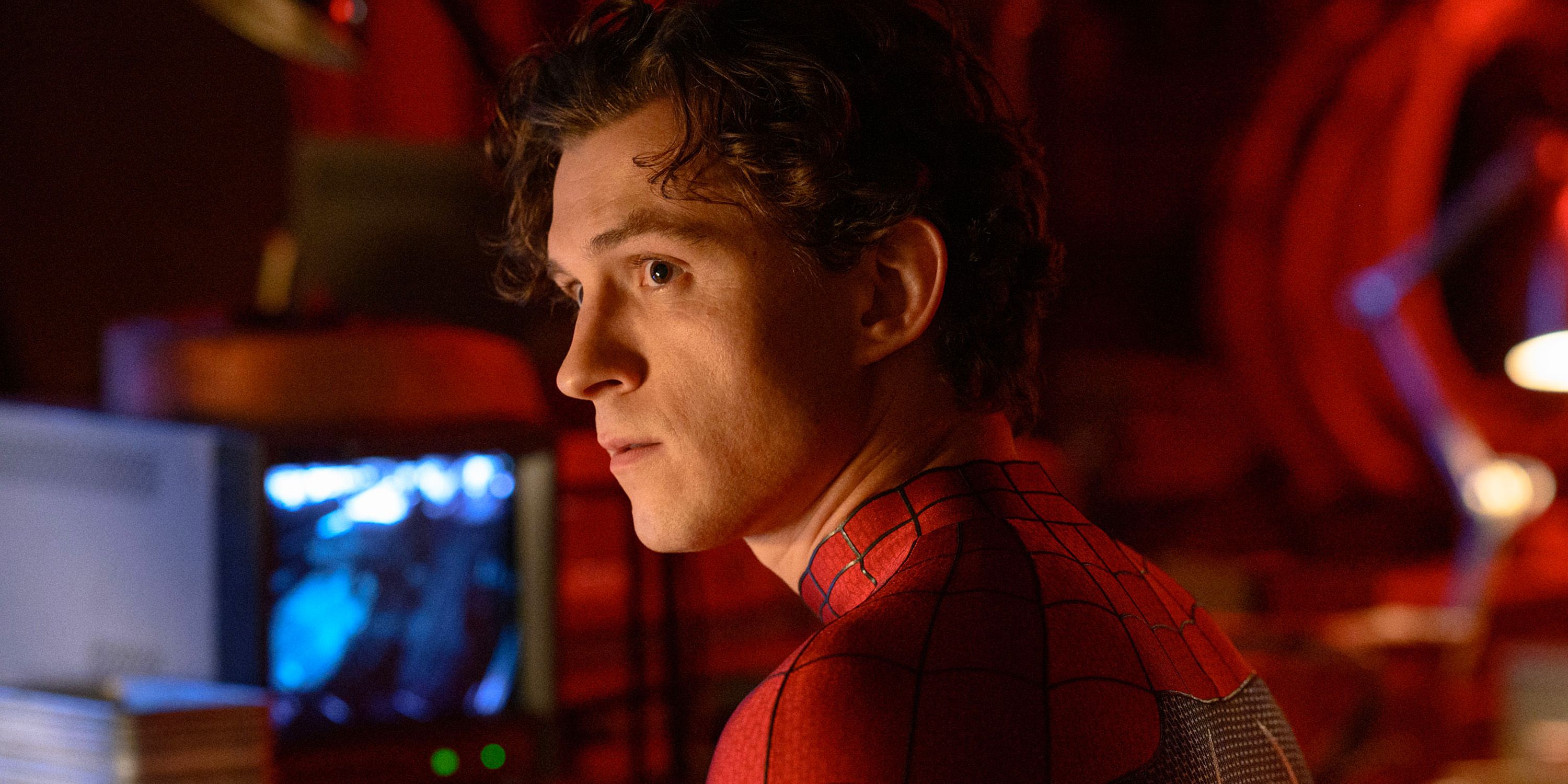
Exploring the Themes and Climax of Spider-Man: Brand New Day
Dive deep into the themes and critical turning points in Spider-Man: Brand New Day.
This article dissects ten classic thrillers that have not held up over time, exploring their themes, character choices, and the reasons they feel outdated.
In simple terms, classic thrillers often fall into disrepair due to outdated themes, poor character development, and unreliable cinematic techniques. As societal standards evolve, certain films become increasingly difficult to enjoy, even when they once garnered acclaim. Their historical significance can't mask their inability to resonate with contemporary audiences, leading film enthusiasts to label them as unwatchable. This piece explores ten such films that may have been groundbreaking in their time but now fail to entertain.
Play Misty for Me, directed by Clint Eastwood, puts a chilling twist on obsession by following a radio host whose affair spirals into dangerous territory. The film's examination of infatuation and the archetypal 'bunny boiler' tropes—pioneered later in films like Fatal Attraction—create a tension that feels outdated. While some viewers celebrate the film’s suspense, others criticize its treatment of women, which, despite its artistry, appears regressive today. The dialogue and character decisions often alienate modern audiences who seek nuanced portrayals over simplistic narratives.
Another example of a thriller that hasn't aged gracefully is Coogan's Bluff, featuring Clint Eastwood as a lawman tracking an escaped criminal in New York City. Though intended to highlight law enforcement's challenges, the film's glacial pace and lack of character depth render it tedious. Viewers today might expect a more dynamic narrative, yet Coogan's quest feels more like an early attempt to transition Eastwood's Western persona into urban settings. This shift proves ineffective, leading many to view the film as an awkward early entry into crime cinema.
Bonnie and Clyde stands as a landmark film, yet it struggles under the weight of its romanticized narrative. Directed by Arthur Penn, this controversial portrayal attempts to turn ruthless criminals into reluctant heroes, a trend that skews the moral compass of its characters. In the age of #MeToo and heightened awareness of toxic relationships, the film feels misguided in its effort to glorify crime. Rather than examining the moral decay associated with its central characters, it indulges their romantic misadventures, leaving viewers questioning the intended message.
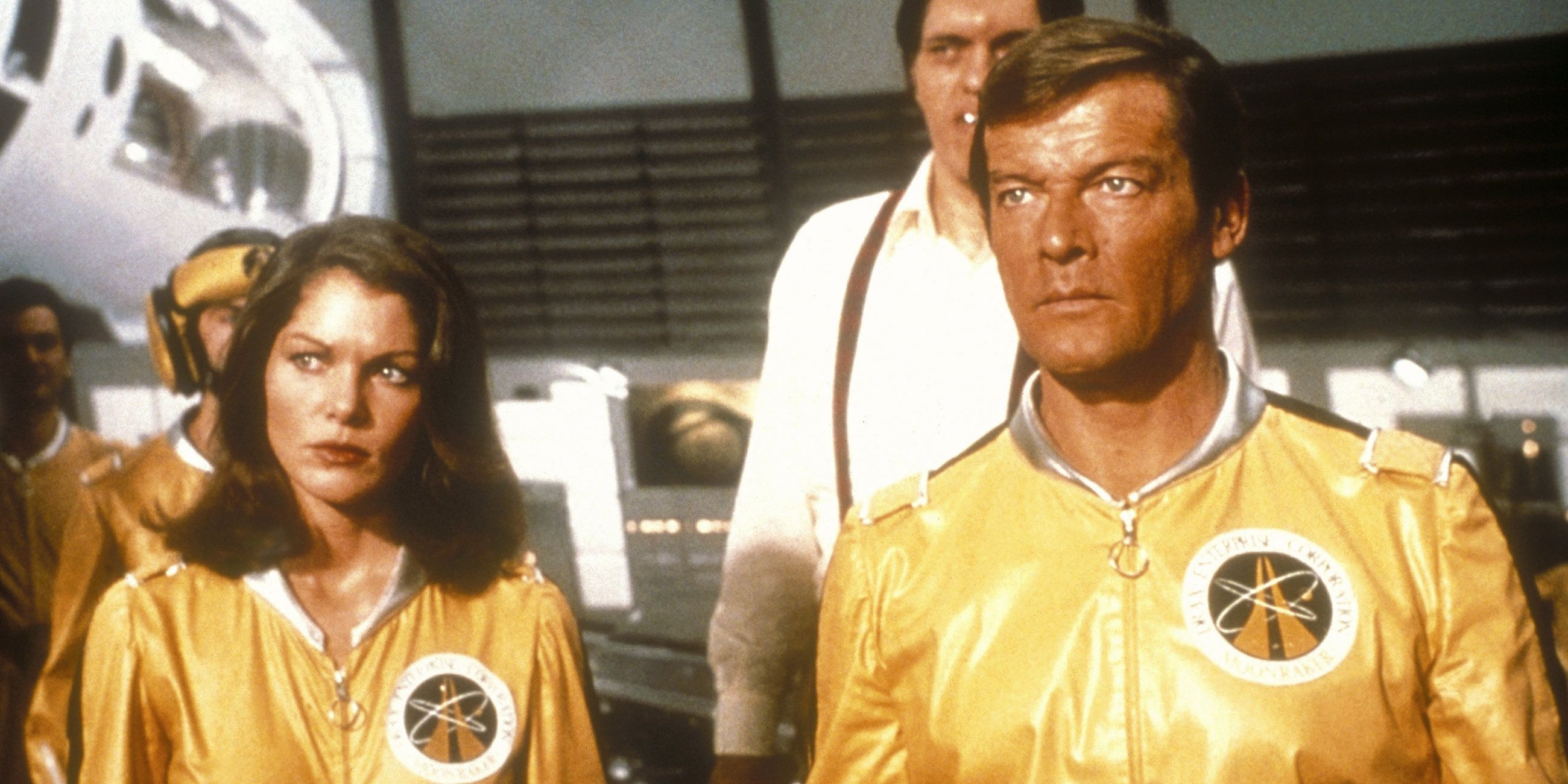
The James Bond franchise, specifically Moonraker, showcases how dated elements can lead to a film's decline into camp. Focused on a space adventure woven into a spy narrative, the film trades narrative substance for visual gimmicks. From absurd technology to caricatured villains, it exemplifies how high-concept ideas can overshadow coherent storytelling. While original Bond films thrived on espionage intrigue, Moonraker descends into silliness, leaving a sour taste for both fans and critics alike.
Natural Born Killers, directed by Oliver Stone and based on a Quentin Tarantino script, delves into media sensationalism surrounding violence and crime. However, its surreal take on love-struck serial killers receives backlash for glorifying brutality rather than critiquing it. This convoluted narrative sacrifices depth for shock value; audiences struggle to find genuine commentary on societal issues overwhelmed by excessive violence. The film risks alienating viewers who desire thoughtful examinations of crime rather than a mere visual dissection of it.
In Invasion of the Body Snatchers, originally released in 1956, alien pods replicate humans in a slow burn narrative. When this classic is lined up against its modern remake, the original lacks the depth and impact of the later version. The original film's black-and-white aesthetic and pacing can detract from its compelling themes of identity and paranoia. In stark contrast, the remake offers a fresh perspective, proving that remakes can sometimes surpass their predecessors in resonance and storytelling.
With Death Wish, Charles Bronson’s portrayal of a vigilante initially seemed a crusade against crime, but it reveals troubling undercurrents of violence justified in revenge. This film marks the beginning of problematic narratives glorifying vigilante justice without delving into ethical ramifications, a stance that now feels deeply problematic. Its influence can be seen in many subsequent films, establishing a legacy of revenge that many critique today as harmful and irresponsible.
The Birds, directed by Alfred Hitchcock, remains lauded for its suspense, yet the film suffers from its B-movie aesthetics when revisited. Backed by an almost comical premise, its portrayal of nature wreaking havoc now comes off as dated. Although it holds a unique place in cinematic history, the special effects and overarching narrative challenges audiences accustomed to more sophisticated storytelling techniques. Hitchcock's mastery doesn't hide the flaws that emerge against contemporary standards.
The analysis of classic thrillers not only illuminates their shortcomings but also reflects changing cultural values and viewer expectations. Each film serves as a case study in how societal progress influences our experience of art, dramatically reshaping our interpretations of what makes a story worth telling. While some films may have struck a chord in their time, they often reveal the limits of their narratives when viewed through a contemporary lens. The legacy of these works often affects how future filmmakers approach themes and portrayals of character, serving as reminders of the importance of moral responsibility in storytelling. As we reconsider these films, we delve deeper into understanding why they became unwatchable—and what that means for future cinema.
Movie explanation
EpisodeBreakdown may use automated tools to assist research, drafting, and formatting. Published pages are governed by our editorial and corrections policies, and source links are shown when they are available in the article record.
Discovery source: CBR Movies. The source identifies where the topic was discovered; EpisodeBreakdown is responsible for the commentary published on this page.
Reader response
Reactions and poll results are based on real reader responses. No account is required.