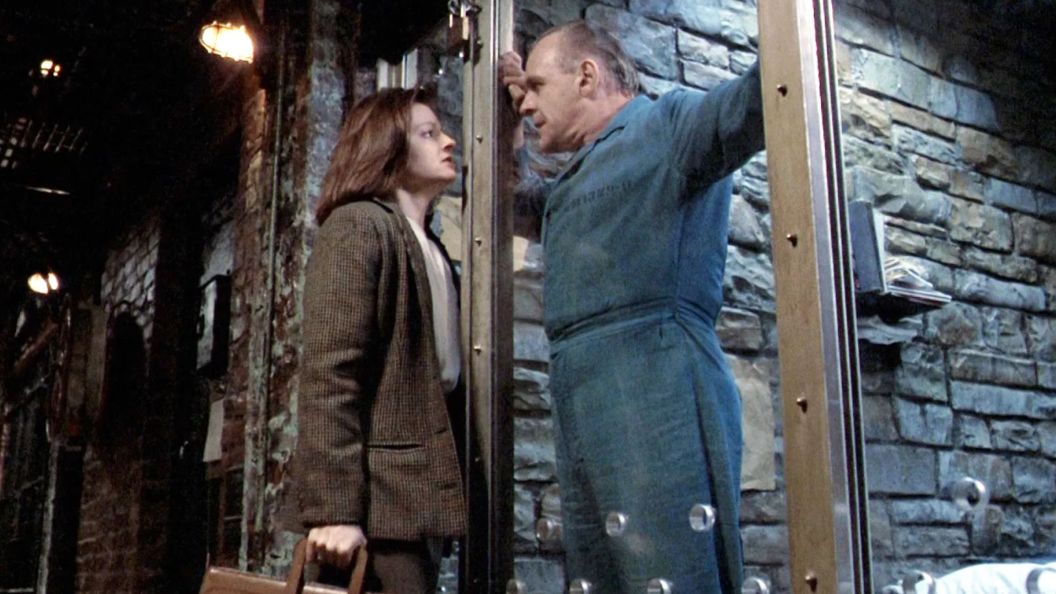
When most people think about The Silence of the Lambs, they think about how good of a movie it is. written by Ted Tally and directed by Jonathan Demme, the 1991 adaptation of Thomas Harris’ novel of the same name is, without question, an incredible film.
How The Silence of the Lambs Uses Framing to Highlight Sexism
ComicBook.com has revealed a nuanced perspective on the 1991 psychological thriller The Silence of the Lambs that challenges viewers to reconsider the film’s cultural impact. The analysis focuses on director Jonathan Demme’s deliberate framing choices, which subtly center the film around themes of sexism and misogyny without overtly making them the primary narrative focus.
The article explains that Demme’s use of close-up shots and characters looking directly into the camera creates a unique viewer experience. This technique forces audiences to adopt Clarice Starling’s perspective, making them feel the male gaze as it targets her throughout the film. The piece notes that nearly every scene features men leering at or objectifying Clarice, with even Hannibal Lecter directly questioning her about "eyes moving over your body" during their final confrontation.
The Elevator Scene: A Subtle but Powerful Moment
One of the most overlooked scenes in The Silence of the Lambs is the elevator sequence early in the film. Unlike the iconic later elevator scene, this earlier moment shows Clarice in a grey sweatshirt surrounded by larger men in red shirts. The framing emphasizes her vulnerability, with many characters looking down on her or examining her body. The article describes this as "a little humorous in context" but "an uncomfortable humor" that visually represents Clarice as "a lamb about to be devoured by wolves."
This scene, while seemingly minor in the plot, serves as a critical visual metaphor for the film’s broader themes. It highlights how Clarice exists within a world where men’s attention is constantly directed toward her, reinforcing the idea that her experience is part of a larger societal pattern.
Why This Framing Matters for the Film’s Legacy
The analysis emphasizes that The Silence of the Lambs remains a masterpiece precisely because its framing techniques enhance rather than alter the story. The film’s complex plot, psychological depth, and character dynamics remain intact even when viewed through Clarice’s perspective. This dual focus—on both the hunt for Buffalo Bill and the pervasive male gaze—makes the film more unsettling without compromising its narrative integrity.
The article argues that this framing approach has been overlooked by most viewers, who typically appreciate the film for its technical brilliance and cultural impact. By paying attention to these subtle details, audiences gain a deeper understanding of why the film continues to resonate with modern viewers, particularly those interested in gender dynamics and social commentary.
The Unintended Cultural Impact of the Male Gaze
The piece also explores how the film’s framing has influenced contemporary discussions about gender and power. The male gaze, a concept in film theory that describes how women are often depicted as objects of male desire, is directly addressed through Clarice’s experiences. The article notes that the film’s portrayal of this dynamic has become a reference point for discussions about sexism in cinema, even decades after its release.
This perspective helps explain why The Silence of the Lambs remains relevant today. The film’s ability to subtly critique gender dynamics without being overtly political has allowed it to maintain its status as a cultural touchstone while still being accessible to a broad audience.
Why This Matters for Modern Viewers
For contemporary audiences, understanding the film’s framing techniques provides a new lens through which to engage with The Silence of the Lambs. The article suggests that viewers who previously saw the film as a straightforward horror thriller may now appreciate its deeper social commentary. This shift in perspective could lead to more nuanced discussions about gender, power, and representation in cinema.
The analysis concludes that the film’s enduring legacy is not just its technical achievements but its ability to use visual storytelling to highlight systemic issues without directly stating them. This approach has made The Silence of the Lambs a timeless piece of cinema that continues to evolve in meaning as audiences gain new insights into its techniques.
How The Silence of the Lambs Uses Framing to Highlight SexismThe Elevator Scene: A Subtle but Powerful MomentWhy This Framing Matters for the Film’s LegacyThe Unintended Cultural Impact of the Male Gaze
EpisodeBreakdown may use automated tools to assist research, drafting, and formatting. Published pages are governed by our editorial and corrections policies, and source links are shown when they are available in the article record.
Discovery source:ComicBook.com. The source identifies where the topic was discovered; EpisodeBreakdown is responsible for the commentary published on this page.
Reader response
What did you think?
Be the first to react
Reactions and poll results are based on real reader responses. No account is required.
Continue the story
news
Captain America, Iron Man, and Thor Don’t Define the Avengers, These 5 Heroes Do
ComicBook.com reports that while Captain America, Iron Man, and Thor are often considered the core Avengers, the team’s true identity is defined by five key members who have shaped its legacy.Read next →