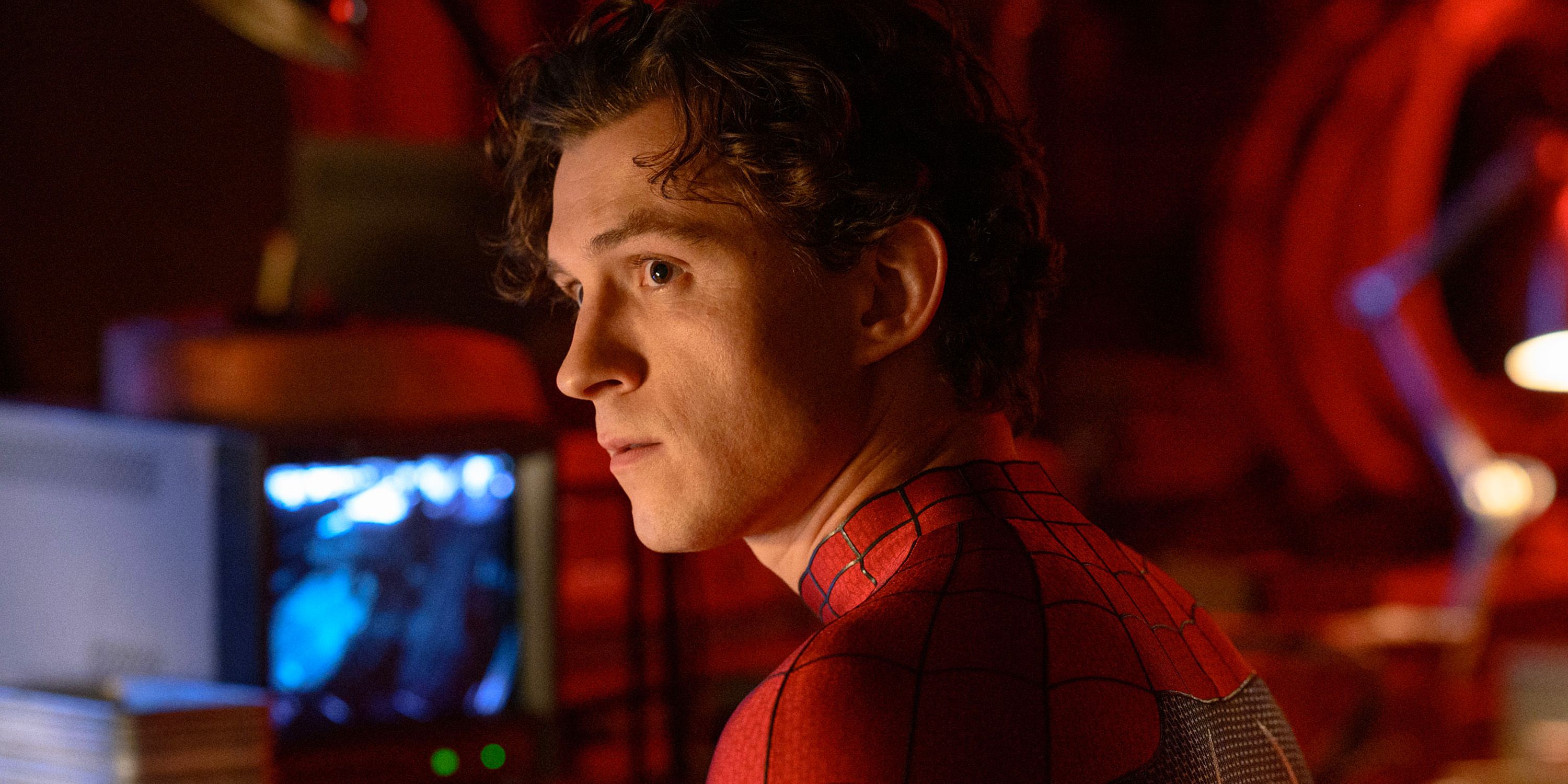
Exploring the Themes and Climax of Spider-Man: Brand New Day
Dive deep into the themes and critical turning points in Spider-Man: Brand New Day.
Exploring the revival of Andy Muschietti's adaptation of Stephen King's chilling short story, The Jaunt, and its thematic significance.

In simple terms, the question surrounding Andy Muschietti's adaptation of Stephen King's short story The Jaunt is whether it will see the light of day after being shelved for over a decade. Muschietti, known for his previous success with King's It, has expressed renewed hope about revisiting this mysterious project.
The Jaunt, acclaimed for its psychological horror and complex themes, has haunted Muschietti's thoughts since he first encountered it as a teenager. While he juggles ongoing projects, including the prequel series It: Welcome to Derry, his inclination to revisit The Jaunt signals a fascinating intersection of director passion and fan expectations.
The Jaunt was originally slated for adaptation in 2015, but Muschietti's commitment to directing It forced him to abandon the project. This multifaceted decision highlights the delicate balance filmmakers must maintain between ambition and opportunity. The Jaunt was set in a futuristic society where teleportation technology is common, which offers a rich canvas for exploring both technological wonders and the darker implications of such innovations.
Confirmed details position the narrative within the 24th century, where teleportation—referred to as a “Jaunt”—enables swift travel throughout the solar system. Central to the story is Mark Oates, who must explain to his children why they need to be sedated during the teleportation process, hinting at a nightmare lurking behind what appears to be an extraordinary advancement. This unconventional premise serves as a tapestry for deeper existential themes, including consciousness, fear, and the potential costs of technological progress.
At its core, The Jaunt is not merely a story about teleportation; it's an exploration of fear and the nature of consciousness. Readers have praised it as one of King's scariest works, encapsulated in Oates’ cautionary tale to his children. The reality that remaining awake during a Jaunt may lead to a terrifying fate adds layers of suspense and dread. This theme aligns with a broader literary motif that King often explores: the unknown terror that lurks behind normality.
As Muschietti reflected on the story's impact, he remarked how it “shattered” him at a young age, suggesting a deep-rooted emotional connection that may inspire a passionate and authentic adaptation. The psychological marvel of The Jaunt could resonate even more now, in an age where teleportation and virtual experiences fuel public imagination and debate.
Muschietti's hinting at returning to The Jaunt after managing It: Welcome to Derry lays a fertile ground for speculation. With It successfully translated to film, the director’s experience could shape The Jaunt into a refined piece that captivates both long-time King fans and a new generation of viewers. Given that a TV adaptation stalled due to developmental issues, Muschietti’s potential involvement could invigorate discussions about creative ownership and the artistic vision needed to properly flesh out King's story.
Despite the uncertainty, a resurgence of interest has emerged around The Jaunt. Muschietti's comments come at a time when King’s universe—including the upcoming HBO Max series, It: Welcome to Derry—demonstrates a continuing appetite for adaptations of King’s works. As the fascination with horror and speculative fiction grows, the potential for a cinematic or serialized resurrection of The Jaunt could bridge generational gaps while exploring its timeless themes.
The teetering state of The Jaunt's adaptation serves as a microcosm of Hollywood’s approach to literary adaptations. While the groundwork laid out by initial discussions about the project showcases the interest and potential, variables such as director schedules, audience demand, and industry politics often complicate the developmental timeline. For fans eager for a sense of closure, it's crucial to remember that many adaptations take years to find their feet or evolve into something the creators are proud to share.
Muschietti's journey through King's lore is reflective of a broader trend within the horror genre; stories built on psychological dread and social commentary resonate deeply with viewers, making the allure of The Jaunt more potent than ever.
While there are numerous questions surrounding Muschietti’s plans for The Jaunt—such as if a proper timeline can be established or whether new hurdles might arise—the buzz generated by his comments provides a positive note. King enthusiasts, familiar with the chilling nature of the short story, can find solace in the fact that Muschietti hasn’t entirely shelved his vision for it. Instead, he has a genuine desire to return to it when circumstances allow.
In the meantime, fans can dive into the It: Welcome to Derry series on HBO Max and stay informed about other adaptations, such as Fear the Walking Dead’s creative challenges and the insights provided in analyses of other King adaptations. The momentum surrounding these projects lays a foundation for renewed interest in not just The Jaunt but also King’s expansive literary universe.
With all these developments, there's a shared anticipation in the horror community, eager to see yet another Steven King tale materialize on screen, crafted with the loving care it warrants.
Muschietti's adaptation of The Jaunt remains a tantalizing prospect for those familiar with Stephen King's chilling narratives. While the project is still mired in uncertainties, the potential reunion between Muschietti and King’s work promises an exploration of deep themes relevant to our modern society. Whether the director can navigate through his upcoming projects to finally execute this vision remains to be seen.
King fans can also consider exploring other adaptations, including Analyzing Christopher Nolan's The Odyssey: Box Office Success and Themes or Why The Dead Zone's TV Adaptation Surpasses the Film, which delve into effective translation of literary material to screen.
Movie explanation
EpisodeBreakdown may use automated tools to assist research, drafting, and formatting. Published pages are governed by our editorial and corrections policies, and source links are shown when they are available in the article record.
Discovery source: CBR Movies. The source identifies where the topic was discovered; EpisodeBreakdown is responsible for the commentary published on this page.
Reader response
Reactions and poll results are based on real reader responses. No account is required.