Mortal Kombat
Barbie's Box Office Record: A Cultural Phenomenon
An analysis of Barbie's unprecedented box office success and its cultural implications.

An analysis of Barbie's unprecedented box office success and its cultural implications.
In simple terms, the release of Greta Gerwig's Barbie not only shattered box office records but also sparked widespread cultural conversations. What happened is that a film once viewed with skepticism due to its toy-based origins transcended expectations, becoming the highest-grossing film directed solely by a woman. This analysis aims to dissect Barbie’s monumental success and its underlying themes, contextualizing its impact against earlier records set by films like Wonder Woman.
The central question surrounding Barbie is how it managed to eclipse the box office success of the highly acclaimed Wonder Woman. This phenomenon is rooted in multiple layers, including marketing strategies, societal commentary, and the shifting landscape of female representation in film. While Wonder Woman opened to a remarkable $103.1 million and eventually earned $822.8 million globally, Barbie made an impressive debut, grossing $162 million domestically in its opening weekend, leading to a total of $1.446 billion worldwide. This indicates not only an effective marketing strategy but also a cultural resonance that Wonder Woman tapped into but did not fully explore.
The success of Barbie can largely be attributed to its unique marketing approach, notably the simultaneous release with Christopher Nolan’s Oppenheimer. Dubbed the ‘Barbenheimer’ phenomenon, social media buzz transformed this dual-release event into a cultural meme that heightened audience interest in both films. This strategy created a shared viewing experience, driving ticket sales in a way previously unseen. With an early focus on vibrant aesthetics and humor infused with feminist critique, Barbie differentiated itself from typical toy adaptations and drew in diverse audiences well beyond its initial target demographic.
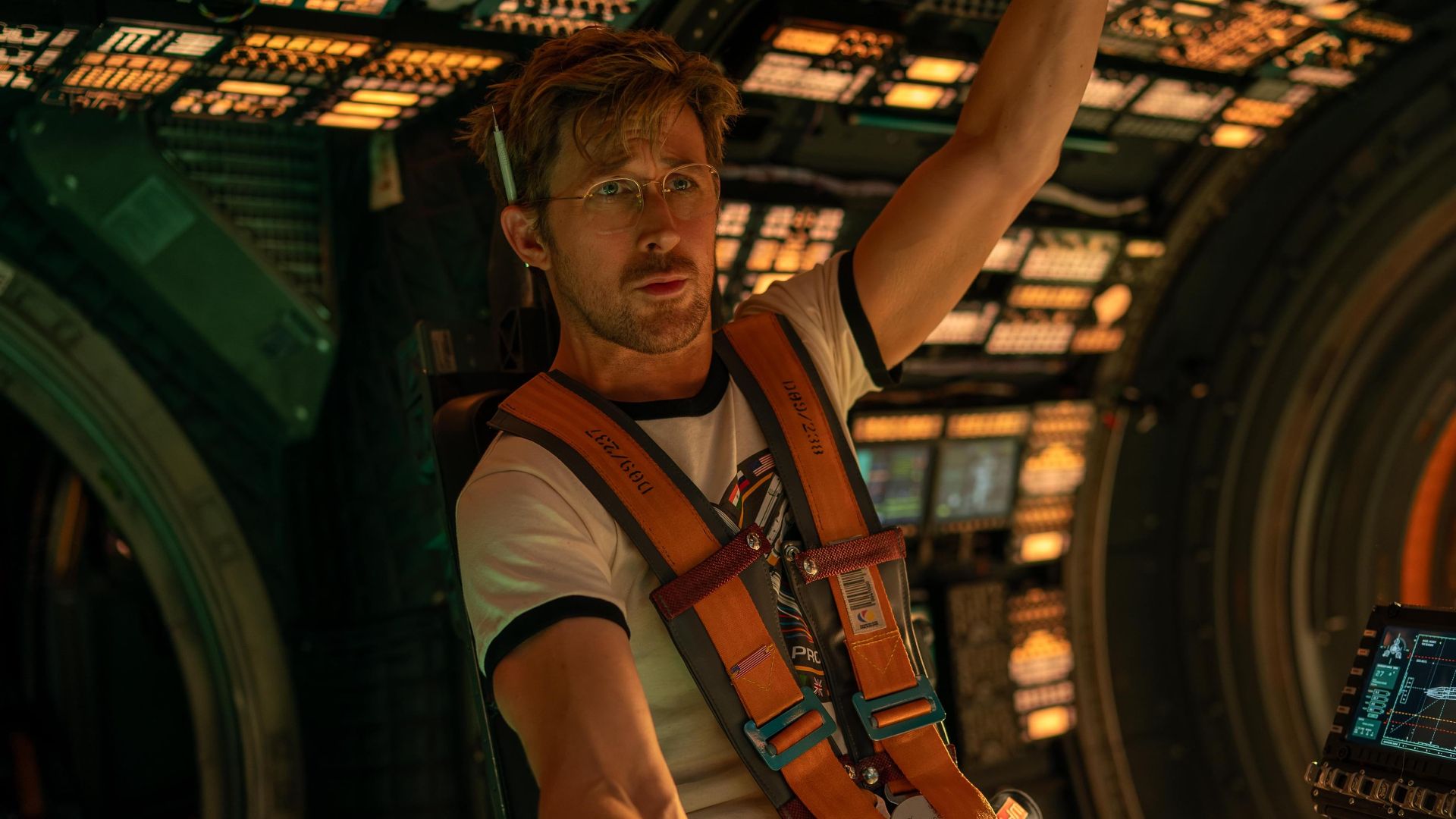
One of the most profound aspects of Barbie is how it integrates commentary on feminism and consumer culture into its narrative. Directed by Greta Gerwig, known for her nuanced storytelling, the film tackles the complexities of gender roles through the lens of a doll long criticized for promoting unrealistic standards of femininity. This critical framing allows the film to provide both critique and celebration, resonating with audiences who may have historically dismissed such narratives within toy-centric films. Margot Robbie’s Barbie and Ryan Gosling’s Ken serve as catalysts for broader discussions on identity and consumerism, pushing viewers to reflect on cultural expectations.
Prior to Barbie’s release, Patty Jenkins’ Wonder Woman set a precedent for female-directed blockbusters. For years, Jenkins held the record for the highest-grossing live-action film directed solely by a woman, a milestone that served as both an inspiration and a limitation for future female filmmakers. While Jia Ling’s Hi, Mom briefly took this title, it was Barbie that broke new ground by not only dethroning Jenkins’ film but achieving a box office milestone—crossing the $1 billion mark within weeks of its release. This shift highlights changing perceptions of female directors and the significance of their narratives in mainstream cinema. Gerwig's accomplishments demonstrate a move toward acknowledging and celebrating women's contributions to film, which remains a burgeoning narrative in the industry.
The staying power of Barbie at the box office can be largely attributed to remarkable word-of-mouth marketing and critical acclaim. Dropping less than half its audience each weekend post-release, the film’s longevity can be seen as a consequence of its complex narrative and effective humor. Audiences found common ground in the film’s exploration of identity, leading to an overwhelmingly positive reaction that further fueled ticket sales. Critics praised the film for its ability to blend comedy with significant social commentary, making it relatable to diverse viewers, which is a noteworthy achievement for a film based on a toy.
Barbie’s unprecedented success has left a lasting impact on the film industry, emphasizing the potential of female-driven narratives in commercial cinema. The film's achievements have positioned it as a blueprint for future projects, connecting themes of gender representation, cultural critique, and social commentary within a framework that appeals to a broad audience. As Warner Bros. looks to secure a sequel amidst its success, the stakes extend beyond corporate profits; they encompass the broader conversation around women in cinema and storytelling.
Ultimately, Barbie represents a watershed moment in cinema history, challenging preconceived notions of what a film based on a toy can achieve. By intertwining humor with significant societal themes, it sets a precedent for films led by female directors. The dual success in box office and cultural discourse underscores a promising future for women in film, expanding the landscape of mainstream cinema and transforming how stories can redefine identity and consumer norms.
As of 2026, there are ongoing negotiations around a potential sequel to Barbie, with Warner Bros. facing a deadline to finalize agreements with Gerwig and the original cast. If these negotiations falter, Mattel might reclaim rights to the franchise, potentially rebooting it without the creative force of Gerwig and her team. This scenario would significantly alter the trajectory of the successful franchise and could provide insights into the evolving dynamics of studio filmmaking and creative ownership.
This analysis of Barbie interweaves box office triumphs with culturally relevant themes, emphasizing the need for authentic storytelling that resonates across generational divides. As audiences reflect on the film’s impact, it stands as a testament to the complexities of gender representation in contemporary cinema.
Movie explanation
EpisodeBreakdown may use automated tools to assist research, drafting, and formatting. Published pages are governed by our editorial and corrections policies, and source links are shown when they are available in the article record.
Discovery source: ComicBook.com. The source identifies where the topic was discovered; EpisodeBreakdown is responsible for the commentary published on this page.
Reader response
Reactions and poll results are based on real reader responses. No account is required.
Director Simon McQuoid discusses the creative direction behind 'Mortal Kombat II', now available on digital and 4K UHD Blu-ray.