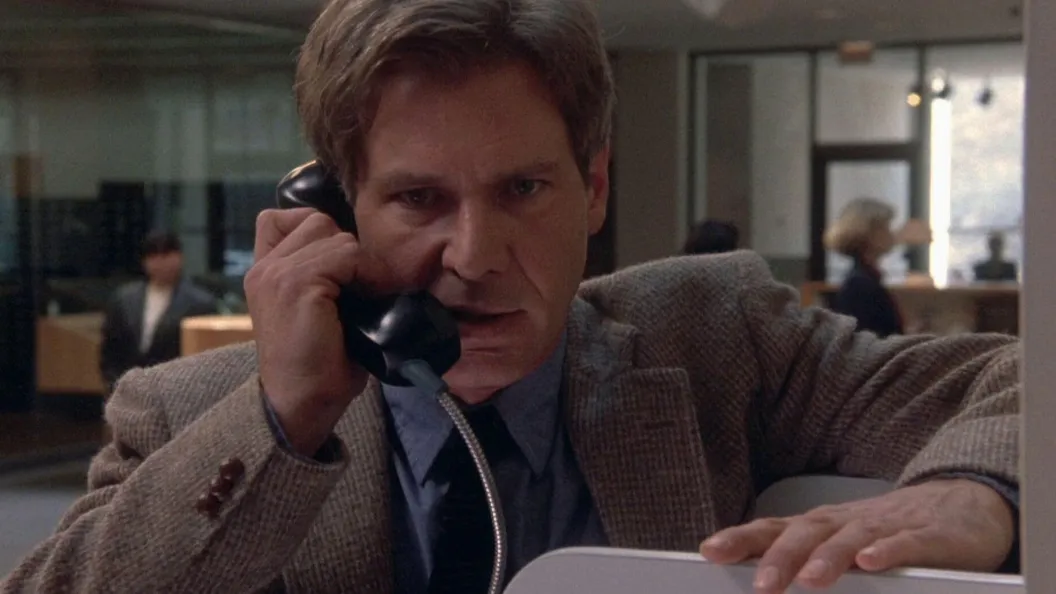
Harrison Ford’s 1993 thriller The Fugitive is part of a decades-old franchise that began with a 1960s TV show. Warner Bros. tried to make a sequel in 1998 without Ford, but it flopped with mixed reviews and low box office.
Harrison Ford’s 1993 Thriller Was Part of a 1960s TV Franchise
Harrison Ford’s The Fugitive (1993) is part of a franchise that began decades earlier with a 1960s television series. The film, which released on August 6, 1993, follows Dr. Richard Kimble, a man wrongfully accused of murdering his wife, who escapes prison and races to prove his innocence. Despite its iconic status, many fans don’t realize the film is part of a larger franchise that started in the 1960s.
The TV series The Fugitive premiered on ABC on September 17, 1963, starring David Janssen as Kimble. The show’s opening narration describes Kimble’s journey after being sentenced to Death Row, having been found guilty despite claiming a one-armed man murdered his wife. By the start of the series, Kimble had been in prison for six months with all appeals failing. A train wreck gave him the chance to escape, leading him on a run to prove his innocence.
The TV series ran for four seasons, with its 120th and final episode airing on August 29, 1967. It won the Emmy for Outstanding Dramatic Series in 1966 and is now considered one of the best TV shows of all time. The show’s popularity endured long after its initial run, leading to a 1988 film remake starring Ford.
Warner Bros. Made a 1998 Sequel Without Ford
After The Fugitive (1993) became a critical and commercial success—earning $368.9 million against a $44 million budget—Warner Bros. began developing a sequel. However, Ford declined to reprise his role, citing that the scripts weren’t compelling enough. The studio proceeded without him, focusing instead on Tommy Lee Jones’ character, Chief Deputy U.S. Marshal Samuel Gerard.
The sequel, U.S. Marshals, released on March 6, 1998, follows Gerard and a State Department officer tracking down Mark Sheridan (played by Wesley Snipes), a fugitive who escaped after a plane crash. The film made $102.4 million against a $45 million budget and received mixed-to-negative reviews, holding only 31% on Rotten Tomatoes.
Why the Sequel’s Failure Matters
U.S. Marshals is rarely discussed today and has largely faded from memory, unlike its predecessor. Many fans of The Fugitive remain unaware of the sequel’s existence, and the film’s box office performance suggests audiences in the 1990s didn’t care about its existence. The sequel’s failure highlights how Ford’s absence from the franchise impacted its reception and legacy.
The 1993 film remains a cultural touchstone, with 96% on Rotten Tomatoes and enduring appeal. In contrast, U.S. Marshals has become a footnote in the franchise’s history, illustrating how a single actor’s decision can reshape a franchise’s trajectory.
The Franchise’s Legacy Today
While The Fugitive (1993) is still celebrated as one of Ford’s best films, the franchise’s history is often overlooked. The TV series’ legacy has been preserved through reairings on platforms like Quibi, but the 1998 sequel has largely disappeared from public memory.
ComicBook.com’s Clay Pitman, a contributor to the Movies & TV team, notes that the franchise’s history is a reminder of how television and film franchises can evolve over decades. The 1960s series’ influence on the 1993 film—and the subsequent sequel’s failure—underscores the importance of actor involvement in shaping a franchise’s success.
Harrison Ford’s 1993 Thriller Was Part of a 1960s TV FranchiseWarner Bros. Made a 1998 Sequel Without FordWhy the Sequel’s Failure MattersThe Franchise’s Legacy Today
EpisodeBreakdown may use automated tools to assist research, drafting, and formatting. Published pages are governed by our editorial and corrections policies, and source links are shown when they are available in the article record.
Discovery source:ComicBook.com. The source identifies where the topic was discovered; EpisodeBreakdown is responsible for the commentary published on this page.
Reader response
What did you think?
Be the first to react
Reactions and poll results are based on real reader responses. No account is required.
Continue the story
movies
The Hunger Games: Sunrise on the Reaping Posters Shock Fans With Capitol Propaganda
New Capitol-themed posters for The Hunger Games: Sunrise on the Reaping have appeared in NYC, London, LA, and Mexico City, sparking reactions from fans who describe the marketing as unsettlingly authentic to the dystopian world.Read next →