Marvel has reportedly confirmed that Avengers: Endgame Encore will debut in theaters on Sept. 25 with different runtimes for Infinity Vision and IMAX audiences, sparking fan concerns about potential retcons and accessibility.
Marvel Confirms Divided Runtimes for Avengers: Endgame Encore
Marvel has reportedly confirmed that Avengers: Endgame Encore—a re-released, extended cut of Avengers: Endgame—will debut in theaters on September 25 with varying runtimes depending on the audience's theater type. According to The Direct, audiences at Disney-certified Infinity Vision theaters or IMAX screenings will receive a version of the film running 3 hours, 6 minutes, and 9 seconds, while all other theaters will show a cut lasting 3 hours, 3 minutes, and 9 seconds. This difference amounts to three additional minutes of content for Infinity Vision and IMAX viewers, which The Direct suggests likely includes new scenes.
The announcement follows earlier speculation that Endgame Encore would add approximately four minutes of footage to the original film, though this had not been officially confirmed. Marvel has now clarified that the extended runtime will not be a straightforward re-release but will include additional material, potentially addressing the gap between Avengers: Endgame and the upcoming Avengers: Doomsday.
The Controversy Over Retcons and Fan Expectations
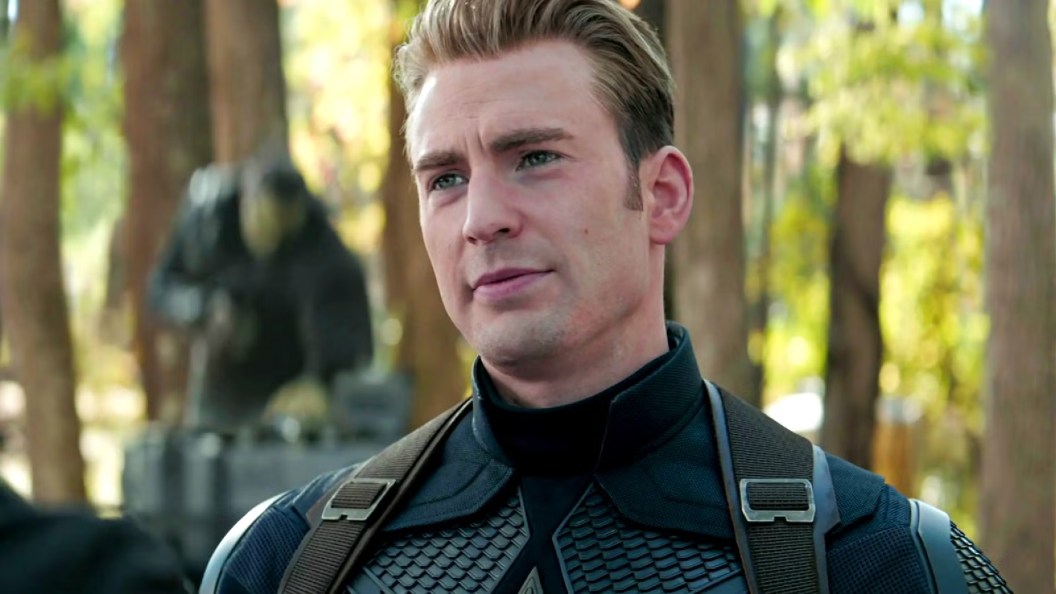
This decision has already drawn criticism from MCU fans who worry it could force a retcon of Endgame's ending to align with Doomsday. In the original film, Steve Rogers stayed in the past after returning the Infinity Stones to their rightful places and grew old with Peggy Carter before appearing as an elderly man at the film's conclusion. However, Doomsday teasers have revealed that Steve appears nearly unchanged from his Endgame self, creating confusion about his timeline.
Many fans have speculated that Endgame Encore might resolve this discrepancy by including Steve Rogers in a new timeline or alternate reality. The article notes that this addition could explain Steve's apparent return without retconning the original ending, though it would still require significant narrative adjustments to bridge Endgame and Doomsday.
Why This Matters for MCU Fans
The split runtime strategy has raised concerns about accessibility and fan frustration. While Marvel has positioned Endgame Encore as a bridge between Endgame and Doomsday, the decision to limit the extended content to specific theater types could alienate audiences who feel the film's purpose is to provide a natural transition rather than a forced connection.
This approach has not been announced by Marvel, but the article suggests it may be a response to fan backlash over Doomsday's ambiguous portrayal of Steve Rogers. The split runtime could be seen as a way to manage expectations while avoiding a full retcon, though it risks further confusion for viewers who do not attend Infinity Vision or IMAX screenings.
Potential Impact on Future MCU Releases
The controversy highlights the challenges Marvel faces in balancing narrative consistency with audience expectations. Endgame Encore is intended to serve as a bridge to Doomsday, but the split runtime could complicate this goal by creating two distinct versions of the same film. If the additional scenes include Steve Rogers, it might resolve the timeline confusion but could also lead to further fan debates about whether the changes are necessary or excessive.
Marvel has not yet clarified whether the extra scenes will address Steve Rogers' timeline or other plot points. However, the article notes that the decision to offer different runtimes aligns with recent trends in the MCU, where theaters have increasingly used specialized screenings to enhance the viewing experience.
Marvel Confirms Divided Runtimes for Avengers: Endgame EncoreThe Controversy Over Retcons and Fan ExpectationsWhy This Matters for MCU FansPotential Impact on Future MCU Releases
EpisodeBreakdown may use automated tools to assist research, drafting, and formatting. Published pages are governed by our editorial and corrections policies, and source links are shown when they are available in the article record.
Discovery source:ComicBook.com. The source identifies where the topic was discovered; EpisodeBreakdown is responsible for the commentary published on this page.
Reader response
What did you think?
Be the first to react
Reactions and poll results are based on real reader responses. No account is required.
Continue the story
movies
Harrison Ford’s 1993 Thriller Was Part of a 1960s TV Franchise, and Its Sequel Flopped Without Him
Harrison Ford’s 1993 thriller The Fugitive is part of a decades-old franchise that began with a 1960s TV show. Warner Bros. tried to make a sequel in 1998 without Ford, but it flopped with mixed reviews and low box office.Read next →