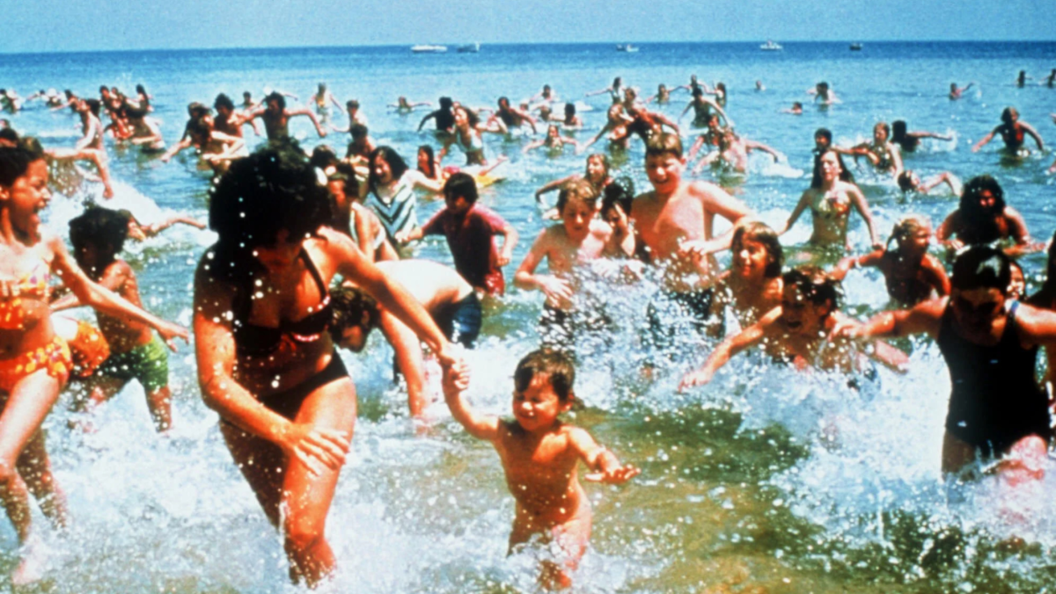
Universal Pictures' 1975 classic Jaws and its sequels will leave Peacock streaming on September 30, marking the end of the film's digital availability after 50 years of cultural impact.
Universal's 1975 Classic Jaws Ends Peacock Streaming on September 30
ComicBook.com reports that Universal Pictures' 1975 blockbuster Jaws and its sequels will cease streaming on Peacock on September 30, ending the digital availability of the franchise after five decades. The announcement follows the film's legacy as the first true summer blockbuster and its enduring influence on Hollywood's marketing strategies.
The news comes as Universal prepares for the film's 50th anniversary, with Jaws having been a cultural touchstone since its 1975 release. The franchise includes Jaws (1975), Jaws 2 (1978), Jaws: The Revenge (1987), and Jaws 3-D (1983), all of which have been available on Peacock since their initial theatrical runs.
The Film's Historic Impact on Summer Blockbusters
Jaws redefined the summer blockbuster genre, becoming the first film to achieve massive box office success through strategic marketing. The movie earned over $100 million at the time, breaking records and establishing the template for future summer releases. Universal spent $1.8 million on marketing, including $700,000 on national television spots, a then-unprecedented investment that included prime-time ads airing two nights before the film's release.
The film's marketing campaign was groundbreaking for its time, with Universal creating a wide array of merchandise, including t-shirts, soundtrack albums, books, toy sharks, and even a Jaws video game. These efforts helped establish the modern practice of blockbuster movie merchandising, which has since evolved into today's themed popcorn buckets and other consumer products.
Streaming Transition and Anniversary Celebrations
The decision to end Peacock streaming for Jaws and its sequels coincides with Universal's anniversary celebrations. The studio re-released Jaws in theaters for its 50th anniversary, complete with a shark-themed popcorn bucket—a nod to the film's enduring cultural relevance. This theatrical re-release highlights the franchise's lasting impact on cinema and its ability to attract audiences decades after its initial release.
Why This Matters for Film History
The end of Jaws on Peacock marks a significant moment in film history, as the franchise was instrumental in shaping the modern blockbuster model. Its marketing strategies and merchandising tactics set precedents that continue to influence how studios promote major releases today. The film's legacy is further cemented by its role in the evolution of movie merchandising, which has grown from simple toys and posters to complex, multi-platform experiences.
The streaming cutoff on September 30 also reflects Universal's strategy to transition Jaws back to theatrical releases for its anniversary celebrations. This move ensures that the film remains accessible to audiences in a way that honors its historical significance while preparing for future re-releases.
Historical Context and Legacy
Jaws was released during a time when Hollywood was still developing its approach to summer blockbusters. The film's success demonstrated that a single, well-crafted movie could dominate the summer season and set the stage for future franchises. Its influence extends beyond box office success, as it helped establish the modern practice of using marketing campaigns to build anticipation for major releases.
The franchise's transition from theatrical to streaming and back to theatrical for its anniversary underscores the evolving relationship between film studios and audiences. Universal's decision to end Peacock streaming for Jaws reflects a broader trend of studios re-evaluating their digital strategies to prioritize theatrical experiences for milestone releases.
Why This Update Matters Now
For fans of classic cinema, the September 30 streaming cutoff provides a clear deadline to access Jaws and its sequels before they become unavailable on Peacock. The film's anniversary celebrations also offer a chance to revisit the franchise's cultural impact, which has been celebrated by audiences and critics alike for over 50 years.
The end of Jaws on Peacock highlights the changing landscape of film distribution, as studios balance the need to preserve classic content with the growing demand for streaming services. This transition also serves as a reminder of how Jaws helped shape the modern blockbuster model, which continues to influence how movies are marketed and consumed today.
Universal's 1975 Classic Jaws Ends Peacock Streaming on September 30The Film's Historic Impact on Summer BlockbustersStreaming Transition and Anniversary CelebrationsWhy This Matters for Film History
EpisodeBreakdown may use automated tools to assist research, drafting, and formatting. Published pages are governed by our editorial and corrections policies, and source links are shown when they are available in the article record.
Discovery source:ComicBook.com. The source identifies where the topic was discovered; EpisodeBreakdown is responsible for the commentary published on this page.
Reader response
What did you think?
Be the first to react
Reactions and poll results are based on real reader responses. No account is required.
Continue the story
movies
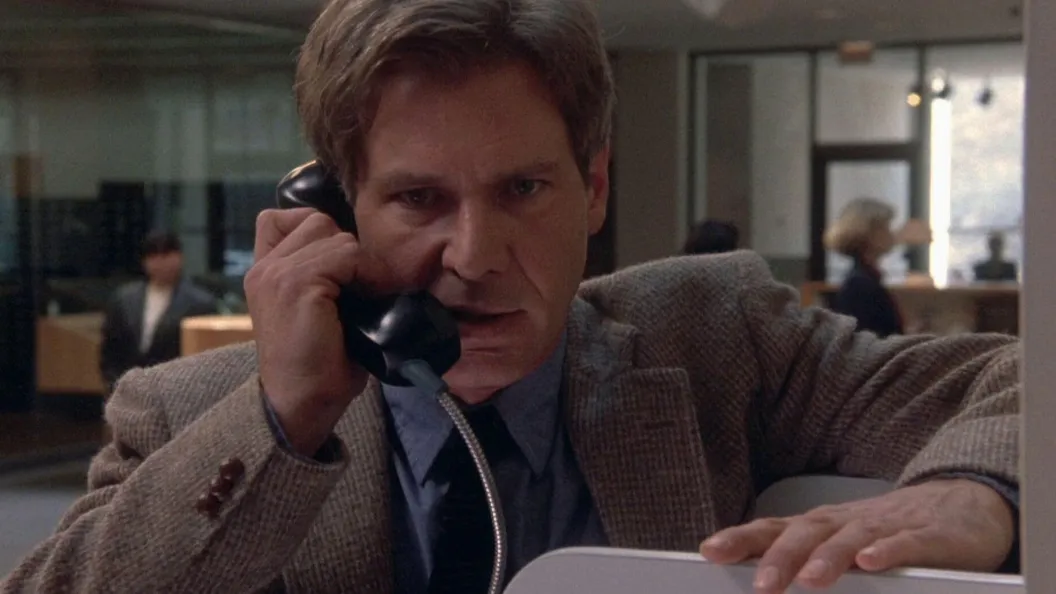
Harrison Ford’s 1993 Thriller Was Part of a 1960s TV Franchise, and Its Sequel Flopped Without Him
Harrison Ford’s 1993 thriller The Fugitive is part of a decades-old franchise that began with a 1960s TV show. Warner Bros. tried to make a sequel in 1998 without Ford, but it flopped with mixed reviews and low box office.Read next →