test
asdasd
Explore how the controversial divorce plotline in 'Rhoda' led to its downfall despite initial success.
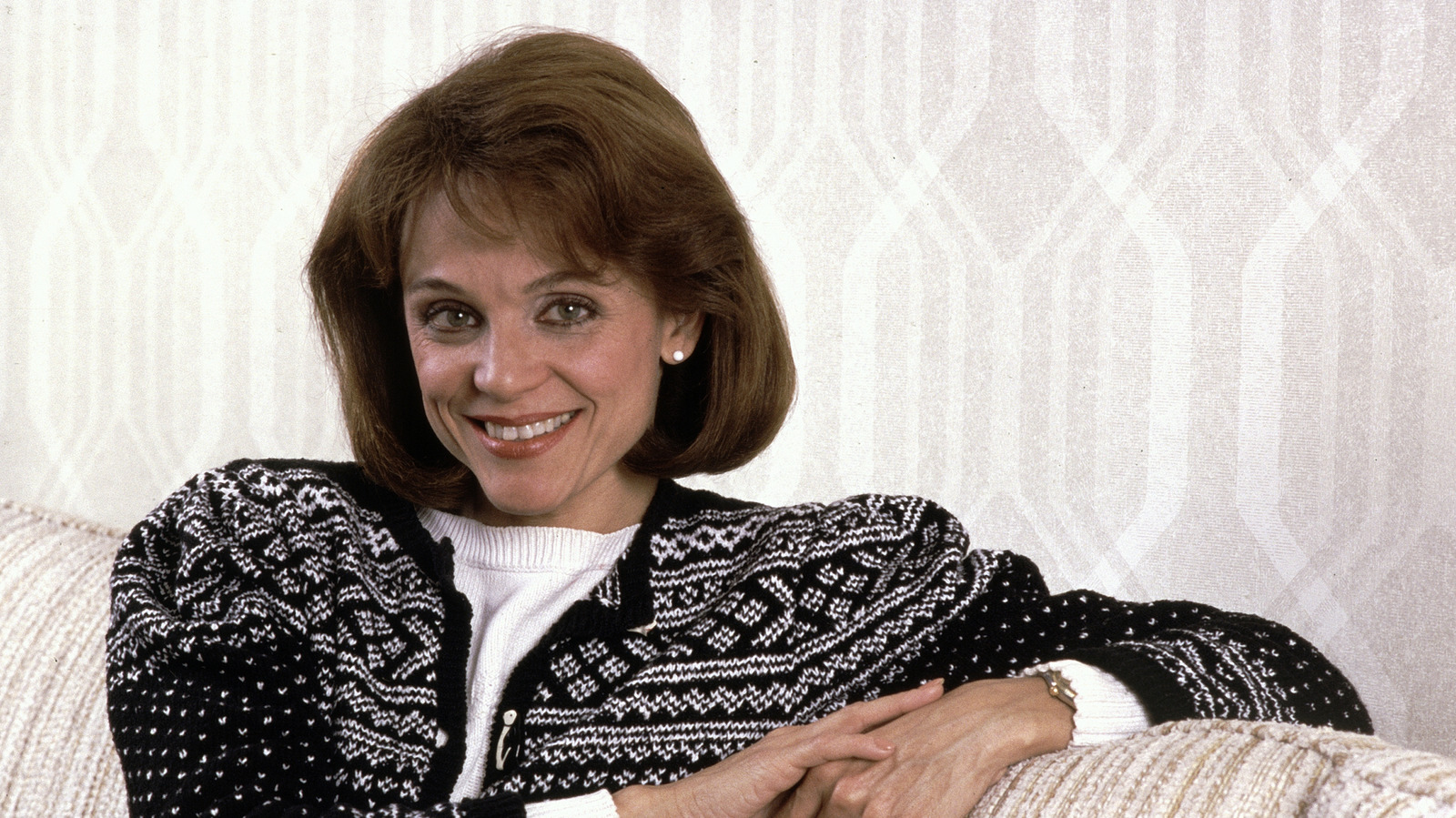
In simple terms, the spin-off series "Rhoda" met an untimely end largely due to its creators’ risky narrative choice: the divorce of its central character, Rhoda Morgenstern. Initially a ratings powerhouse for CBS, the show could not withstand the backlash from viewers against this pivotal and controversial storyline.
Despite a strong start, with the wedding episode being among the most-watched of the time, the show's creators believed that splitting Rhoda from her husband Joe would open new narrative doors. However, this decision backfired spectacularly, confirming what many critics and fans felt: not every big change translates to better television.
When "Rhoda" debuted, it captured audiences' hearts, largely influenced by its predecessor, "The Mary Tyler Moore Show." The show soared to high viewership, earning accolades quickly; the pilot and subsequent episodes showcased what viewers loved about the character Rhoda.
The initial seasons enjoyed high ratings, and CBS was eager to expand the franchise to include a possible new show featuring Rhoda's sister, Brenda. The network even negotiated a significant pay increase for lead actress Valerie Harper, demonstrating the show's perceived untouchability at that time. With such promising beginnings, the show's decline felt swift and shocking to many.
However, everything changed during Season 3, when the writers took the fateful decision to separate Rhoda and Joe. Though the intention was to allow for richer storytelling—liberating Rhoda from the constraints the marriage imposed—viewers reacted poorly. Many felt betrayed by this alteration to a beloved character’s life, leading to a noticeable drop in ratings.
Charlotte Brown, one of the show's writers, acknowledged the drastic shift in viewer sentiment: “We thought we lost a lot of Rhoda's vulnerability when she got married.” This indicates that while the creative team may have aimed to explore new themes, they underestimated the emotional investment fans had in Rhoda's marriage.
As Season 3 progressed, viewership declined sharply. Fans inundated the writers with letters expressing discontent, and the negative feedback reached a crescendo as the series unfolded. Actor David Groh, who played Joe, mentioned being directly confronted by fans who were upset with his character's decision to leave Rhoda.
This backlash proved fatal; many viewers felt a sense of loss associated with Rhoda’s divorce, leading to the sentiment that if Rhoda could not make her marriage work, then many viewers felt hopeless regarding their own lives. Harper herself acknowledged the emotional disconnect that resulted from this storyline, echoing the feelings of many distressed viewers.
Despite the initial ratings slump due to the divorce, there was a brief resurgence during Season 4, attributed to the return of Rhoda's mother, Ida. Yet, as the show continued to navigate the fallout from the divorce, ratings ultimately plummeted again. By Season 5, it was clear that the show’s attempts to salvage its image were futile.
The consensus among key cast and crew members revealed that the divorce narrative hurt the show's appeal more than any external changes, including its new timeslot. Brown's defense was transparent: the divorce was a misstep—it distanced the character from her core audience and diminished her relatability.
"Rhoda" serves as a cautionary tale about the risks involved in dramatic shifts in storytelling, particularly when changing the trajectory of beloved characters. Often, series thrive on the emotional connections viewers form with characters, and breaking those ties can lead to irreparable damage. As Valerie Harper put it, the series lost many viewers due to the separation, indicating a lesson for future television producers on maintaining character integrity.
The focus on low-brow humor and shifts in audience preferences in later seasons also contributed to the show's decline; however, the divorce storyline remained the critical turning point.
The cancellation of "Rhoda" underscores the delicate balance creators must maintain when crafting narratives in television. Decisions that seem innovative or daring can backfire, especially when they risk alienating the core audience. The collective experience of the creative team, the actors, and the viewers provides a thorough insight into why sometimes, sticking to the essence of a character is essential for maintaining a show's longevity.
Despite moments of regained viewership, the emotional toll taken by the divorce continued to resonate poorly with audiences as the series concluded. For future sitcom creators, the reality remains: understanding and nurturing the relationship between characters and their audience is imperative for successful storytelling.
For further reading on character dynamics and audience reactions, see our breakdowns on other notable series decisions: Exploring the Sapphic Spin on 'Secretary' in a Live Reading, The Boys Faces Viewership Decline Ahead of Vought Rising, and How Season Two of 'Batman: Caped Crusader' Reimagines Gotham.
Story breakdown
EpisodeBreakdown may use automated tools to assist research, drafting, and formatting. Published pages are governed by our editorial and corrections policies, and source links are shown when they are available in the article record.
Discovery source: TVLine. The source identifies where the topic was discovered; EpisodeBreakdown is responsible for the commentary published on this page.
Reader response
Reactions and poll results are based on real reader responses. No account is required.