
Bear McCreary Explores Music's Role in Storytelling Across Mediums
Bear McCreary delves into his musical inspirations and the significance of scoring in storytelling across film and gaming.
Discover the themes, character dynamics, and overlooked nuances of Paul Newman's whimsical Western comedy, streaming for free now.
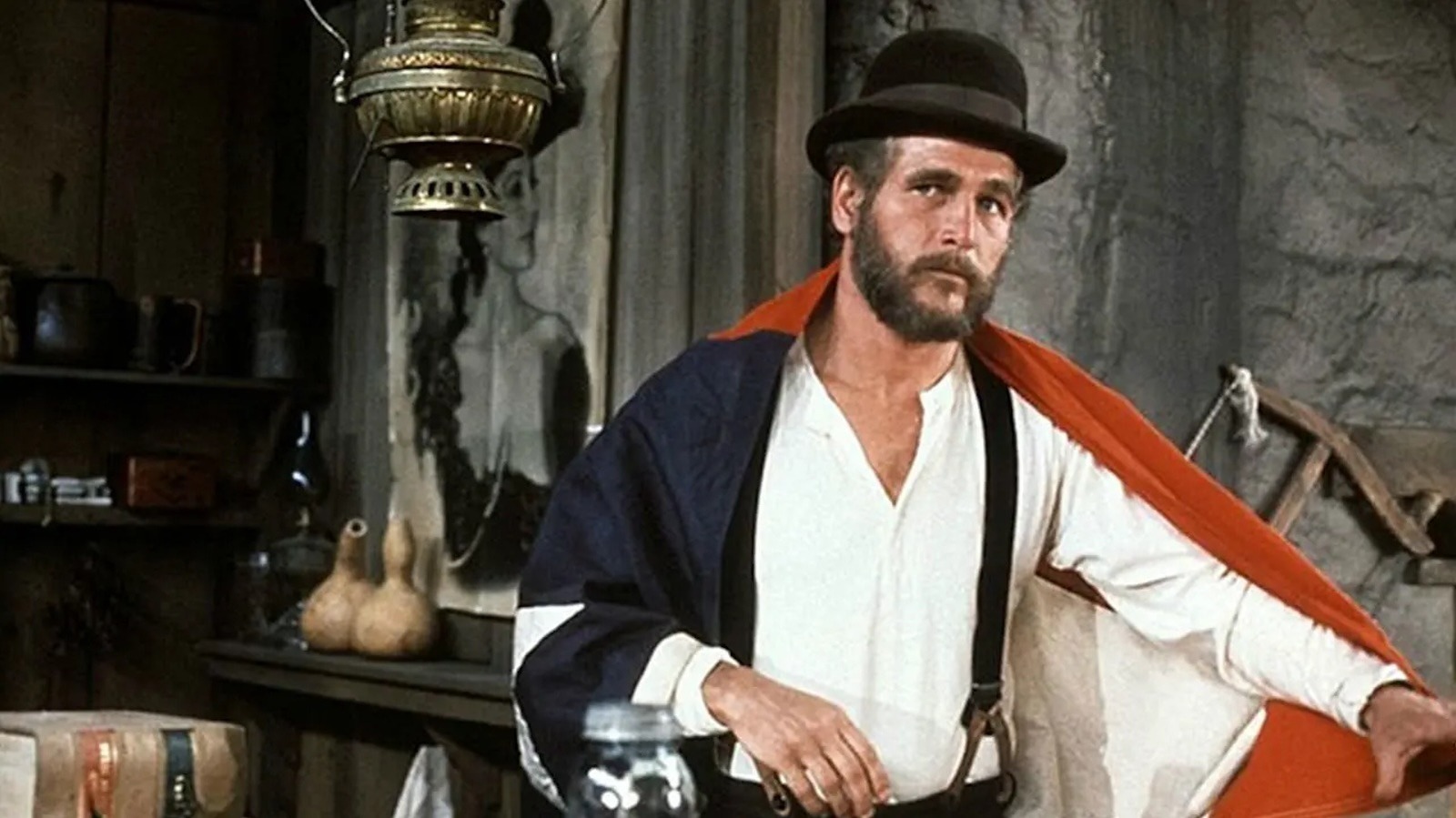
What is often overlooked today about Paul Newman’s 1972 film, 'The Life and Times of Judge Roy Bean,' is whether or not it retains its charm and comedic impact in a contemporary setting. In simple terms, the film is surprisingly relevant, primarily due to Newman's charisma and the quirky ensemble cast, which offers a compelling mix of humor and social commentary. Although it may feel dated in some respects, its charm remains, allowing viewers to enjoy the film as a unique artifact of its era.
The character of Judge Roy Bean, portrayed by Newman, is a self-proclaimed justice of the peace in a lawless Texas, a role that seeks to explore the American spirit of individuality and lawlessness. He operates outside conventional boundaries, a direct embodiment of American exceptionalism and rugged independence. This characterization raises profound questions about morality and justice, pivotal themes woven throughout the narrative.
Despite the comedic tone, Bean’s antics, such as executing someone in retaliation for a trivial offense, reveal a darker aspect of his character that can be unsettling. This contrast begs the question of how far one can stretch the comedy genre before it becomes a critique of its own subject matter.
John Milius, known for his colorful dialogue, penned a script that, while layered with humor, veered towards creating an almost mythical figure in Bean. Milius originally envisioned Bean as a morally complex, driven character akin to a real Western antihero. However, director John Huston's approach softened this portrayal, embedding more humor and whimsy which, according to Milius, was a dilution of his intent.
Huston’s direction and Milius’s script allow for an exploration of the absurd, with scenes often morphing into slapstick moments. This tonal shift can lead to mixed interpretations today; what was once amusing may feel jarring in an age that grapples with the implications of law enforcement and vigilante justice.
At its core, 'The Life and Times of Judge Roy Bean' unabashedly tackles themes of justice and personal morality. The film engages viewers in a conversation about authority and its abuses, showcasing how the line between protector and perpetrator blurs in the hands of someone like Bean. For instance, his confrontation with corrupt figures often oscillates between comedy and tragedy, raising questions about whether his actions can ever truly be justified.
The film immerses its viewers in the Western mythos, with Bean embodying the archetype of a Western hero—albeit a flawed and troubled version. This layered portrayal invites the audience to contemplate the responsibilities that come with power and the complexities of enforcing one’s own version of justice.
The film closes on a poignant note, drawing a parallel to its earlier comedic beats while reinforcing the tragic irony of Bean’s existence. Despite moments of levity, the closing scene encapsulates a sense of melancholy, serving as a reminder that the chaos of lawlessness often yields heavier costs than anticipated.
The cameos by well-known actors, including Ava Gardner, add to the film's reflective quality. As viewers witness the consequences of Bean's personal brand of justice, it prompts an introspective look at how far one could go to uphold a personal ideal. It marries the historical with the fictional, leading to a closing interpretation that feels both fulfilling and tragic, encapsulating the essence of the Western genre itself.
What makes 'The Life and Times of Judge Roy Bean' noteworthy today is its unique blend of humor, charisma, and thematic depth. Though overshadowed by other iconic films of the '70s, it offers a refreshing take on the Western genre. It serves as a cultural snapshot that resonates with modern viewers when dissecting the themes of justice and morality.
With its eclectic performances and charmingly dated aesthetics, the film can be reassessed as an ironic commentary on the Western mythos rather than just a straightforward comedy. For those interested in exploring more about how the Western genre addresses themes of righteousness, similar films like 'Butch Cassidy and the Sundance Kid' are also worth examining.
For a deeper dive into the interplay of law and personal morals in cinema, you might consider exploring The Odyssey: Record-Breaking Run at Alex Theatre or M. Night Shyamalan: From Dark Times to a Cautionary Tale.
In conclusion, 'The Life and Times of Judge Roy Bean' remains an essential film for both historical context and thematic exploration. Its approach to humor, character development, and societal commentary allows it to stand as a unique piece of cinematic history. As it streams for free, new audiences have the opportunity to appreciate its complex dance between comedy and the sometimes grave realities of self-governance, making it a worthy revisit for fans of the genre and film scholars alike.
By engaging with this film, viewers can explore questions about authority and morality in the fun and sometimes absurd world of Judge Roy Bean, ultimately leading to a richer understanding of the legacy of Western cinema.
Movie explanation
EpisodeBreakdown may use automated tools to assist research, drafting, and formatting. Published pages are governed by our editorial and corrections policies, and source links are shown when they are available in the article record.
Discovery source: Slashfilm. The source identifies where the topic was discovered; EpisodeBreakdown is responsible for the commentary published on this page.
Reader response
Reactions and poll results are based on real reader responses. No account is required.