Analyzing the Adaptation of 'The Final Girl Support Group'
Explore the upcoming adaptation of Grady Hendrix's horror novel and its implications for the genre.
Analyzing the themes and character choices in the original Masters of the Universe movie from 1987.
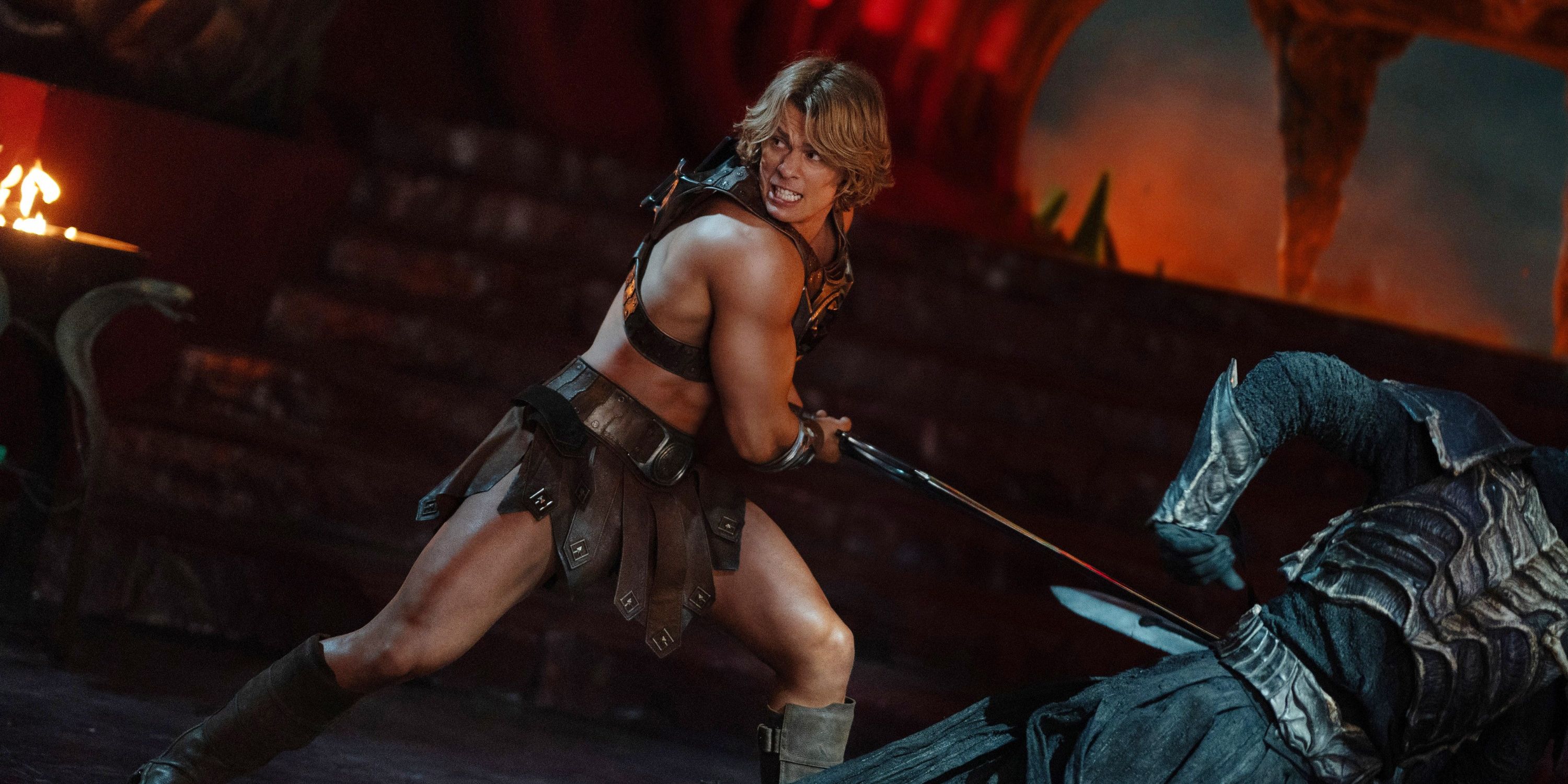
In simple terms, the central question surrounding the original 1987 Masters of the Universe movie is whether it can transcend its initial critical reception and become a beloved cult classic. What happened is that despite a disappointing box office performance and harsh critiques, this film has developed a passionate following among fans, leading to its return to streaming on MGM+.
Here’s what is confirmed: the movie starred Dolph Lundgren as He-Man and Frank Langella as Skeletor, and it was based on the popular Mattel toy line. Upon its release, it earned only $17.3 million against its $20 million budget, leading critics to label it as a lackluster adaptation lacking depth and coherence. Nonetheless, it has found a second life decades later, appealing to both nostalgic viewers and new audiences curious about the He-Man mythos.
At its core, Masters of the Universe presents a classic battle between good and evil, personified by He-Man and Skeletor. When Skeletor acquires the Cosmic Key, a powerful artifact that gives him near-absolute power, the established order is threatened. He-Man, in a quest to reclaim balance, teams up with Gwildor, the creator of the Key, and eventually ends up transporting the conflict to Earth, where it intertwines with the lives of two teenagers, Julie and Kevin.
The film’s themes of heroism, sacrifice, and the battle against tyranny resonate deeply. He-Man embodies the archetype of the noble warrior, while Skeletor represents the corrupting influence of power. However, their conflicts are presented through a rather simplistic lens. This simplification is often criticized, yet it allows viewers to engage in the escapism that fantasy films promise.
A particularly intriguing aspect of Masters of the Universe is its character portrayals, especially that of Skeletor, played by Frank Langella. Critics noted Langella’s commitment to the role, often praising his performance as a highlight of the film. His Skeletor is not just a mindless villain; he is a character driven by a desire for dominion and respect, which complicates the simple dichotomy between good and evil. This depth, while perhaps unintended, adds layers to the narrative that invite analysis.
Conversely, He-Man, portrayed by Lundgren, often seems overshadowed by the villain's charisma. This character choice can be understood as a reflection of 1980s action heroes, who were typically stoic and somewhat one-dimensional. He-Man’s lack of emotional depth contrasts sharply with Skeletor, revealing a skewed power dynamic in character development.
The film's plot hinges on significant turning points that propel it forward. First, the introduction of the Cosmic Key not only serves as the MacGuffin driving the story but also symbolizes the underlying theme of the quest for power. It is during its activation that the film transitions from the world of Eternia to Earth, effectively bridging two realms and heightening stakes.
Key moments, like the discovery of the Key on Earth by Julie and Kevin, shift the narrative from a straightforward battle into a more relatable story featuring young protagonists caught in a fantastical conflict. This blend of science fiction with contemporary life allows for a diverse viewing experience and fosters investment from a younger audience, who may find parallels with their own struggles for identity and belonging.
As Masters of the Universe approaches its conclusion, the stakes rise dramatically. He-Man ultimately confronts Skeletor in a battle that echoes classic hero-villain confrontations. However, rather than resolving the conflict with pure force, the film takes a surprising turn as He-Man's ingenuity plays a pivotal role in regaining control of the Cosmic Key. The resolution feels somewhat rushed, leading to divided opinions on its effectiveness.
The ending reinforces the idea that pure strength is not enough to overcome evil; intellect and heart are equally crucial. This resonates particularly well within the framework of 1980s narratives that often favored brawn over brains. While the resolution may leave some unsatisfied, it parallels other fantasy films of its era, where the hero's journey is fraught with pitfalls and moral lessons.
Despite its rocky start, Masters of the Universe has secured its place in cult film history. The movie has been re-evaluated by audiences who grew up with it and those discovering it anew, leading to its return to streaming services. This resurgence can be attributed to the nostalgia surrounding the He-Man franchise and the growing appreciation for films that, while flawed, offer both entertainment and a glimpse into the cultural zeitgeist of their time.
As the film returns to MGM+, it stands as a testament to how perceptions of entertainment can shift over time. The original Masters of the Universe embodies both the charm and shortcomings of its era, making it a worthy viewing experience for anyone interested in the evolution of fantasy cinema.
In a broader context, this film’s revival invites discussions about its recent reboot and what went wrong with its reception. Though the 2026 reboot earned more at the box office, it fell short against its production budget, which raises questions about audience expectation and adaptation fidelity.
As the original Masters of the Universe returns to streaming, it challenges viewers to reflect on not only its narrative and characters but also on the evolution of storytelling in fantasy films. It serves as both a reminder of the past and a lens through which current cinematic adaptations can be viewed. This development also indicates a growing market for nostalgia-driven content, signaling to studios that there remains a place for revisiting beloved properties in creative ways.
Audiences may find themselves drawn to revisit the movie, emerge with discussions about what it means to embrace the past while looking toward the future of the franchise. For fans of classic fantasy and those interested in character-driven storytelling, this return offers an enticing opportunity to explore the layers and themes of a film often dismissed at first glance.
Movie explanation
EpisodeBreakdown may use automated tools to assist research, drafting, and formatting. Published pages are governed by our editorial and corrections policies, and source links are shown when they are available in the article record.
Discovery source: CBR Movies. The source identifies where the topic was discovered; EpisodeBreakdown is responsible for the commentary published on this page.
Reader response
Reactions and poll results are based on real reader responses. No account is required.

