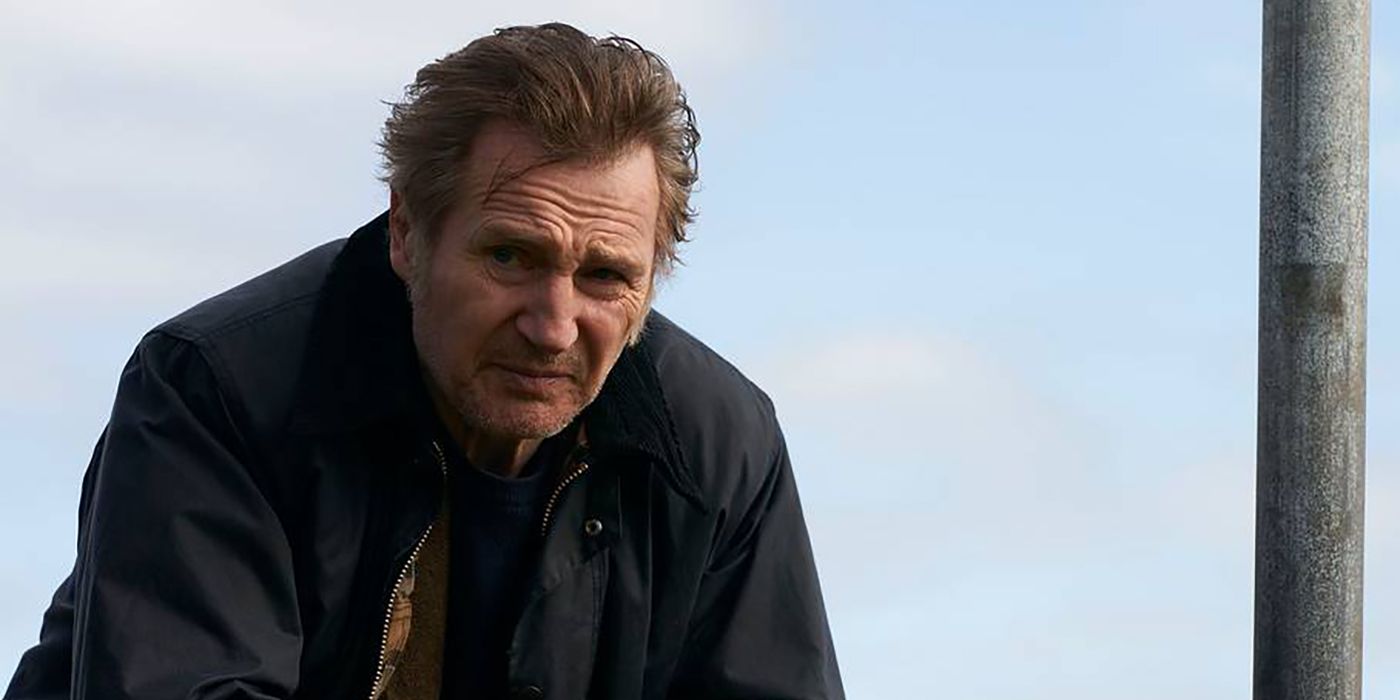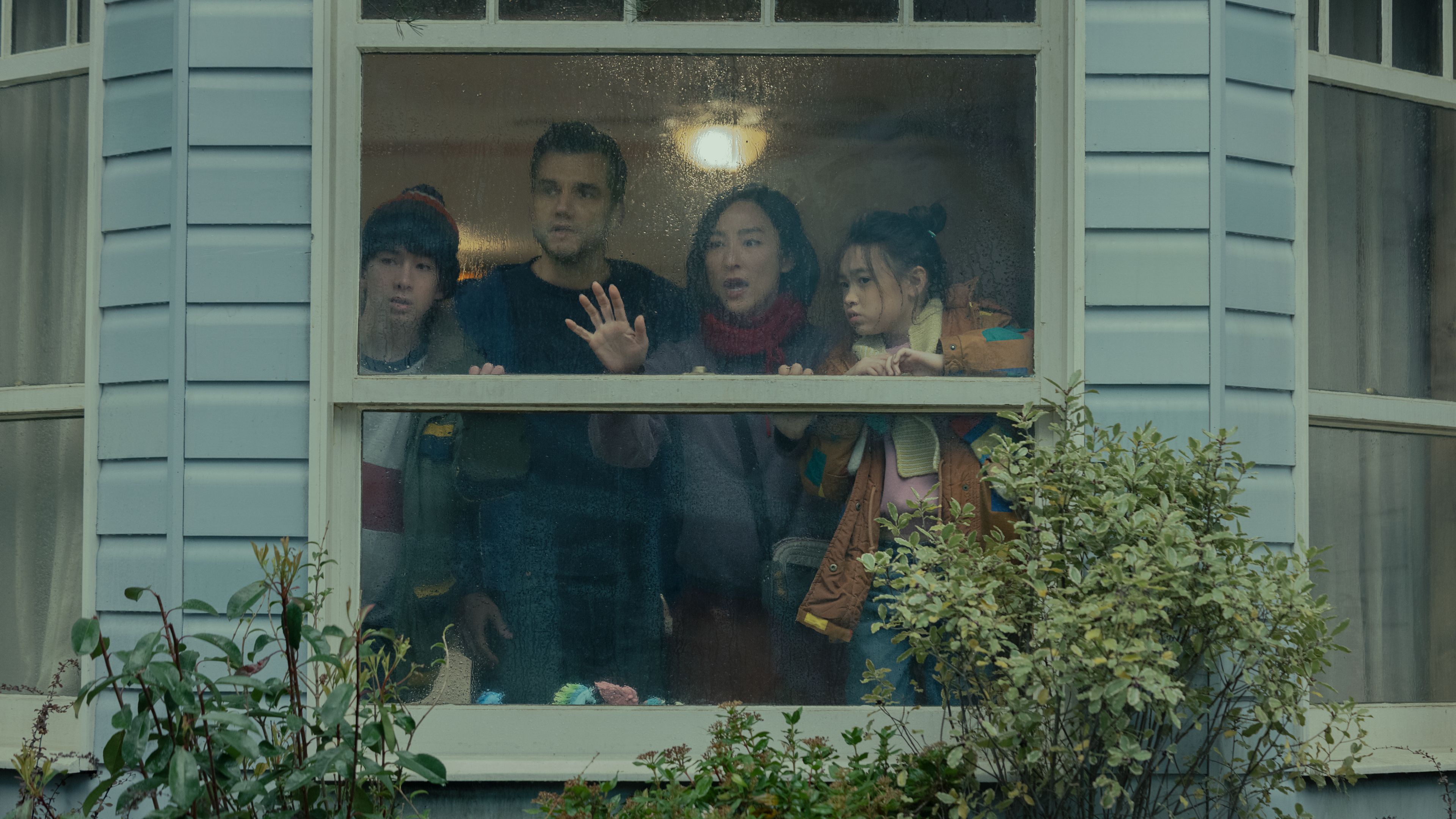
The Last House 2 Chances At Netflix Addressed By Wagner Moura After Shocking Ending
Wagner Moura, the lead in Netflix's *The Last House*, discusses the potential for a sequel after the film's surprising ending.
An analysis of Netflix's adaptation of The Sandman, its themes, characters, and the implications of its Blu-ray release.
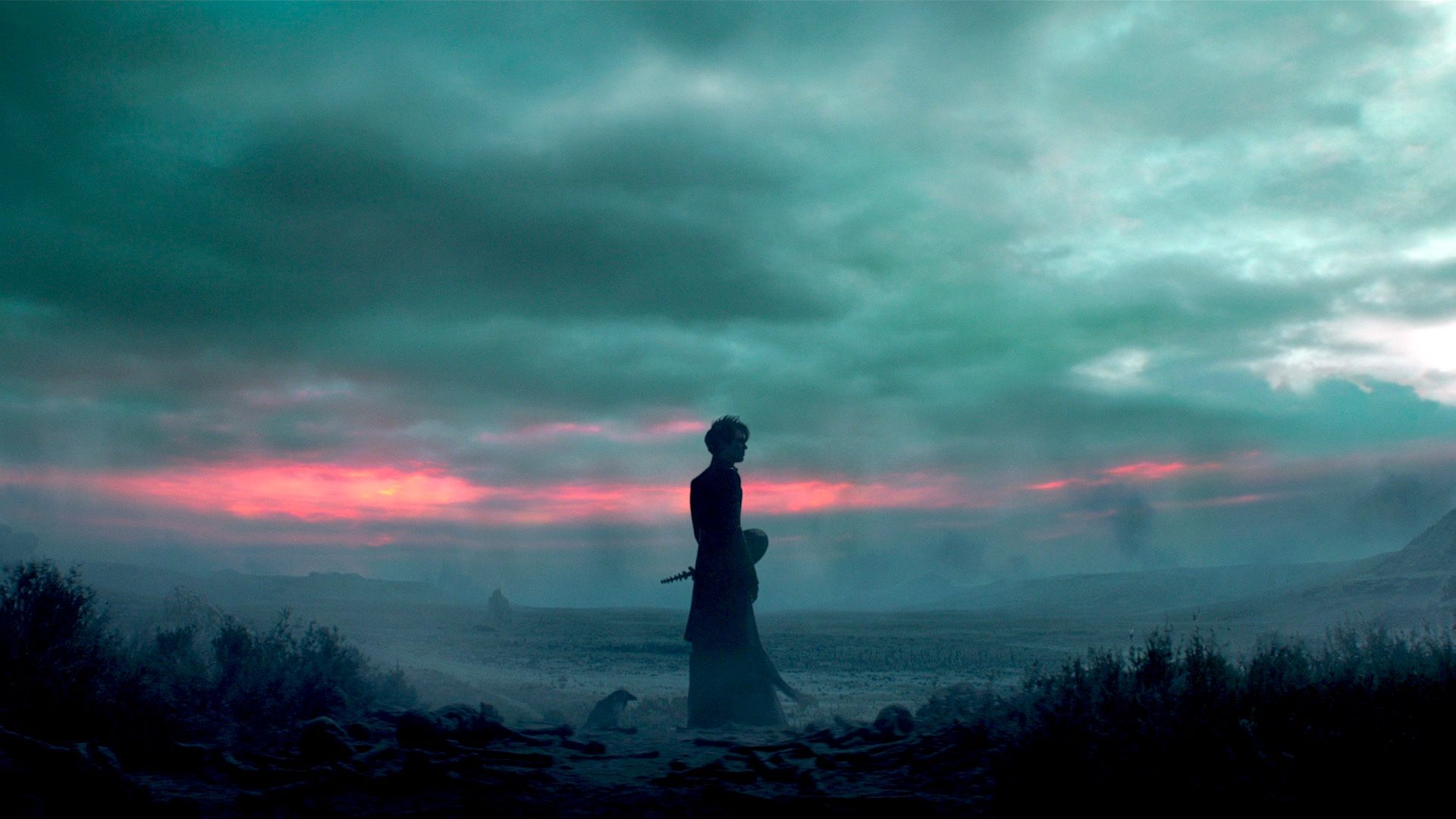
In simple terms, Netflix's The Sandman grappled with themes of dreams, reality, and the complex morality of its characters, drawing from Neil Gaiman's acclaimed comic series. Although the adaptation has been canceled, it offered a rich narrative exploring the nature of dreams and the responsibilities that come with power. Here is what is confirmed: the series initially succeeded in captivating audiences, prompting a second season, which, despite its eventual cancellation prior to release, managed to conclude the narrative effectively.
The core of The Sandman lies in its exploration of dreams and the intricacies of human desires. The title character, Morpheus, also known as Dream, is presented as a detached yet complex figure who governs the realm of dreams. This detachment fosters a deeper exploration of loneliness and the human condition, as Morpheus interacts with various characters across different realms. The show highlights the dichotomy between the realms of dreams and reality, questioning how individuals navigate their inner desires against the backdrop of their waking lives.
One of the most significant turning points in The Sandman occurs when Morpheus faces the consequences of his actions stemming from his lengthy absence from the realm of dreams. As both a ruler and a character, he embodies the struggle between duty and personal identity. His journey is punctuated by a series of encounters that challenge his perceptions and ultimately lead to his evolution. An essential turning point is marked by the reveal of Morpheus's vulnerabilities, pushing audiences to empathize with a seemingly god-like figure, painting him not just as a ruler but as a flawed being.
The Sandman boasts a richly woven tapestry of characters, each serving as a reflection of Morpheus's journey. Key figures, such as Death—Morpheus's sister—bring lightness to the dark themes, showcasing the duality of existence. The choices made by Morpheus, especially his interactions with mortal characters, ultimately reveal the weight of responsibility that comes with his powers. When he engages with others, it is a poignant reminder of the delicate balance between power and consequence.
In confirmed reports, showrunner Allan Heinberg has noted that the show was created with a finite story arc in mind, meaning every character’s journey leads to a well-defined conclusion by the end of the second season, intentionally avoiding narrative fluff often seen in long-running series.
Although The Sandman has concluded, many elements throughout the series serve as clues to the greater themes at play. Recurring visions and dream motifs symbolize the fragility of reality, as seen when characters navigate dreams and the impact those experiences have on their waking lives. Subtle visual cues, such as the use of shadow and light, echo the overarching conflicts within the narrative, underlining the dualities present in Morpheus's existence and the lives of those he influences. These moments offer rich ground for analysis regarding how dreams shape reality, a central question posed by the series.
The series finale aligns with established themes and character arcs, providing a resolution to Morpheus's journey. Confirmed events depict a culmination of moral reckonings and the acceptance of oneself, culminating in a definitive closure. Unlike many series that leave significant plot threads unresolved, The Sandman employs its ending to reflect on the nature of destiny intertwined with free will. As a direct result of the earlier character development and narrated experiences, Morpheus's closure feels earned and thoughtfully crafted.
The adaptation not only did justice to Gaiman's intricate world but also strategically wrapped up multiple arcs, a rare feat, particularly in the landscape of streaming cancellations. Public response, however, was mixed, as Gaiman himself faced misconduct allegations, complicating the series' reception and future. Nonetheless, the preparation of Blu-ray releases now serves as a recovery of lost potential, providing a long-term home for fans.
With the impending Blu-ray release scheduled for October 20, 2026, both seasons of The Sandman will once again be accessible, albeit in a tangible form. This release not only preserves Gaiman's vision but also cultivates a dedicated fanbase eager to analyze the narratives further. Nestled within physical media, there's a chance for renewed interest, potentially inviting discussions about the adaptations of other comic narratives, as demonstrated by their increasing popularity on streaming platforms. Fans can also access standalone releases of Season 2, ensuring that all of Morpheus's adventures are available for reflection.
What does this mean? The canceled saga has become a testament to quality storytelling and rich character exploration, solidifying its place as not just a television series but an artistic endeavor worthy of discussion and analysis. As viewers continue engaging with the show's themes, new audiences may discover the depth of The Sandman, prompting renewed conversations about its cultural impact and the narrative's intricate designs.
The success of The Sandman has prompted discussions about adaptations similar to Neil Gaiman's other works or fantasy narratives. Explore the emotional depth in adaptations such as American Gods or delve into the intricacies of Shadow and Bone.
For those who find enjoyment in complex narratives revolving around moral dilemmas, checking out The Witcher may be worthwhile, as it too encompasses themes of choice and consequence within a chaotic world.
In summary, The Sandman has proven that despite a premature conclusion, thoughtful plotting, rich character arcs, and philosophical inquiries continue to resonate with audiences, ensuring its legacy is felt well beyond its streaming run.
Movie explanation
EpisodeBreakdown may use automated tools to assist research, drafting, and formatting. Published pages are governed by our editorial and corrections policies, and source links are shown when they are available in the article record.
Discovery source: MovieWeb. The source identifies where the topic was discovered; EpisodeBreakdown is responsible for the commentary published on this page.
Reader response
Reactions and poll results are based on real reader responses. No account is required.