movies
The Thomas Crown Affair
Explore how 'Ray Gunn' transformed from its '90s origins into a contemporary animated feature, digging deep into themes and character choices.
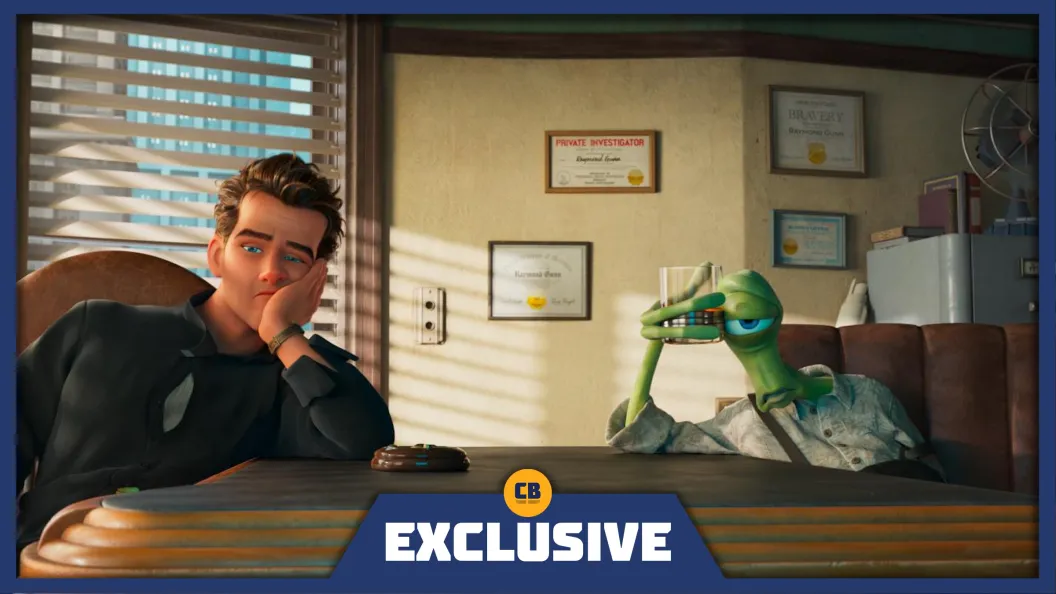
In simple terms, the central question surrounding Ray Gunn is: How has Brad Bird's long-gestating animated film evolved over the decades from its initial conception in the ‘90s? The answer reveals a fascinating journey of adaptation, creativity, and persistent vision. At its core, Ray Gunn retains the same foundational characters and story arc that Bird conceived years ago, yet it has been reshaped by changing cultural contexts and advancements in animation.
Bird's commitment to the narrative is evident as he emphasizes that while the plot remains largely intact, the delivery mechanisms have adapted significantly. This evolution speaks to a broader conversation about how storytelling morphs in response to societal shifts and technological advancements, illustrating not only Bird's growth as a director but also the medium of animation itself.
Bird’s journey with Ray Gunn dates back to an era where the animation landscape was markedly different. Initially conceived during the burgeoning days of computer animation, the project had faced several interruptions, due to his commitments to high-profile projects like The Incredibles and Ratatouille. Through its tumultuous history, Ray Gunn has transformed from a nostalgic concept into a narrative designed to resonate with contemporary audiences.
Before diving into its plot, it’s worth noting that the release of Ray Gunn is being positioned against powerhouse films like Dune 3 and Avengers: Doomsday. This context adds an element of excitement and competition, challenging Bird’s film to carve out its space within a crowded cinematic landscape.
This animated feature follows Raymond Gunn, a private eye navigating the retro-futuristic city of Metropia, a world bustling with both humans and aliens. In this intriguing setting, Gunn is a relic of a bygone era where human detective work is being replaced by machines, adding an existential angst to his character. The conflict becomes a reflection on identity and purpose in a world proficient in technology yet devoid of genuine human experience.
Bird makes it clear that while the plot hasn't undergone a complete overhaul, the ways in which its themes are explored have evolved. For instance, he discusses how meaningful moments within the film have been reframed to enhance their emotional impact. This shift highlights Bird's awareness of the audience's changing expectations and the need for deeper character engagement.
The character of Raymond Gunn, voiced by Sam Rockwell, stands as a symbol of human perseverance amidst technological advancement. His struggle to maintain relevance in a world that increasingly favors automated solutions raises poignant questions about humanity's future. In contrast, other characters, such as Venus Nova, played by Scarlett Johansson, represent the glamor and allure of an alien world, suggesting a dichotomy between superficiality and deeper emotional connections.
Bird has articulated his desire to create a film that is not only entertaining but also provides an emotional tether for the audience. His challenge has been to balance comedic elements with substantive themes—avoiding a superficial approach that doesn't engage viewers on a deeper level. The unique blend of comedy, nostalgia, and existential inquiry within Ray Gunn showcases Bird’s adeptness at storytelling across genres.
As Bird reflects on the film's creative journey, he offers insights into crucial changes made throughout production. For example, he emphasizes that some scenes have been repositioned to provide new contexts for emotional beats, which could maximize their effectiveness. This adaptability underscores the importance of narrative flexibility in filmmaking and aligns with how audiences now crave more nuanced storytelling.
This thoughtful curation of scenes ultimately allows Ray Gunn to deliver an engaging experience that resonates both with long-time fans and new viewers. The film serves as a case study on how animated features can stay relevant amidst evolving cinematic standards and audience expectations.
While details regarding the film's conclusion remain largely under wraps, Bird assures viewers that Ray Gunn's ending mirrors the original vision he harbored in the ‘90s. This consistency serves as a touchstone for those who have followed the project’s protracted development. The resolution is anticipated to encapsulate the thematic preoccupations of identity, relevance, and the enduring human spirit, making it a fulfilling conclusion to Gunn's character arc.
The evolution of Ray Gunn from its initial conception to its impending release serves as a remarkable testament to Brad Bird's creative perseverance and the adaptability of storytelling. As audiences prepare for its release on December 18, they can expect a film that marries humor with introspective themes, equipped to compete in a bustling cinematic environment.
As Ray Gunn draws nearer to its debut, its journey from obscurity to recognition highlights not only the importance of patience in creativity but also the cultural relevance that animation can achieve.
With such legacy projects being brought to life, Ray Gunn stands as relevant not just in its narrative, but in what it reflects about artistic vision and audience engagement in modern cinema. Be on the lookout as this film hits Netflix, and catch up on Bird’s artistry by exploring more works like How Brad Bird's Aborted Spirit Movie Shaped Ray Gunn and the intricate storytelling in The Incredibles.
Movie explanation
EpisodeBreakdown may use automated tools to assist research, drafting, and formatting. Published pages are governed by our editorial and corrections policies, and source links are shown when they are available in the article record.
Discovery source: ComicBook.com. The source identifies where the topic was discovered; EpisodeBreakdown is responsible for the commentary published on this page.
Reader response
Reactions and poll results are based on real reader responses. No account is required.
Explore Michael B. Jordan's fresh take on 'The Thomas Crown Affair,' diving into its central themes and character dynamics ahead of its 2027 release.