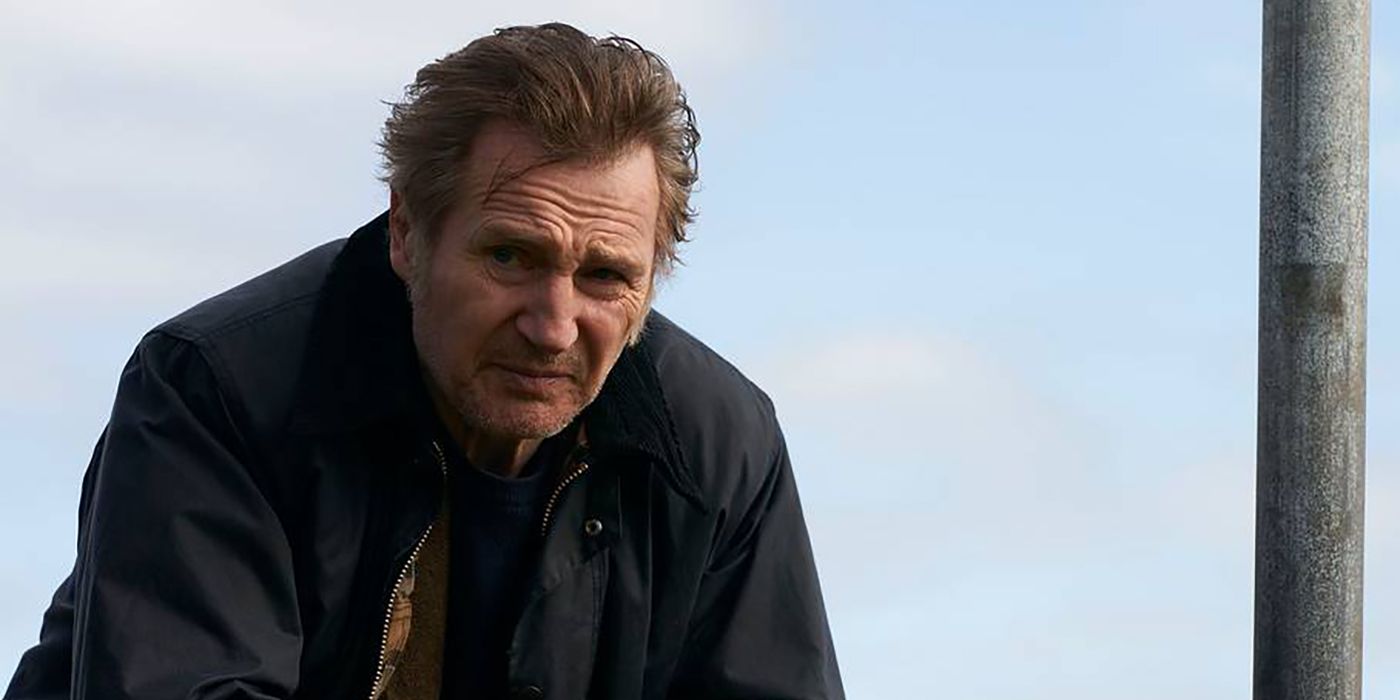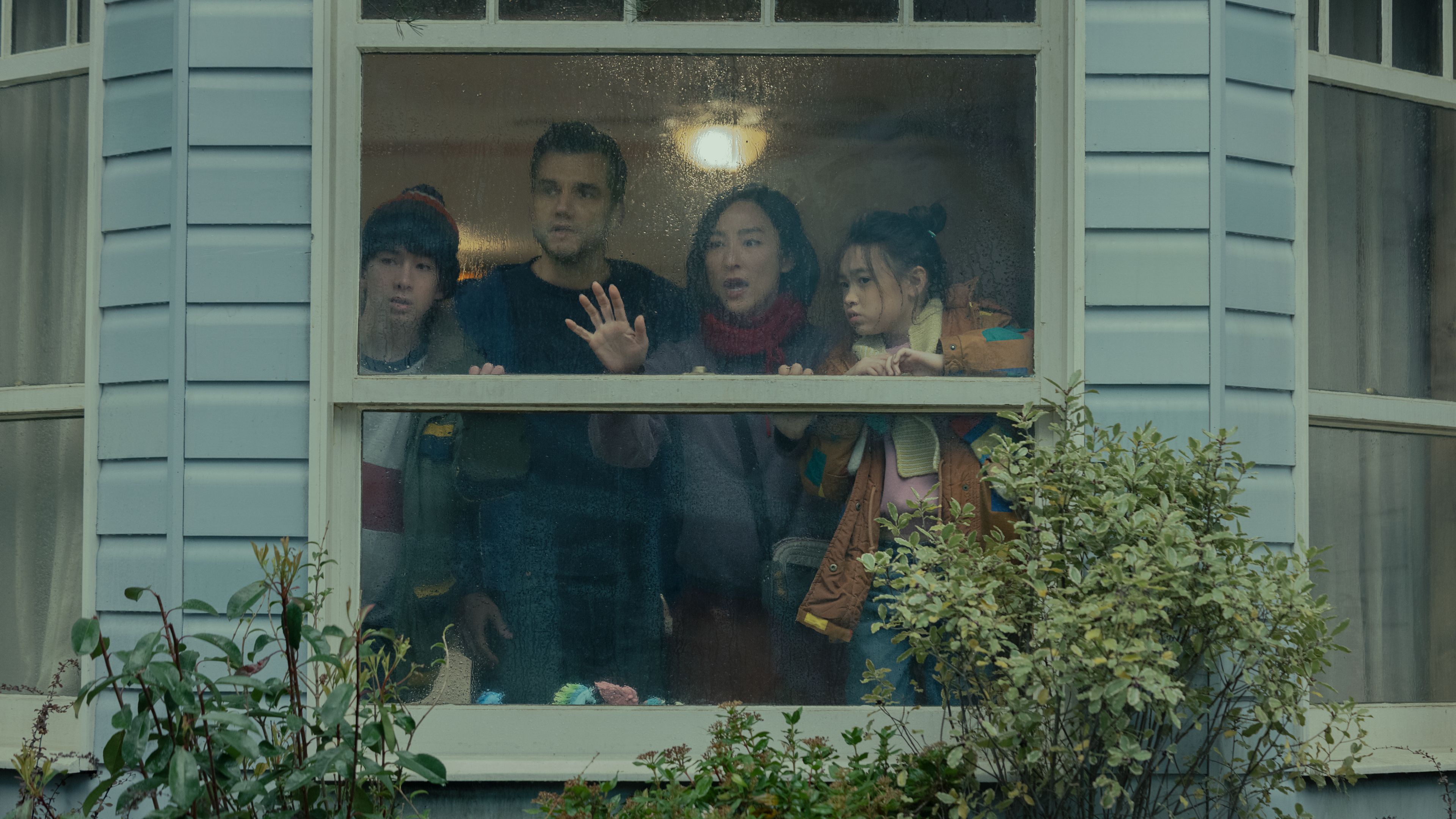
The Last House 2 Chances At Netflix Addressed By Wagner Moura After Shocking Ending
Wagner Moura, the lead in Netflix's *The Last House*, discusses the potential for a sequel after the film's surprising ending.
The spin-off 'Stuart Fails to Save the Universe' uncovers key insights into Stuart Bloom's tragic backstory.
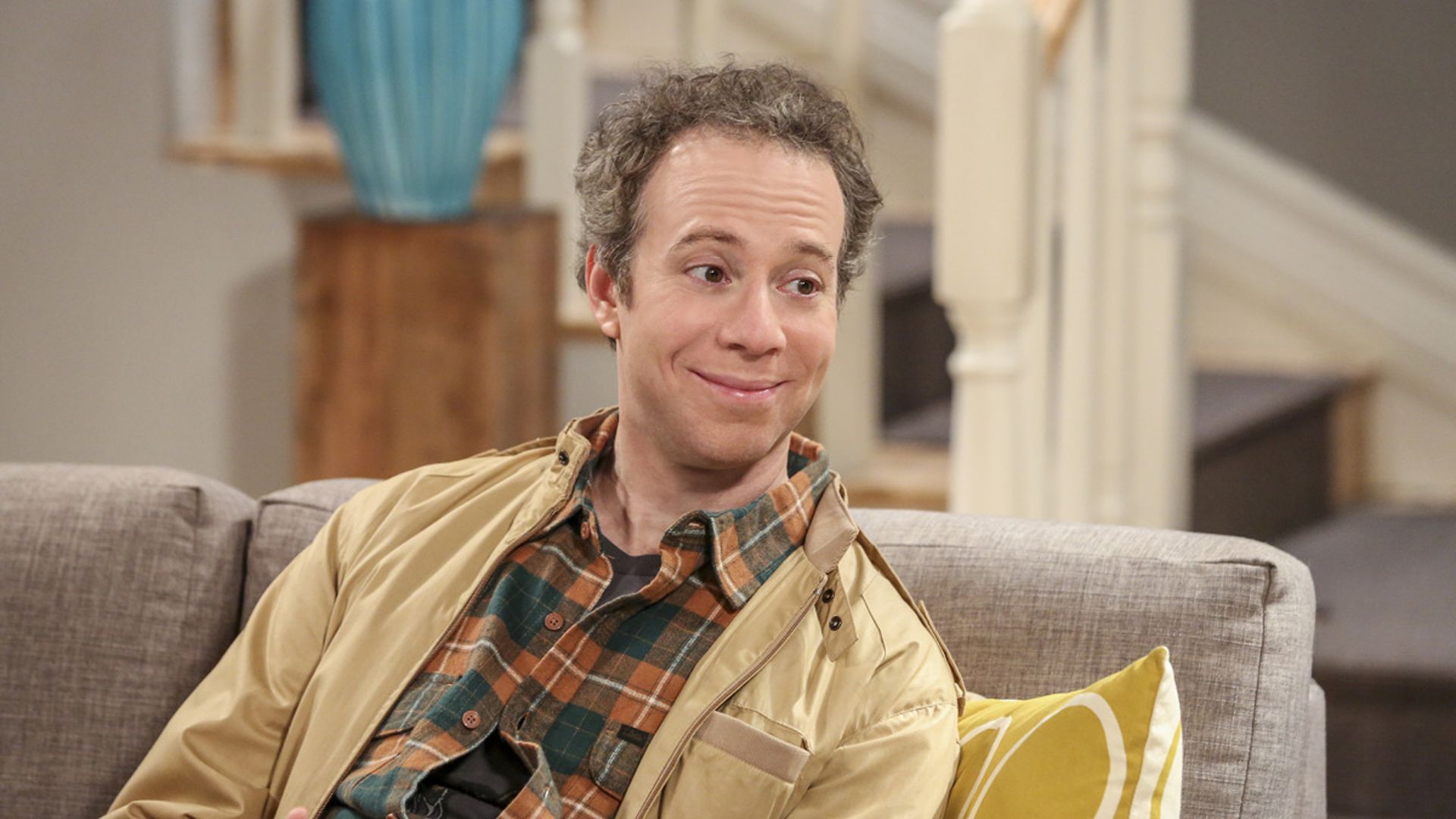
In simple terms, Stuart Fails to Save the Universe delves into the painful backstory of Stuart Bloom, revealing that his life’s heartbreak stems from a troubled family history. The show hints at his mother's struggles with alcoholism during Episode 3, which adds depth to his character and clarifies why he often seems downcast and alone. This exploration invites viewers to understand Stuart beyond his quirky humor, linking his past trauma to his present self.
The central question surrounding Stuart Bloom’s character is why he is often portrayed as a figure of sympathy and sadness. Drawing from a crucial moment in Episode 3, where Stuart comments on his dysfunctional relationship with his mother and his girlfriend Denise, the spin-off suggests that his life choices and emotional struggles are deeply connected to his past experiences. The statement regarding his mother's alcohol problems implies a cycle of trauma that has shaped Stuart's outlook on relationships.
The narrative trajectory shifts significantly during Episode 3, with Stuart stating that he finds Denise attractive partly due to her “little problem with the sauce,” a euphemism for alcoholism. This remark reveals a significant layer of Stuart’s character: his attraction to figures that mirror his own kinship struggles. As viewers, we begin to see how his mother’s issues might manifest in his adult relationships, potentially causing him to gravitate toward partners bearing similar challenges. This revelation prompts the audience to reassess earlier episodes of The Big Bang Theory, where Stuart's loneliness seemed almost comedic but is now tinged with tragic undertones.
What is confirmed: Stuart’s mother appears to have battled alcoholism, which profoundly affects Stuart’s psyche and relationships. His comment about needing to stay in one universe with Denise, despite her dependency issues, reveals his fear of abandonment—a theme consistent throughout his character arc.
What remains unknown: While the spin-off hints at the mother’s struggles, full details about her character or the nature of their relationship are yet to be fully explored. It remains unclear whether Stuart actively distances himself from his family due to historical tensions or if his inability to reach out is stemming from a longstanding emotional barrier. This gap leaves room for interpretation about Stuart’s choices in his familial and romantic life.
Family dynamics significantly shape the themes in Stuart Fails to Save the Universe. Stuart's unresolved issues surrounding his mother depict a poignant commentary on the long-lasting effects of familial dysfunction. The exploration of his relationships—especially with Denise—serves as a haunting parallel to his childhood experiences, suggesting that unresolved familial trauma can lead to a cycle of repeating the past. Furthermore, the notion of resilience is ever-present, as viewers watch Stuart continually attempt to navigate his tumultuous emotions and relationships, showcasing his depth as a character deserving of empathy.
The inclusion of Stuart’s backstory alongside elements of science fiction—including a multiverse—suggests the potential for narrative redemption. By making references to alternative realities, the show teases that Stuart may still find the happiness he seems to seek. While seemingly retconning earlier relationships, the writers may be setting the stage for new beginnings that affirm Stuart's desire for connection and resolution.
As the episode unfolds, it offers hints about how Stuart has always been a product of his environment, reinforcing the culmination of his struggles with identity and family legacy. His choice to cling to Denise, despite her flaws, illustrates a poignant need for connection that defines him. Just as he once helped Mrs. Wolowitz after her accident, the spin-off could suggest that Stuart must come to terms with his past before he can truly move forward. The ending leaves viewers contemplating whether Stuart can break free from this cycle, offering a touch of hope that he might save not only the universe but also himself.
Understanding Stuart's arc may shed light on similar characters within the The Big Bang Theory universe. Characters like Raj and Howard also grapple with family and identity issues, giving audiences valuable perspectives on how familial expectations and relationships shape individual lives. For additional context, reviewing Cujo might highlight similar themes of trauma and resilience in facing personal demons.
The revelations in Stuart Fails to Save the Universe are significant for both character development and thematic exploration. By diving into Stuart's troubled past, the spin-off enriches our understanding of him, transforming him from a mere comedic foil into a fully realized individual battling personal demons. This narrative depth not only expands Stuart's character but also speaks to broader themes of familial impact, emotional scars, and the quest for self-acceptance, potentially changing how we perceive the beloved character moving forward. As the series continues, viewers will likely keep an eye on how these themes evolve, hoping for a more profound resolution to Stuart's lifelong struggles.
For further exploration of these themes, check our pieces on No Way Home: Unraveling the Truth Behind Ancient Lies and Exploring the Tension and Themes of 'Cujo'.
Movie explanation
EpisodeBreakdown may use automated tools to assist research, drafting, and formatting. Published pages are governed by our editorial and corrections policies, and source links are shown when they are available in the article record.
Discovery source: MovieWeb. The source identifies where the topic was discovered; EpisodeBreakdown is responsible for the commentary published on this page.
Reader response
Reactions and poll results are based on real reader responses. No account is required.