Exploring the Untold History of The Current War
Uncovering the complexities behind the historical drama 'The Current War' starring Tom Holland and Benedict Cumberbatch.
An analysis of why 'The Amazing Spider-Man 2' stands out as a superior sequel, diving into its story, characters, and overall impact.
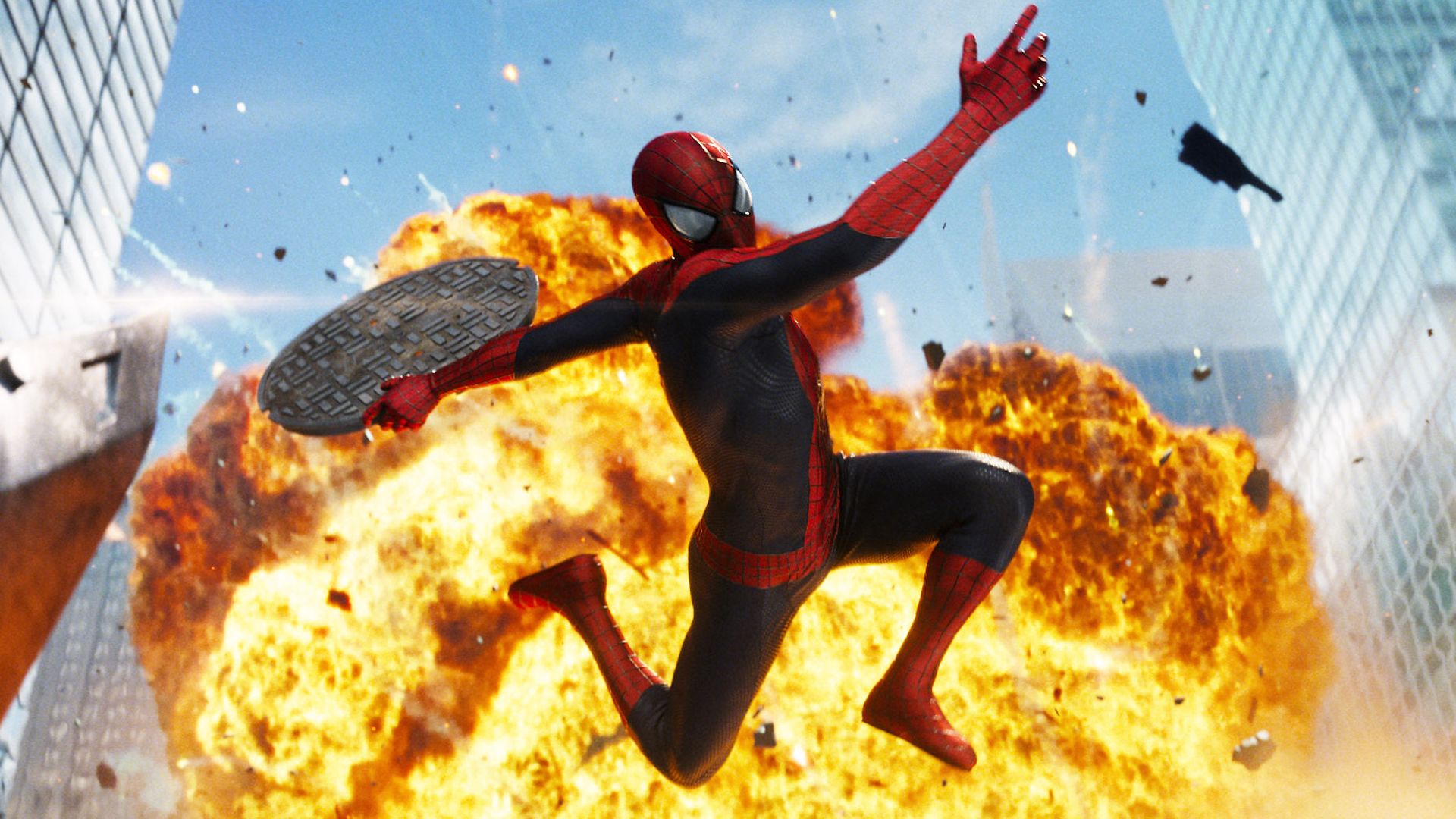
In the ever-evolving landscape of superhero films, few franchises have sparked as much debate as Spider-Man. With numerous iterations and reboots, audiences often find themselves divided. While many fans have critiqued 'The Amazing Spider-Man 2' for its tone and execution, a closer examination reveals that this sequel may indeed surpass its predecessor. This article delves into the elements that make 'The Amazing Spider-Man 2' a more compelling cinematic experience, exploring its story arc, character development, and what it means for the future of Spider-Man in film.
Released as the follow-up to the 2012 reboot 'The Amazing Spider-Man', this sequel introduces a fresh array of challenges for our beloved hero, Peter Parker. The film expands on Peter's dual life as a high school student and a superhero while grappling with his past and future relationships. Critical reception has often leaned toward skepticism, yet emerging discussions suggest it may be time to reevaluate its position within the Spider-Man legacy.
'In The Amazing Spider-Man 2', Peter Parker, brilliantly played by Andrew Garfield, continues to navigate the complexities of his dual life. The film opens with a high-octane action sequence showcasing Spider-Man thwarting an armed robbery. This sets the stage for a narrative that is not merely about the battles against villains but also about personal growth, love, and loss.
As Peter delves deeper into his superhero responsibilities, he becomes entangled with the enigmatic figure of Max Dillon (Jamie Foxx), who eventually becomes the villain Electro. The film also explores Peter's relationship with Gwen Stacy (Emma Stone), further enriching its thematic fabric with the challenges of love in the shadow of danger. The movie’s exploration of Peter's relationship with his parents—particularly his father—adds layers to the overarching narrative, allowing the audience to see the emotional stakes at play.
Together, these characters create a rich tapestry of interpersonal relationships and conflict, setting the film apart from the more straightforward hero-villain confrontations common in the superhero genre.
The film's climax encapsulates much of its emotional resonance. As Peter confronts both Electro and the emergence of the Green Goblin, he faces heart-wrenching decisions that test his commitment to his loved ones and his responsibilities as Spider-Man. This culminates in a tragic ending that serves as a turning point for Peter's character development. Without giving too much away, this emotional payoff is not only shocking but also serves as a narrative device to explore themes of sacrifice, courage, and redemption.
Although public reception was mixed upon the film’s release, discussions regarding Spider-Man's future in the Marvel Cinematic Universe (MCU) have reinvigorated interest in understanding how 'The Amazing Spider-Man 2' fits into the larger narrative of the superhero genre. Given its exploration of complex themes and character dynamics, there's potential for a nuanced future for Spider-Man characters. The ongoing engagement with the multiverse concept in recent MCU offerings could pave the way for a revival of Andrew Garfield’s portrayal in a new narrative context.
This raises speculation about possible collaborations or intersections with other characters from the Spider-Verse, leading to exciting future storytelling possibilities that could simultaneously pay homage to the past while creating innovative new arcs. Fans eagerly discussing these potential plotlines might just revisit 'The Amazing Spider-Man 2' with a newfound appreciation for its foundational impact on the character's journey.
In recent years, there's been a noteworthy trend of reevaluating older films within established franchises, particularly through the lens of nostalgia and evolving cultural conversations. The debate over 'The Amazing Spider-Man 2' has been reignited by various influencers and fan-led discussions on social media platforms, bringing attention to its artistic merits that were once overshadowed by critical reviews.
Moreover, as the Spider-Man franchise continues to grow with new adaptations and cinematic crossovers, the impact of previous films on this legacy becomes increasingly relevant. Fans of superhero cinema often seek to dissect and better understand each iteration, fostering a narrative that keeps discussions about 'The Amazing Spider-Man 2' alive.
In conclusion, while 'The Amazing Spider-Man 2' may not have initially received the accolades it deserved, a deeper exploration of its narrative, character arcs, and emotional stakes highlights its potential superiority over the original film. As the superhero genre continues to expand, films like this serve as important touchpoints, reminding audiences of the complexities and challenges faced by heroes who are all too human. With renewed interest surrounding Spider-Man in popular culture, now is the perfect time to revisit this sequel and consider its place within the broader context of the Spider-Man saga. The discussions around these films promise to keep the legacy of Spider-Man evolving for years to come.
Movie explanation
EpisodeBreakdown may use automated tools to assist research, drafting, and formatting. Published pages are governed by our editorial and corrections policies, and source links are shown when they are available in the article record.
Discovery source: CBR Movies. The source identifies where the topic was discovered; EpisodeBreakdown is responsible for the commentary published on this page.
Reader response
Reactions and poll results are based on real reader responses. No account is required.