Analyzing Catherine's Duality in Hulu's Furious
Explore Catherine's complex portrayal in Hulu's Furious and examine themes of victimhood and vigilante justice.
Explore the enduring legacy and themes of iconic 80s horror films in the new 4K collection.
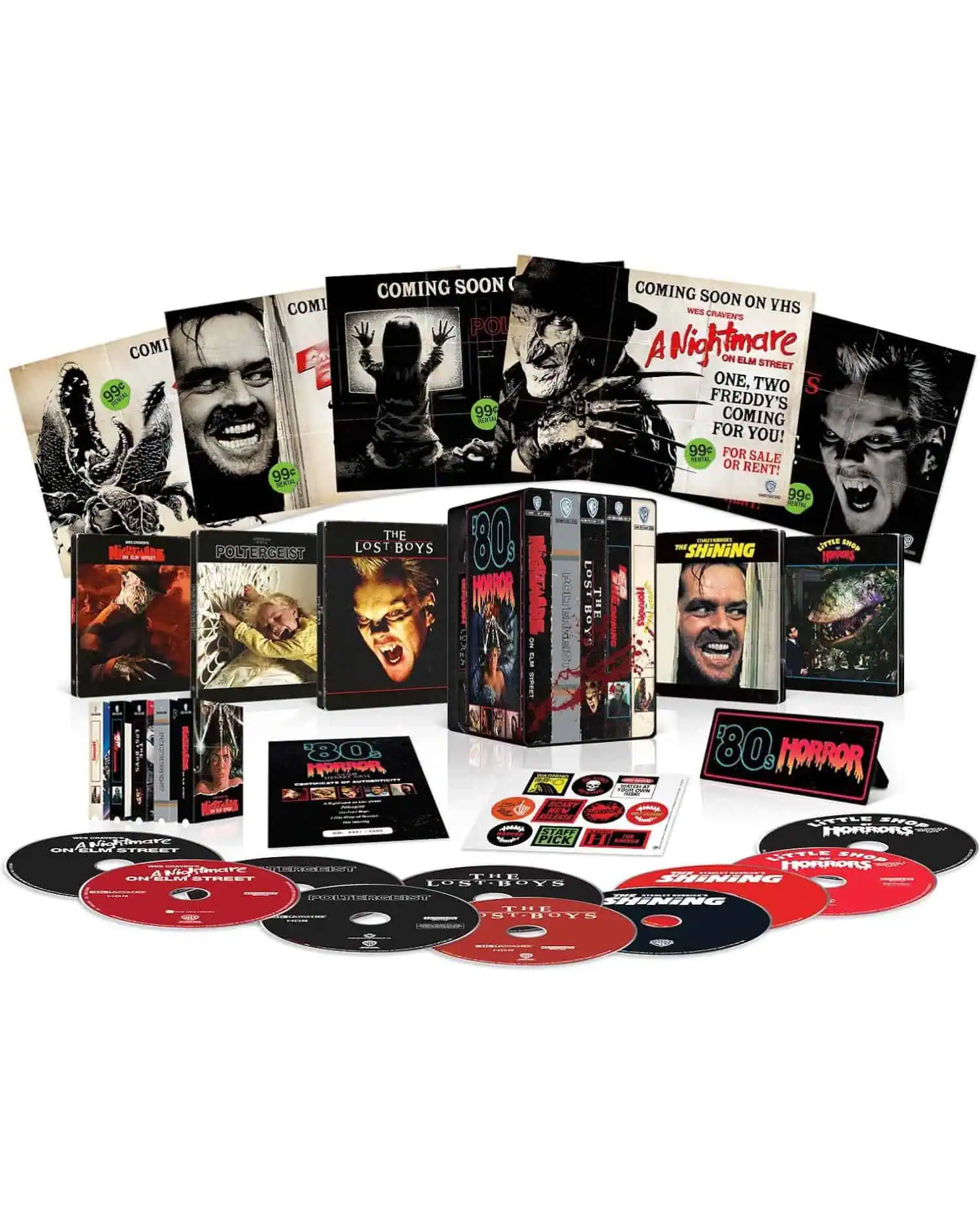
In simple terms, the latest 4K SteelBook collection shines a spotlight on classic horror films from the 1980s, featuring beloved titles such as A Nightmare on Elm Street, The Lost Boys, The Shining, Poltergeist, and Little Shop of Horrors. Each of these films has secured its place in cinematic history, not only for their frightful narratives and innovative direction but also for the deeper themes and character complexities woven into their stories.
One central question emerges: Why do these 80s horror films continue to resonate with audiences today? The answer lies in their ability to challenge societal norms while exposing the fears and anxieties of their time. Each film within this collection captures a unique blend of horror and social commentary, positioning them as more than mere entertainment.
Freddy Krueger, the terrifying figure in A Nightmare on Elm Street, serves as a metaphor for the fears of adolescent sexuality and the loss of innocence. As a manifestation of nightmares, Freddy strikes when his victims are most vulnerable—sleeping. This choice underscores the universal anxieties surrounding adolescence. The theme of dreams versus reality continues to captivate audiences, further enhanced by the film's surreal visuals and haunting score.
In The Lost Boys, the film shifts vampire lore into a contemporary setting, reflecting the tensions of youthful rebellion and the search for identity. The juxtaposition of the free-spirited lifestyle of the vampires against the mundane existence of the small-town residents offers viewers a critique of suburban life. The film’s blend of humor and horror provides a fresh take on the vampire genre while touching on issues of belonging and the struggle against conformity.
In The Shining, director Stanley Kubrick transforms a seemingly deserted hotel into a symbol of isolation and madness. The film explores themes of violence and the psychological breakdown of the family unit. Through Jack Torrance’s descent into madness, Kubrick examines not only the fragility of sanity but also the haunting nature of past traumas. The Overlook Hotel itself becomes a character, encapsulating the inescapable weight of history and personal demons. This is a stark reminder that the horrors of the mind can often be more debilitating than those faced in the physical realm.
Poltergeist explores the thin veil between the living and the supernatural, dramatizing parental anxieties in the process. The film raises significant questions about consumerism and the disruption caused by technology, as the Freeling family experiences terrifying hauntings linked to their suburban lifestyle. The film’s portrayal of ghosts as a reaction against the destructive nature of modernity makes it relevant even today, appealing to audiences who grapple with similar fears in our technologically driven society.
Little Shop of Horrors introduces an element of dark comedy, diverging from conventional horror tropes. The film centers on the themes of ambition and moral compromise, illustrated through Seymour's relationship with his man-eating plant, Audrey II. This angle provides a satirical look at the consequences of unchecked ambition and desire. It stands apart from its horror counterparts by blending humor and a lovable protagonist, reshaping the viewer's understanding of what horror can encompass.
While analyzing the films in this collection, it’s essential to consider their endings and how they encapsulate earlier themes. Each film concludes with revelations that highlight the consequences of the characters’ choices. For example, in A Nightmare on Elm Street, the cyclical nature of fear is established through the unresolved fate of its protagonist. This speaks to the ongoing battle against one’s personal demons, resonating across several narratives. Similarly, The Lost Boys and The Shining impart lessons about the costs of embracing darker impulses, urging viewers to reflect on the ramifications of their actions long after the credits roll.
What remains unknown is how these iconic films will continue to influence the horror genre as newer narratives emerge. Will the fears encapsulated in these films evolve or morph into different forms to reflect contemporary anxieties?
For fans of horror, there are numerous connections among these films, whether it be the exploration of identity in The Lost Boys or the psychological horror of Kubrick's The Shining. For deeper dives into character choices, one can look to contemporary analyses of how these archetypes continue to evolve in modern cinema and literature, including explorations in related pieces like the gothic horror mystery of RUNT and the thematic depth found in various horror narratives.
As the horror genre continues to evolve, it is likely that the influence of these 80s classics will persist, shaping new narratives while also providing a nostalgic lens for audiences. The new 4K collection celebrates these legendary films, ensuring that their impact is not only preserved but also shared with future generations. The marriage of nostalgia and innovation in horror will keep these themes alive, inspiring future filmmakers to tell their versions of these timeless tales.
Movie explanation
EpisodeBreakdown may use automated tools to assist research, drafting, and formatting. Published pages are governed by our editorial and corrections policies, and source links are shown when they are available in the article record.
Discovery source: JoBlo. The source identifies where the topic was discovered; EpisodeBreakdown is responsible for the commentary published on this page.
Reader response
Reactions and poll results are based on real reader responses. No account is required.