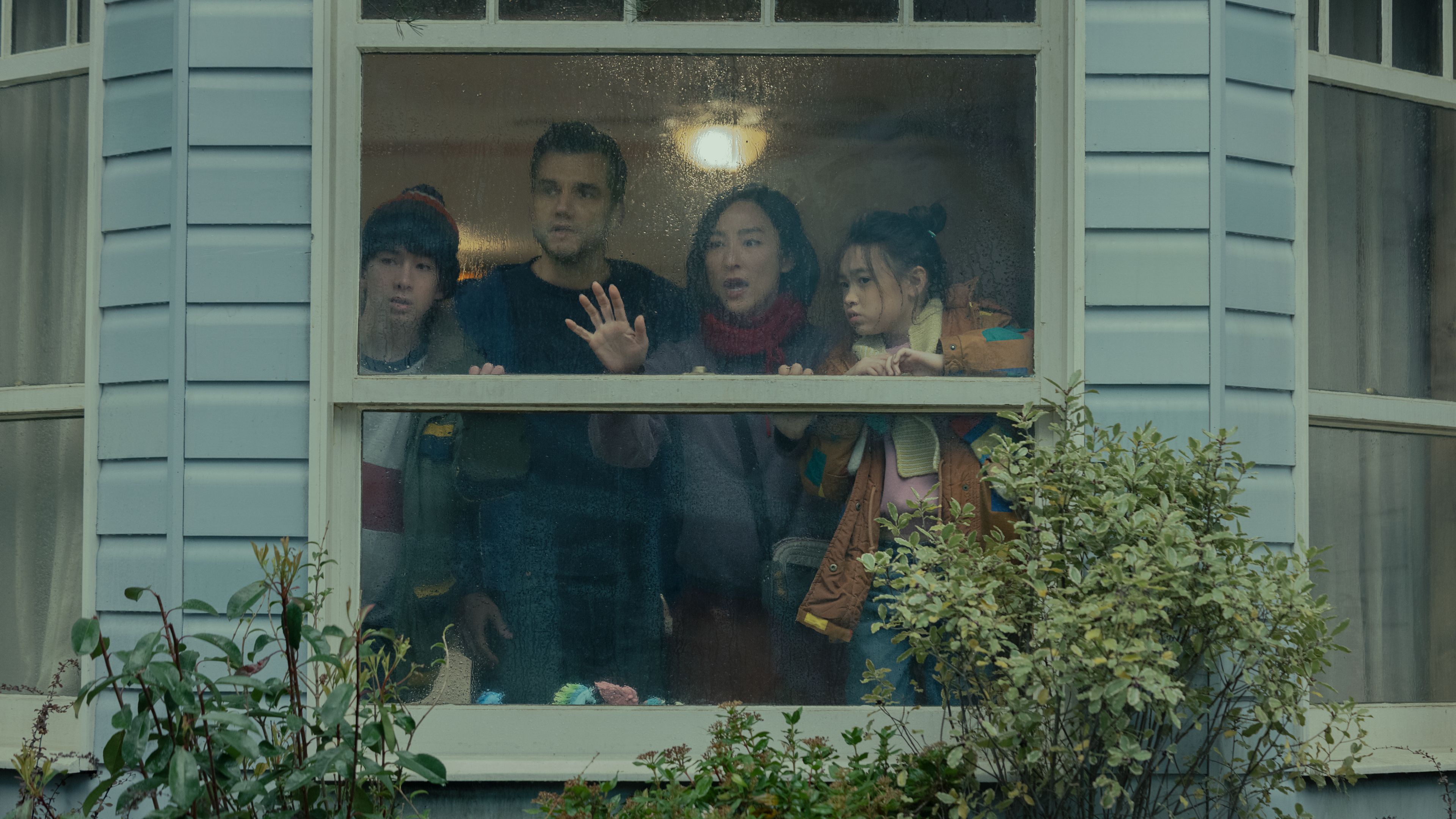
The Last House 2 Chances At Netflix Addressed By Wagner Moura After Shocking Ending
Wagner Moura, the lead in Netflix's *The Last House*, discusses the potential for a sequel after the film's surprising ending.
Disney+ is contemplating significant changes to its streaming service, including a possible free tier, to enhance brand exposure and compete effectively.
In simple terms, Disney+ is currently considering the introduction of a free, ad-supported streaming tier to boost its brand exposure and compete in an increasingly crowded marketplace. This development comes amid significant setbacks and a strategic pivot as the media giant navigates the evolving streaming landscape.
The central question at hand is whether Disney's proposed changes will enhance its competitive edge in the streaming wars. As other platforms like Netflix and Hulu continue to adapt and grow, Disney is exploring new avenues that could attract a wider audience, particularly through a free tier similar to that of platforms like Pluto TV and Tubi. This approach could potentially draw in users who may be unwilling to pay for multiple subscriptions but still wish to access Disney's extensive catalog of films and shows.
A pivotal aspect of Disney's strategy revolves around the rise of FAST (free ad-supported streaming TV) platforms, which have seen substantial growth over recent years. The popularity of these free services, often available in a majority of households that also subscribe to premium platforms, indicates a shifting consumer preference towards accessible content. The confirmed trends suggest that free tiers can not only increase exposure but also potentially serve as a gateway for viewers to eventually convert into paying subscribers.
Moreover, Disney’s CFO, Hugh Johnston, has articulated the company's commitment to increasing content spending, signaling a robust strategy to expand their library and bolster original content. Confirmed reports indicate that Disney plans to invest approximately $24 billion in content in 2026, a slight increase from the prior year. This dedication to developing new shows and films positions Disney favorably against its competitors, as high-quality content has been a key driver for subscriber retention and growth.
In analyzing Disney’s recent financial maneuvers, it’s essential to recognize that the company has also been engaging in significant cost-cutting measures, including job reductions and the sale of investments, such as a $1.2 billion divestment from A&E. Such decisions reflect a proactive effort to streamline operations and focus resources on areas that promise growth, such as international expansion and increased content offerings.
Johnston has been clear about pushing for improved productivity and efficiency, confirming ongoing efforts to refine the company's operational structure. Disney’s multifaceted approach demonstrates a nuanced understanding of the current market landscape and the need to remain agile amidst industry fluctuations.
Disney's exploration of partnerships further indicates a strategic pivot towards maximizing viewer engagement. Reports hint at a potential collaboration with TikTok, aiming to explore innovative content distribution avenues and reach younger audiences who spend considerable time on social media platforms. This proactive outreach not only enhances brand visibility but also aligns with consumer trends that favor interactive and bite-sized content.
With Netflix also dabbling with creators and podcast formats, Disney's move towards integrating social media partnerships signifies a trend towards convergence in storytelling and viewer interaction. The continual expansion of Disney's partnership portfolio could further diversify its content offerings, providing fans with fresh experiences rooted in beloved franchises, even as the market shifts.
While the introduction of a free tier may attract a larger audience, it does raise questions about the user experience—primarily the potential for commercial interruptions. For many subscribers who value uninterrupted viewing, free streaming could represent a double-edged sword. This conflict poses a challenge for Disney, as the company must balance accessibility with maintaining a premium viewing experience that its paying customers expect.
Disney must navigate this landscape carefully, ensuring that while they broaden their audience base, they also fulfill the existing expectations of their subscribers regarding content quality and viewing experience.
What remains to be seen is how Disney will source and produce new content to fill this proposed free tier. The evolution of the streaming market necessitates a continual influx of innovative programming, and Disney is keenly aware that a diverse library can sway viewers towards their platform. The promising performances of recent films like Toy Story 5 and sequels like The Devil Wears Prada 2 highlight Disney's capability to generate appealing content that resonates with a broad audience.
By ensuring that the free tier is stocked with engaging, high-quality offerings, Disney can create a sticky product that not only attracts first-time users but also encourages them to upgrade to paid plans for complete access.
Disney's current actions also come in the wake of high competition among major streaming services. Companies are continually shifting strategies to capture viewer attention, a vital aspect of sustaining subscription growth and overall revenue. This competitive landscape is particularly evident as consumers are increasingly selective about where they invest their entertainment dollars.
Disney's rays of optimism amid recent box office flops suggest confidence in its brand strength and content library. This indicates that despite challenges, the company is poised for possible resurgence as it adapts to meet consumer needs and preferences.
Looking ahead, Disney’s willingness to explore a free tier could serve as a significant turning point in its strategy to compete effectively in the streaming wars. With confirmed plans for expanded partnerships, increased content creation, and a focus on user engagement, Disney appears well-equipped to adapt to the changing dynamics of the entertainment landscape. The ultimate success of these strategies will depend on how well Disney balances accessibility and quality in its offerings.
For more insights, consider exploring Disney Acknowledges Summer Box Office Flops Yet Remains Optimistic and Exploring the Impacts of The Mandalorian & Grogu's Box Office Failure.
In conclusion, Disney's exploration of a free streaming tier signifies not just a reactive move but a proactive step towards enhancing brand exposure and maintaining competitiveness. As the streaming landscape continues to evolve, Disney's efforts to broaden its reach and invest in diverse content reflect a commitment to its legacy of storytelling while adapting to modern consumer preferences. The coming months will be critical as the company unveils its updated offerings and seeks to redefine its position within the crowded streaming arena.
Entertainment news
EpisodeBreakdown may use automated tools to assist research, drafting, and formatting. Published pages are governed by our editorial and corrections policies, and source links are shown when they are available in the article record.
Discovery source: MovieWeb. The source identifies where the topic was discovered; EpisodeBreakdown is responsible for the commentary published on this page.
Reader response
Reactions and poll results are based on real reader responses. No account is required.