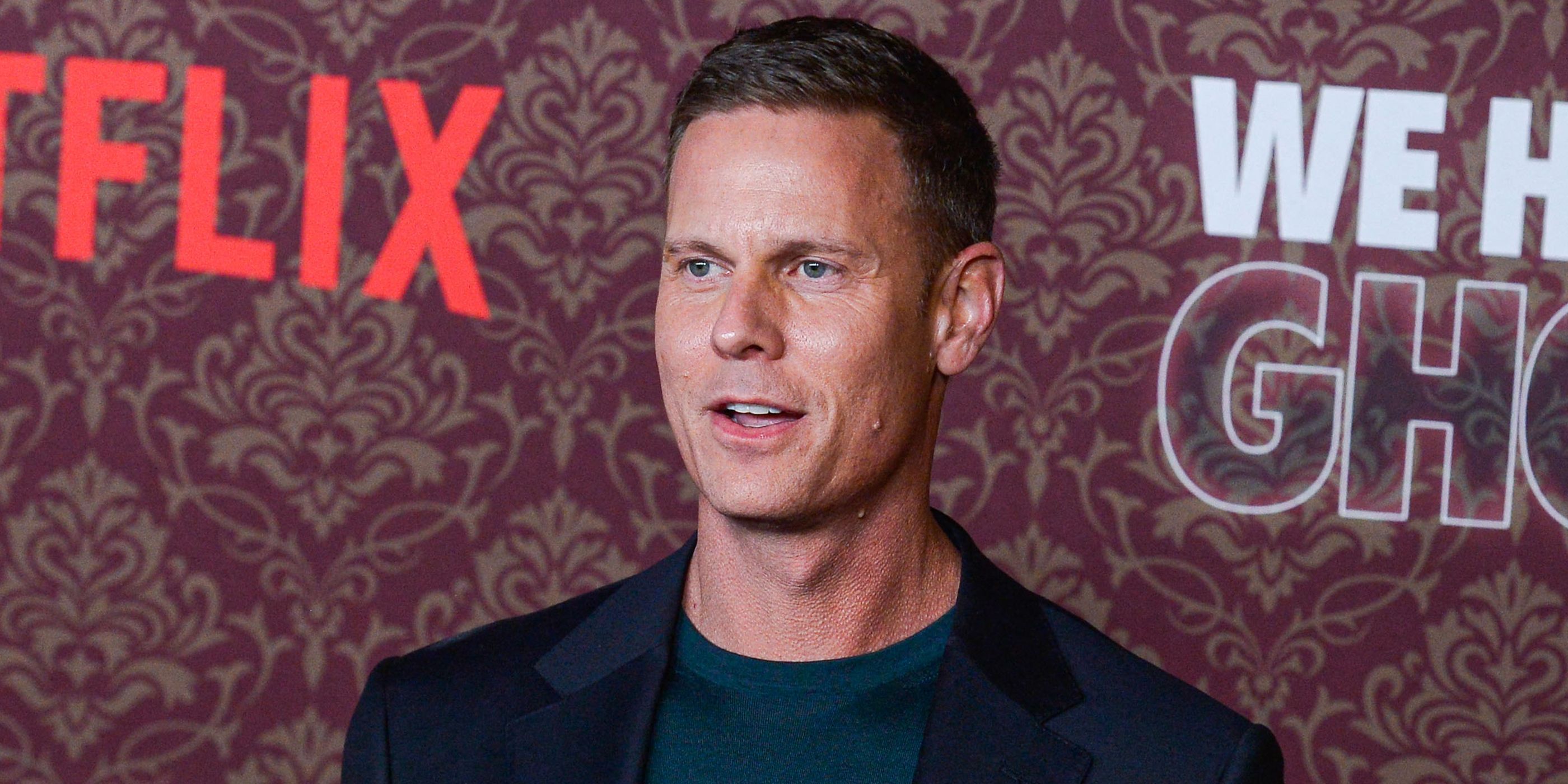
The End of Tom Six: A Final Artistic Statement
Tom Six's last film explores profound themes of existence and artistic freedom after personal and health struggles.
An analysis of Kirk's foreboding warning in Star Trek: Strange New Worlds reveals deeper themes and connections to the franchise's legacy.
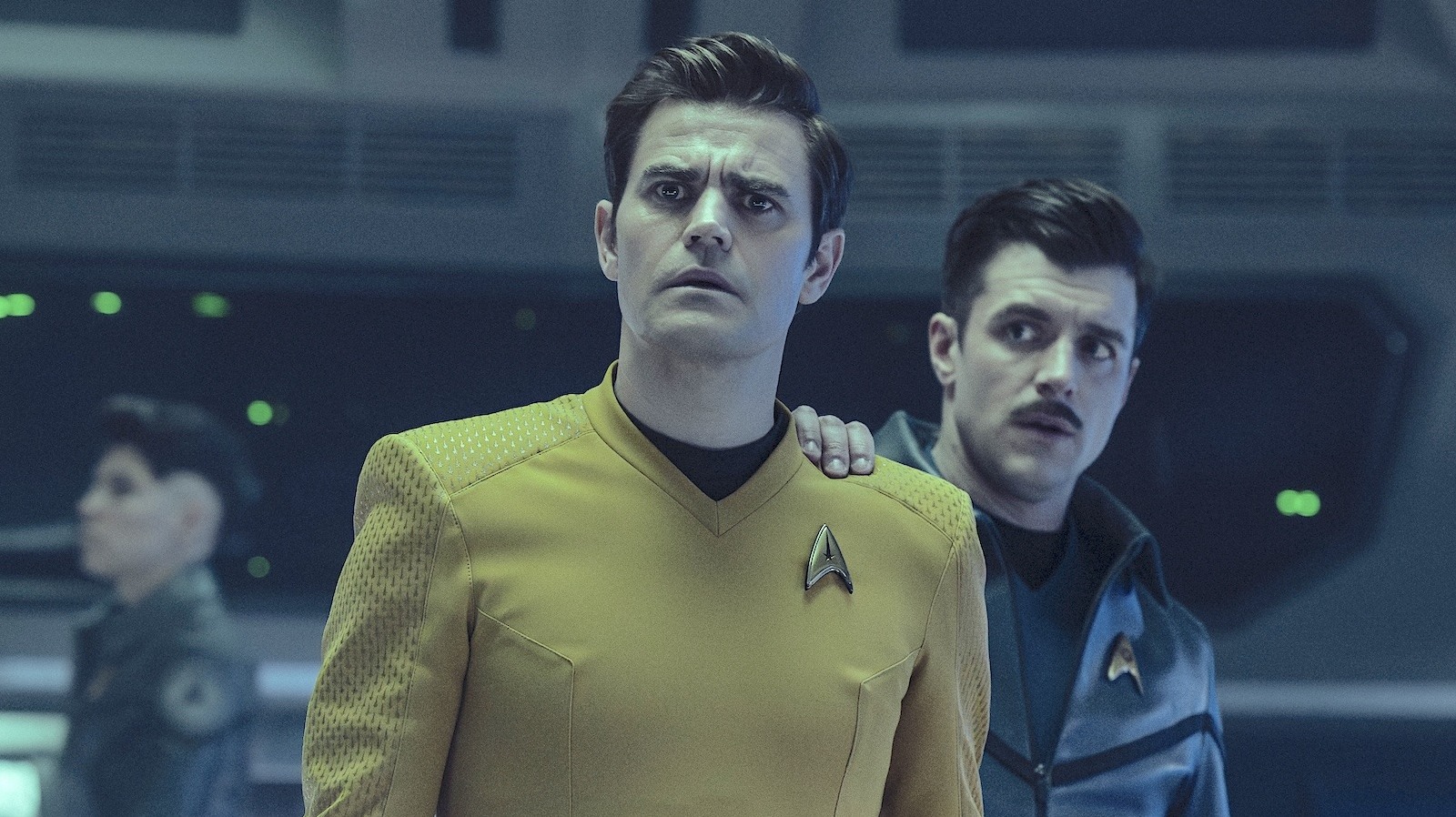
In simple terms, the latest episode of Star Trek: Strange New Worlds introduces a dramatic and dire prophecy for Captain James T. Kirk's son, David Marcus, hinting at a tragic fate that is both ominous and hauntingly connected to the original franchise lore.
What happened is that Kirk receives a terrifying warning that his son will meet a grim end similar to his own storied challenges against death. This foreshadowing serves as a stark reminder of the tension that exists within the Star Trek universe, particularly relating to the implications of legacy and familial ties. The manner in which this message is delivered is crucial to understanding the episode's deeper themes.
The narrative begins aboard the Griffin, a ghostly derelict starship that has become a shadow of its former self. Here, Kirk, along with Spock and La'an, experiences a series of chilling visions that evoke the tormented spirits of the ship's lost crew. The atmosphere is not just about escaping monsters but about confronting the demons of their pasts, layered with symbolism about isolation and loss.
The ship transforms into a maze of horror, with Spock enduring a shocking physical assault, emblematic of how the episode plays with the notion of character vulnerability. La'an, too, struggles as she is afflicted by visions that push her to act dangerously, culminating in a moment where she injures Kirk. These incidents not only drive the horror aspect but also reflect a deeper thematic undercurrent regarding the psychological scars left by past battles.
The pivot of the episode arises when La'an delivers a prophecy to Kirk, stating, “your little boy is going to die just like you: at the end of a blade, bleeding out in a dark corner of space.” This moment stands as a critical emotional juncture within the story. La'an’s state, having succumbed to a form of madness, imbues her warning with a tragic weight that carries a stark resonance for Kirk, who earlier reflects on his newborn son, David.
This direct link to the tragic fate of Kirk's son David Marcus from Star Trek III: The Search for Spock is a powerful narrative device that ties the past and the future. David’s violent death at the hands of Klingons foreshadows the future Kirk now dreads. This thematic exploration of fate and foreboding informs viewers not just of the personal stakes for Kirk, but reveals how legacies can haunt individuals and families through generations.
David Marcus, first introduced in Star Trek II: The Wrath of Khan, is a character laden with developments that have prominent repercussions. Created by Kirk's former love, Carol Marcus, David represents both hope and loss. His journey as a scientist alongside Project Genesis encapsulates the struggle between the creation of life and the fragility of existence.
In the original films, Kirk’s estrangement from David adds layers of tension to their relationship. This backstory is essential to understanding why La'an’s warnings resonate so deeply. As fans reflect upon David's death in Star Trek III, the episode serves to remind us of the cyclical nature of violence and loss and how future generations grapple with the burdens placed upon them by their predecessors.
While Kirk may dismiss La'an’s warning as mere madness, it is essential to recognize the cumulative weight of such prophecies within the Star Trek narrative structure. Prophecies in the franchise often serve as a foreshadowing mechanism, layering tragedy with purpose. The interaction between fate and free will becomes ever more poignant as Kirk might find himself implicated in the very tragedy he wishes to avoid.
Given how Kirk has had to fight and overcome obstacles throughout his career, the impending threat to David serves not only as a personal crisis but also as a potential reflection of Kirk’s own mortality and the violent nature of his life. The question emerges: can Kirk alter this fate, or is he merely trapped in a cycle of doomed legacies?
The distinct connections to classic Star Trek films enhance the significance of the story arc. The consistent thematic exploration of sacrifice, loss, and destiny have been cornerstones of the franchise. Each character’s encounter with past ghosts serves as a reminder of unresolved narratives that span the series’ cherished timeline.
This episode ultimately pushes forward a narrative thread that will resonate with fans who have followed Kirk's story over decades, thus reinforcing the notion that every decision in the Star Trek universe holds weight. With this episode, not only do we see how Kirk’s past impacts his future, but we also get a closer glimpse of how those legacies ripple through time.
The implications of La'an's prophecy hover ominously over the narrative as Kirk grapples with his son's uncertain fate. Fans must ponder whether Kirk will take measures to protect David from the supposedly dark future that awaits him. Given Star Trek's history of confronting difficult themes, protective instincts and personal sacrifices might emerge as the guiding narrative moving forward.
This exploration of familial bonds and prophetic narratives builds anticipation for how Kirk's choices might avoid a tragic legacy, thus leaving a lasting mark on the Star Trek universe. The connections drawn between past and present will likely cultivate a rich ground for both storytelling and character development in future episodes.
The message La'an delivers is haunting, foreshadowing not just a potential tragedy for Kirk but also prompting a deeper exploration of the themes of loss, prophecy, and family within the Star Trek universe. It invites viewers to reflect on how legacies influence the course of life, and raises questions about the paths characters must navigate as they confront their destinies. The legacy of David Marcus is not only a narrative point of pain for Kirk but a reminder that the echoes of the past can shape and direct future choices in unpredictable ways.
Amidst the spectral challenges on the Griffin and the spectral warnings, viewers are left to contemplate the spectrum of hope and despair that defines the balance between destiny and free will within the Star Trek canon. As we await what may come next, we are reminded that each story within this beloved universe is part of a greater continuum where the past informs the future in profound ways.
Movie explanation
EpisodeBreakdown may use automated tools to assist research, drafting, and formatting. Published pages are governed by our editorial and corrections policies, and source links are shown when they are available in the article record.
Discovery source: TVLine. The source identifies where the topic was discovered; EpisodeBreakdown is responsible for the commentary published on this page.
Reader response
Reactions and poll results are based on real reader responses. No account is required.